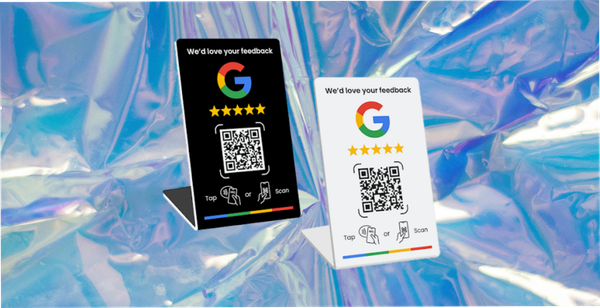
Google Forms Alternative: Free, Branded, and Ends in a Wallet Pass
Google Forms collects answers and ends at a confirmation screen. The alternatives mostly do the same thing with nicer fonts. Here is the one that ends differently.
Google Forms collects answers and ends at a confirmation screen. The alternatives mostly do the same thing with nicer fonts. Here is the one that ends differently.
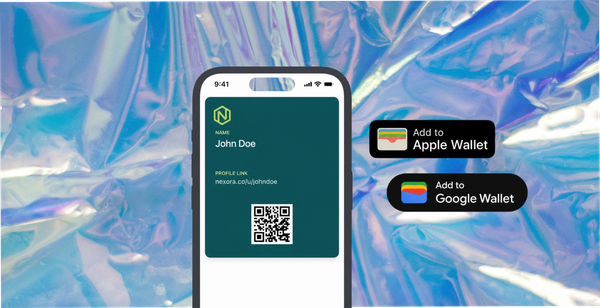
A reward card gives somebody a reason to come back once. A contact card keeps you on their phone indefinitely. The two are not interchangeable.

Most advice on lead capture forms is about shortening them. Length matters less than the trade, and the trade is what almost nobody designs.
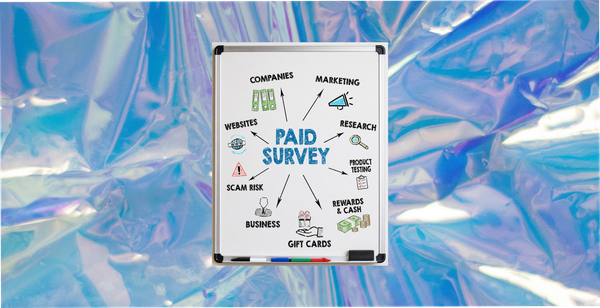
An incentive raises your response rate and changes who responds. Both are true, and the second one is the part worth designing around.

Jotform is a deep, capable form builder. Most alternatives compete on price and field types. Here is the one that competes on what happens next.
Every free review QR code leaves you a review and no way to contact the person who wrote it. There is a lower-risk way to get both.
Collecting the content is the easy part. Knowing which channels you may run it in, for how long, is where most libraries quietly become unusable.
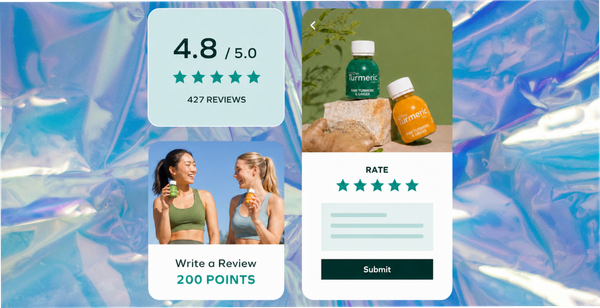
The line is not whether you rewarded the review. It is whether the reward depended on what the review said. Most coverage blurs the two.
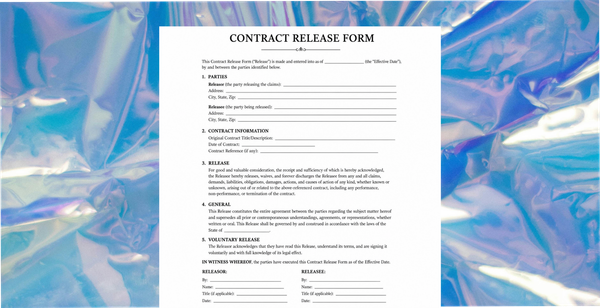
Sometimes you need one, sometimes you do not, and it depends on who took the photograph and who is in it. Plus the part a signed document does not solve.

Fifty prompts, the rules that keep it moving, and the part most guides skip: how to get the photos back once everyone has gone home.

Hiding twenty codes around a building is a day of work and a single point of failure. One code and twenty prompts does the same job, and the submissions come back attributed.

The two formats get used interchangeably and they are not the same thing. One needs a place and a date. The other needs neither, and most businesses asking for a hunt actually want it.
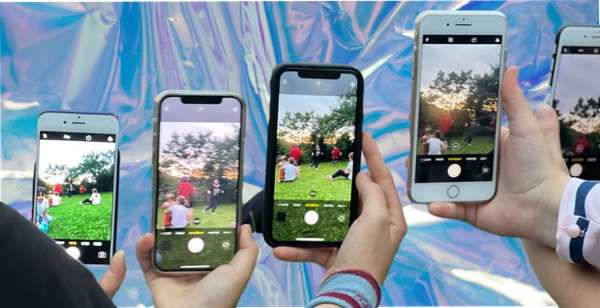
Customer Engagement
Thirty prompts, the rules that stop it dragging, versions for remote and hybrid teams, and the part that decides whether anyone remembers it next quarter.

cgc
Most photo challenge prompts are written for the brand, not the customer. Forty that work, grouped by business type, with four venue campaigns set out in full.

paid-ads
Meta, Google and TikTok each run a different AI disclosure regime in 2026. A creative that is compliant on one is not automatically compliant on the next.

ecommerce
California's AI Transparency Act became operative on 2 August 2026, the same day as EU AI Act Article 50. It does not regulate brands, but it changes what your AI images carry.
ecommerce
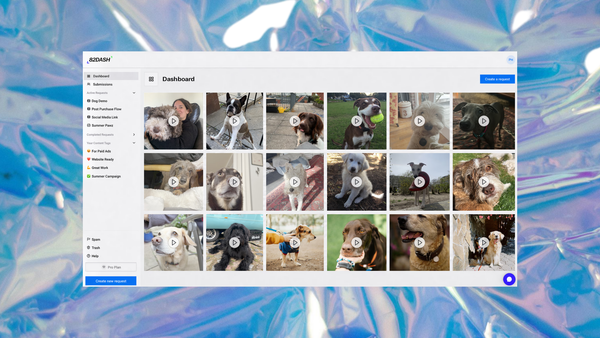
Since 9 June 2026, ads reaching New York consumers that feature an AI-generated person must disclose it conspicuously. The definition contains a pincer most coverage has missed.
ecommerce
The creative you run in November has to be asked for in September, because customer content has a four to six week lead time. Here is the timeline worked backwards from Black Friday.

ugc
AI is not uniformly worse on a product page. It is worse at one job and better at another, and the brands doing well worked out which is which. Plus the disclosure rules that changed the calculation in 2026.

lightspeed
Lightspeed eCom tells you what sold and nothing about what customers thought. Here is how to collect photos, video and insight from online orders, and why the QR code on your packaging insert should be dynamic.
lightspeed
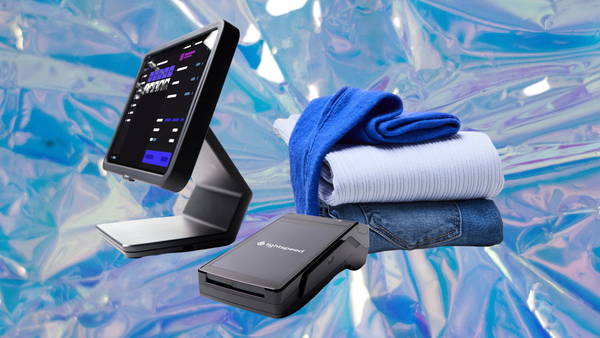
A shop has the customer standing in front of it holding the product, at the moment they are most pleased. Almost nobody captures it. Here is how Lightspeed Retail stores collect content and insight at the till.

Rights Clearance
Article 50 of the EU AI Act applied from 2 August 2026. Generated marketing images now carry a labelling obligation and penalties up to 3% of worldwide turnover. Customer photographs carry neither.
cgc
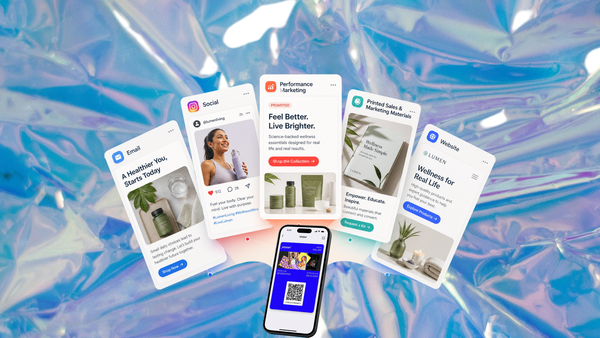
Collection gets all the attention and deployment decides whether it mattered. How to put customer content to work at every funnel stage, and why rights clearance determines what you are allowed to do.

cgc
Wellness customers are the most engaged in ecommerce and the hardest to collect from. The timing is different, half of what they say cannot be published, and the subscription cycle nobody uses is the answer.