Build Your Q4 Content Library Before Black Friday
The creative you run in November has to be asked for in September, because customer content has a four to six week lead time. Here is the timeline worked backwards from Black Friday.
The creative you run in November has to exist by the end of October. That is obvious. What is less obvious is that customer content has to be asked for in September, because there is a gap of several weeks between requesting content and having enough of it to use.
Most brands discover this in the third week of October, when the ad account needs fresh creative, the customer photos have not arrived, and the only option left is buying stock photography or commissioning a rush shoot at the worst possible moment for pricing.
Black Friday is 27 November this year and Cyber Monday is 30 November. Standard guidance puts creative preparation eight to twelve weeks out, which means the window is open now and will not be for much longer.
From r/FacebookAds: "We would like to prepare our ad content calendar at least by the middle of September. In the past when we just started out we launched Black Friday ads and it took more than 36 hours to get accepted which was incredibly frustrating and cost us money."
Mid-September is the right instinct, and the second half of that is a cost most planning guides leave out entirely.
Ad review queues slow down in peak season. Creative submitted in late November sits behind everyone else's creative, and a 36 hour approval delay during Black Friday weekend is not a delay, it is the campaign. Anything requiring a resubmission after a rejection is worse again.
That pushes the deadline earlier than the creative deadline alone suggests. The assets do not need to exist by launch. They need to exist, be uploaded, and be approved with enough margin that a rejection is recoverable.
Why Customer Content Has a Lead Time
Commissioned content is a purchase. You brief it, you pay, it arrives on a date you agreed. The lead time is known and controllable.
Customer content is a request, and requests behave differently.
People respond on their own schedule. Some submit within an hour of being asked. Most take days. A meaningful proportion respond three weeks later when they finally get round to it.
Not everything you receive is usable. Depending on the ask and the briefing, expect somewhere between half and two thirds of submissions to be usable, and plan accordingly.
Volume takes multiple asks. A single request to a single segment gives you one wave. Building a library that covers several products, formats and use cases takes more than one campaign.
Add those together and the realistic gap between "we start asking" and "we have a usable library" is four to six weeks. Start in late September and you are comfortable. Start in late October and you are buying stock photography.
What Q4 Actually Needs
Working backwards from what you will run, rather than collecting and hoping.
Ad creative, in volume. Q4 is when creative fatigue is fastest, because you are spending more into the same audiences. A campaign that would last six weeks in March burns out in ten days in November. You need considerably more distinct pieces than usual, and variety matters more than polish.
Vertical video especially. If paid social is part of your Q4, this is the format you will run short of. It is also the format brands are worst at collecting, because photos are easier to ask for.
Gifting context. This is the Q4-specific one and almost nobody collects it. Most customer content shows the product in use by the buyer. In Q4 a large share of purchases are gifts, and imagery showing the product wrapped, given, or received is a different and more relevant proposition. It has to be asked for specifically because customers will not produce it by default.
Product page reinforcement. Traffic peaks, so the conversion effect of customer imagery on a product page is worth more in November than at any other point in the year. The same percentage uplift applied to four times the traffic.
Email. Q4 email volume is high and inbox competition is brutal. Customer photos in email perform differently from product shots, and a featured customer is a reason to open that a discount code is not.
A Timeline That Works Backwards
Black Friday is 27 November. Counting back from there.
| When | What |
|---|---|
| Now to mid-September | First collection campaign. Broadest ask, largest segment. |
| Mid to late September | Second wave, targeting gaps. Gifting context, vertical video. |
| Early October | Review, tag and sort. Identify what you are still short of. |
| Mid-October | Final top-up campaign to your most responsive customers. |
| Late October | Product pages refreshed. Ad creative built and loaded. |
| Early November | Upload and submit for review. Testing window. Find winners before spend increases and before approval queues lengthen. |
| 27 November | Black Friday. |
The step people skip is early October. Collecting without reviewing means arriving in November with a folder rather than a library, and no idea what is missing until you need it.
The other underrated step is the early November testing window. Creative that has not been tested before the spend increases is creative you are learning on at the most expensive possible moment.
Ask for the Right Things Now
Q4 collection differs from normal collection in three ways.
Ask for gifting scenarios explicitly. "Show us it wrapped" or "show us the moment you gave it" produces content that does not otherwise exist. It is also a request people enjoy, which helps response rate.
Ask for vertical video even if you normally ask for photos. Ten seconds, filmed on a phone. It is the format you will be shortest of and it takes the same effort from the customer as a photo does.
Ask your repeat customers first. They respond at higher rates, they know the product well enough to show it properly, and they are the group most likely to respond again in October if you are short.
The reward matters more in Q4 too, and it is worth being deliberate about the type. Store credit performs particularly well in the run-up to a peak trading period, because the customer intends to spend anyway and it returns to you rather than leaving.
What Usually Goes Wrong
Four failure modes account for most disappointing Q4 collection campaigns, and all are avoidable if you know them in August.
Starting the ask and the deadline at the same time. A campaign launched in late October is not a campaign, it is a hope. The lead time is real and it does not compress because the date is close.
Asking for too much in one request. Q4 tempts brands into asking for a photo and a video and a review and a gifting shot, because there is a lot to cover. Response rate falls to roughly the rate of the hardest item on the list. Run three separate requests instead, spaced a fortnight apart.
Collecting without tagging. By late October you will have submissions from several products, formats and campaigns. Untagged, that is a folder you cannot search at the exact moment you are short of time. Tagging as it arrives costs minutes. Tagging retrospectively in November does not happen.
Forgetting the peak-season customers themselves. The largest group of customers you will have all year passes through in November and December, and most brands ask none of them for anything. Every parcel going out in peak season is a collection opportunity for Q1, and it costs the price of a printed insert.
There is also a quieter one worth naming. Brands treat Q4 content as disposable, built for a six week window and discarded afterwards. Most of it is not seasonal at all. A customer photograph of your product in a kitchen works in February as well as it works in November, provided nothing in the frame says Christmas. Collect with that in mind and the campaign pays for itself twice.
How 82DASH Handles a Seasonal Push
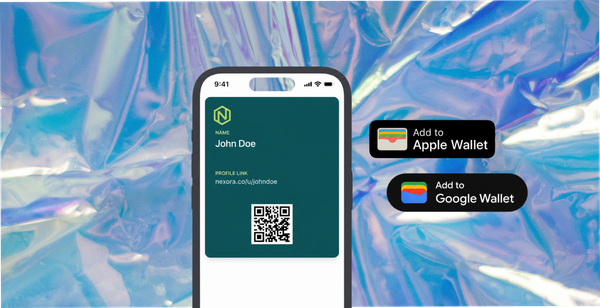
82DASH is a customer content platform built on the premise that a brand should pay its customers rather than creators. It collects rights-cleared photos, videos, feedback and reviews, and delivers the reward as an Apple Wallet or Google Wallet pass.
For a seasonal campaign the mechanics matter in a few specific ways.
You build a content request naming the format and the scenario, so a gifting request is genuinely a gifting request rather than a general ask. It reaches customers by QR code on packaging, a link after purchase, or an NFC tap.
Rights clearance is captured at submission, covering paid ads, email, product pages, social and print. In Q4 that matters more than usual, because the content you collect in September needs to run in paid media in November without a separate approval step in between.
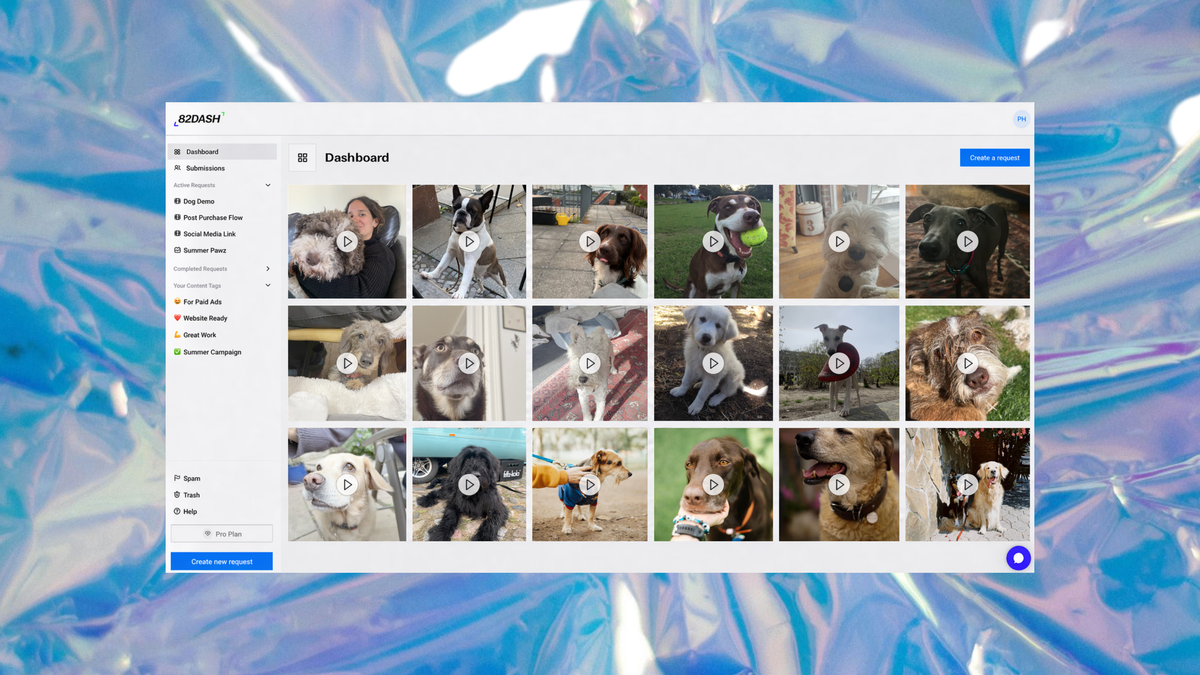
Submissions land in a library you can review and tag by product, format and campaign, which is what makes the early October gap analysis possible at all.
The reward arrives as a wallet pass, and this is the part that compounds across a season. The customers who contribute in September have a pass on their phone, so the October top-up request costs nothing to send and reaches the people who already said yes once. By November you also have a direct channel to your most engaged customers at the exact moment you want to reach them.
Where you want the social reach as well, Amplify prompts customers to post on their own channels after submitting, which is optional and additional rather than a requirement.
Install 82DASH on the Shopify App Store
If You Are Reading This in November
The honest answer is that the collection route will not solve a Q4 creative shortage this year. Four to six weeks is four to six weeks.
What it can still do:
Run a short campaign anyway. Anything that arrives before the last week of November is usable for the December run-in and the January sale period, which is a real trading window that gets less attention than it deserves.
Collect during Q4 for Q1. Your highest volume of customers passes through in November and December. That is the largest addressable pool you will have all year, and most brands ask none of them for anything. A QR code on every parcel through peak season builds a library that carries you into the new year at almost no cost.
Set next year up properly. Note the date you started this year, then work back. The lesson repeats annually until someone writes it down.
One practical way to make that stick: put a reminder in the calendar for the first week of September rather than trusting yourself to remember in twelve months. The reason this catches brands out repeatedly is not that the timeline is complicated. It is that the moment you need to act falls in a quiet trading month, when Q4 feels distant and there is nothing forcing the decision.
Isabelle Simon is Communications Lead at 82DASH.
Frequently Asked Questions
When should I start preparing Black Friday creative?
Eight to twelve weeks ahead is standard guidance, and customer content needs the earlier end of that range. Black Friday 2026 falls on 27 November, so collection campaigns should be running by mid-September to leave time for submissions to arrive and be sorted.
How long does it take to collect customer content?
Realistically four to six weeks between launching a request and having a usable library. People respond on their own schedule, a proportion of submissions will not be usable, and building coverage across products and formats usually takes more than one wave.
What content should I collect specifically for Q4?
Gifting scenarios, which almost nobody collects and which customers will not produce unless asked. Plus vertical video in volume, because creative fatigue accelerates when spend increases and video is the format most brands run short of.
Is it too late to start if it is already October?
For Black Friday itself, largely yes. But a campaign started in October still produces content for the December run-in and January sales, and collecting from your peak-season customers builds the library that carries you into Q1.
What reward works best for a Q4 collection campaign?
Store credit tends to perform well in the run-up to peak trading, because the customer intends to spend anyway and the reward returns to you rather than leaving the business. Immediacy matters more than size.
Further Reading
- Shopify: merchant resources on peak season preparation
- Meta: creative volume and fatigue guidance for paid social
- Bazaarvoice: research on customer photos and product page conversion
- Klaviyo: email benchmark data for peak trading periods
- FTC: disclosure guidance for incentivised customer content