Photo Scavenger Hunt: 50 Ideas, Rules and a Collection Checklist
Fifty prompts, the rules that keep it moving, and the part most guides skip: how to get the photos back once everyone has gone home.

A photo scavenger hunt gives people a list of things to photograph and a reason to go and find them. It works at a wedding, a conference, a hotel, a gallery, a bar or an office, and it needs no equipment beyond the phones everyone is already holding.
This guide has fifty prompts grouped by setting, the rules worth setting before you start, and the part almost every other guide leaves out: how to get the photographs back afterwards.
The Rules, Set These First
Six decisions, and they take five minutes.
How long. Ninety minutes to two hours for a roaming hunt. A whole evening or a whole stay if people are photographing as they go. Longer than three hours and the energy drains out of it.
Teams or individuals. Teams of four to six for an event. Individuals for a venue or a brand, where the point is the photographs rather than the competition.
How many prompts. Fifteen to twenty for a timed hunt. Expect people to finish some and skip others, and write the list so that a partial run still feels like a success.
Scoring. Either one point per prompt completed, or weighted points where harder prompts are worth more. Weighted is more fun and takes longer to judge.
How they submit. Decide before you print anything. This is the decision that determines whether you ever see the photos, and it is covered properly below.
What they win. Something specific. "A prize" is not a prize.
50 Photo Scavenger Hunt Ideas
Grouped by setting. Mix across groups for a general hunt.
Anywhere (1 to 10)
- Something older than everyone in your team combined
- A reflection that is not in a mirror
- Two strangers wearing the same colour
- The best view within fifty paces
- Something that has clearly been repaired rather than replaced
- A queue
- Handwriting that is not on a sign
- Something completely round
- The smallest door you can find
- A shadow that looks like something else
Weddings and parties (11 to 18)
- Someone crying, happily
- The oldest and youngest guest together
- A shot of the couple that nobody else got
- Somebody's shoes off under a table
- The best dance move of the night, mid-air
- A table of empty glasses
- Two people meeting for the first time
- The cake, from underneath
Hotels, resorts and holiday parks (19 to 26)
- Your view, at the time you woke up
- Something you would put in your own house
- The furthest point from reception you can reach in ten minutes
- Breakfast, arranged properly
- A member of staff doing something well, with their permission
- The pool, when it is empty
- Something you did not expect to find here
- Your room key in an unlikely place
Restaurants, cafes and bars (27 to 34)
- The dish you did not order but wish you had
- Steam
- The bar, from your seat
- Two hands and one plate
- Something the kitchen sent out that made the table stop talking
- Your drink beside the thing you came here for
- A regular in their usual spot, with their permission
- The last bite
Museums, galleries and attractions (35 to 42)
- The oldest object you can find a date for
- Somebody looking closely at something
- A detail most people walk past
- Two objects from different centuries in one frame
- The label you found most surprising
- Something that is not what it first appears to be
- The best shape in the building
- A room, empty
Offices and team events (43 to 50)
- The whole team reflected in one surface
- Something on a desk that tells you about the person
- Proof you left the building
- Your team recreating a photo from the company website
- The most-used object in the room
- Somebody teaching somebody else something
- A view from the highest point you are allowed to reach
- Everyone, at the end, still standing
Scoring That Does Not Take All Night
Judging is where hunts collapse. Forty submissions across ten teams is four hundred photographs to look at while people wait.
Score on completion, not quality, for most prompts. They either photographed a queue or they did not. Fast, uncontroversial, and it keeps the pace.
Pick three prompts to judge properly. Announce which three at the start. Those get quality scores and everything else is pass or fail. This gives you a winner without a forty-minute deliberation.
Set a bonus, not a tiebreak. One or two points for the single funniest or most surprising photo, decided by whoever is running it, no appeals.
Announce results while people are still together. A winner declared by email the next day is not a winner, it is an administrative message.
The Part Everyone Gets Wrong
Here is what usually happens. People photograph everything, send some to a group chat, the group chat scrolls, and three weeks later the whole thing exists as a few screenshots on one person's phone.
Everybody took part. Nobody has the photographs.
Decide the return route before you print the prompt list. There are four options and they are not equivalent.
| Route | Effort for them | You end up with |
|---|---|---|
| Group chat or messaging thread | None | Compressed images, no names, nothing searchable, gone in a month |
| Social media with a hashtag | Moderate | Public posts you can see and mostly cannot legally use |
| Email to an address | High | A cluttered inbox and a manual filing job |
| A link or code that collects submissions | Low | Everything in one place, attributed, with permission attached |
Three things separate a hunt that produces something from one that does not.
One place, not four. If people can submit by three different routes you will spend longer collecting than they spent photographing.
Names attached at submission. An anonymous photo cannot be credited, cannot be used, and cannot be thanked.
Permission, and ideally at the moment they hand it over. This is the one nobody thinks about on the day and everybody needs later. A photograph taken at your venue is not automatically yours, because the rights sit with whoever took it. Before you put it on your website, in an email or behind paid media, you need their permission covering that use. Asking at submission is the most reliable version, because the agreement attaches to the file and the person is still engaged. Asking later works too, it is just harder to chase and easier to lose.
And give them a reason to submit rather than keep. A photo scavenger hunt is real effort. There is a case for making the reward immediate rather than larger: the exchange completes while people are still in the room and still interested. Worth testing against a prize announced later, because the two fail differently.

A Collection Checklist
Run through this before the hunt, not after.
- One submission route, decided and printed on the prompt list
- The route works on a phone with no app and no account
- Names captured at submission
- Permission for marketing use captured at submission, if you might use the photos
- A reward that arrives on the day
- Somewhere the photos land that is searchable in six months
- A named person responsible for judging
- Results announced before people leave
Make Sure It Works on Everybody's Phone
This sounds obvious, and it is where hunts quietly shed participants in the first ten minutes.
Nothing should require an app. Anybody asked to visit an app store to join a scavenger hunt will decide they are watching rather than playing, and they will be right. The prompt list and the submission route should open in whatever browser the phone already has.
Test on an iPhone and on an Android handset before the day. These behave differently, particularly around camera permissions and file uploads, and a route that works on one can fail on the other. Ten minutes with two real phones is enough.
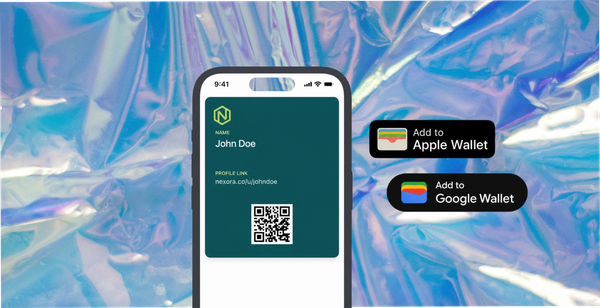
If a reward is involved, it has to land on both. A reward that saves to Apple Wallet and does nothing on Android silently excludes a large share of the room. The split varies by country, age and audience, and StatCounter is the quickest way to check yours, but in every major market both platforms are big enough that one alone is not good enough.
Assume patchy signal. Basements, old buildings and rural venues all break uploads. A submission route that holds a photograph and sends it when signal returns is worth more than a prettier one that fails silently.
How 82DASH Fits
82DASH is a customer content library. It collects photos, videos and feedback directly from people, and a reward lands in their Apple Wallet or Google Wallet when they submit.
For a photo hunt, that covers the whole return route in one step. Participants scan a code or follow a link, submit against the prompts, and a reward arrives on their phone within seconds. No app, no account, nothing to install on either side.
Three things follow that matter more than they sound.
Permission is captured at submission. The agreement covering marketing use is attached to each photograph as it arrives, which is the difference between images you have and images you may run. The rights management page sets out how.
Everything lands in one place, attributed and searchable. Not a group chat, not an inbox. The tips page on reviewing, tagging and managing submissions covers what to do with what comes back.
The reward is immediate. It arrives while people are still together, which is the moment the exchange feels fair.
On plans, so you are not surprised. The free plan covers branded forms and wallet passes, up to 50 submissions a month, which is enough to test whether people will scan a code and claim a reward. Collecting customer photos sits on the paid plans, so a photo hunt needs Starter or above. Starter and Growth both include a seven-day free trial, which is the way to run a real hunt before paying for anything. Monthly plans start at $50, with around 15% off annually, and the pricing page has the current detail.
Underneath it: pay your customers, not creators. The people already in your venue will photograph it for the price of a small reward, and their version is more believable because nobody paid them to like it.
Start free with forms to Apple and Google Wallet
Isabelle Simon, Communications Lead, 82DASH
FAQs
How many prompts should a photo scavenger hunt have?
Fifteen to twenty for a timed hunt of ninety minutes to two hours. Expect partial completion and design for it, so that a team finishing most of the list still feels they did well. Past twenty, the list starts to read as homework. Run one and count what actually comes back, then set your next list from that.
How long should it last?
Ninety minutes to two hours for a roaming hunt. Longer works only when people are photographing as they go, such as across a hotel stay or a conference day. Past three hours of active hunting, energy drops sharply.
How do you judge a photo scavenger hunt fairly?
Score most prompts on completion rather than quality, then pick three prompts announced at the start to judge properly. That gives you a clear winner without spending forty minutes reviewing four hundred photographs while everyone waits.
Can you use the photos afterwards in marketing?
Only with permission that covers it. A photograph taken at your venue is not automatically yours to use, and posting it publicly is not consent for commercial use. Capture an agreement at the moment of submission, naming the channels you might use it in. Asking afterwards has a low response rate and weak documentation.
What makes a good prize?
Something specific. "A prize" is not a prize. There is a good argument for making it immediate rather than larger, because the exchange completes while people are still together and still interested, but the only way to know what works for your group is to try both and compare.
Do people need an app?
They should not have to. Every extra step between reading the prompt and submitting is somewhere people stop, and an app install is the largest of those steps. A link or QR code that opens in a browser, with the reward delivered to the wallet already on the phone, keeps it to one tap.
Further Reading
- Event content capture: build a content library
- Event venue marketing: weddings, conferences and parties
- Bar and nightclub customer content strategy
- Apple Wallet passes for events
- Apple Wallet developer documentation
- Google Wallet developer documentation
- FTC endorsement guides: what people are asking
- QR code specification, Denso Wave