Photo Challenge or Scavenger Hunt: Which Should You Run?
The two formats get used interchangeably and they are not the same thing. One needs a place and a date. The other needs neither, and most businesses asking for a hunt actually want it.

The two get used as though they mean the same thing. They do not, and picking the wrong one is the commonest reason these run once and never again.
A scavenger hunt is about finding things in a place. People move around a defined space, within a window, usually in teams, racing.
A photo challenge is about producing things over time. People receive prompts and submit whenever they can, usually alone, not racing anybody.
One needs everybody in the same place on the same day. The other does not. That single difference decides almost everything else.
Side by Side
| Scavenger hunt | Photo challenge | |
|---|---|---|
| Needs a place | Yes, defined | No |
| Needs a date | Yes, everyone at once | No, a window |
| Typical length | 90 minutes to 3 hours | Days to weeks |
| Teams or solo | Teams | Usually solo |
| Competitive | Central to it | Optional |
| Setup | Route, rules, marshalling | A prompt list |
| Runs again next month | Needs organising again | Change the prompts |
| Fails when | People cannot attend | Nobody is reminded |
| Produces | An event people remember | A library you can use |
| Best for | Team days, conferences, guided trails | Venues, brands, anything ongoing |
When a Hunt Is Genuinely the Right Answer
The place is the point. A museum trail, a campus tour, a historic building. You want people to go to specific spots in a specific order and notice specific things. A challenge cannot do that.
Everyone is already together. A conference afternoon, a team day, a wedding reception. The hard part of a hunt, getting people in one place at one time, is already solved for you.
You want the energy of a race. Teams, a clock, a leaderboard and a result announced in the room. That is a hunt, and a challenge will feel flat by comparison.
You are running it once. If this is a one-off for a specific occasion, the setup cost is worth paying and there is nothing to sustain.
When You Actually Want a Challenge
Your people arrive on different days. Hotels, gyms, salons, restaurants, shops. A guest on Tuesday and a guest on Saturday cannot take part in the same hunt. They can take part in the same challenge.
You want it running in the background. A hunt is an event you organise. A challenge is a thing that sits there working, which is a different kind of effort: small and continuous rather than large and occasional.
You want the photographs more than the afternoon. This is the real one. A hunt produces an experience. A challenge produces a library. If what you need is thirty usable photographs of your product in real homes, a hunt is an expensive way to get them and a challenge is the direct route.
Your audience is not in one place at all. A brand with customers across a country cannot run a hunt. It can run a challenge tomorrow.
The Question That Settles It
Ask yourself what you want to be true in a month.
"We had a great afternoon and people still talk about it." Run a hunt.
"We have a folder of photographs of real customers using the product, and we can put them on the site." Run a challenge.
Both are legitimate. They are just different purchases, and the mistake is running a hunt when the second answer is what you actually wanted, then wondering why there is nothing to show for it afterwards.
You Can Run a Hunt as a Challenge
This is the option most people miss, and it is usually the best of the three.
Give people a list of things to photograph in your space, but do not require them to be there at a set time, do not put them in teams, and do not run a clock. Guests photograph the prompts across their stay. Customers photograph them across a month.
It keeps the thing that makes a hunt fun, which is a specific list of specific things, and drops the thing that makes it expensive, which is marshalling everyone into one place.
What you lose: the race, the leaderboard, the moment in the room.
What you gain: it runs for a season, everyone can take part, and the photographs come back to you.
For a venue, that trade is almost always worth making.
Whichever You Pick, Decide the Return Route First
Both formats fail the same way. People photograph everything, it lands in a group chat or a hashtag, and a month later the whole thing exists as screenshots on one person's phone.
One place to submit, not four. Multiple routes means you spend longer collecting than they spent photographing.
Names attached as it arrives. An anonymous photo cannot be credited, used or thanked for.
Permission, before you use it. A photograph taken at your venue is not automatically yours, and a public post is not consent for commercial use. You need permission from the person who took it, covering the use you have in mind. Capturing it at submission is the most reliable route, because the agreement travels with the file instead of living in a message thread you have to find again.
A reward that arrives on the day. A prize announced later competes with everything else in an inbox. One that lands while people are still in the room completes the exchange while they still care.
Three Practical Things Both Formats Need
It has to work without an app. Whichever format you pick, anybody asked to install something before taking part will decide they are watching rather than playing. The prompts and the submission route should open in the browser already on the phone.
It has to work on both platforms. Test on an iPhone and on an Android handset before you commit. Camera permissions and file uploads behave differently, and a route that works on one can fail silently on the other. If a reward is involved, the same applies: one that saves to Apple Wallet and does nothing on Android excludes a large share of your audience. The split varies by country and demographic, and StatCounter is the quickest way to check yours.
Somebody has to mention it. This is the difference between a format that works and one that technically exists. A hunt announced once in a welcome email, or a code sitting unremarked on a table, gets a fraction of the participation of one a person actually mentions. For a hunt that is the host at the start. For a challenge it is a line at check-in, on the receipt, or in the follow-up message. It is the cheapest change available to you, and the one most worth testing.
How 82DASH Fits
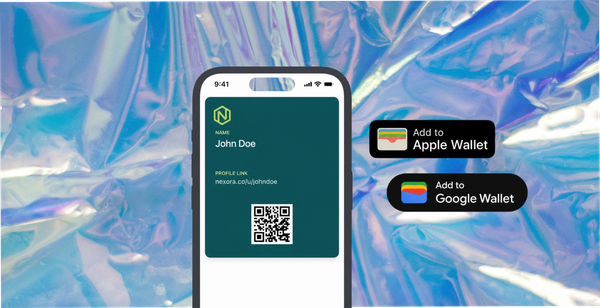
82DASH is a customer content library. It collects photos, videos and feedback directly from customers, and a reward lands in their Apple Wallet or Google Wallet when they submit.
It is built for the challenge format rather than the hunt format, and that is a deliberate choice rather than a limitation. Challenge Mode delivers a series of prompts to a participant across a window, with due dates and a cap, so a hotel can run one across a season and a brand can run one across a launch.
What it will not do is hide twenty codes around a building and sequence people between them. If the route itself is the point, you want a hunt platform, and this post has hopefully helped you work out whether it is.
Two things make the output worth more than the activity.
Permission is captured at submission, which is the difference between photographs you have and photographs you may run. The rights management page sets out how.
The reward persists on the phone after it is spent, so the next request goes to somebody who has already said yes once.
On plans. The free plan covers branded forms and wallet passes up to 50 submissions a month, which tests whether people will scan and claim. Photo collection sits on the paid plans, so either format above needs Starter or higher. Starter and Growth include a seven-day free trial. Monthly plans start at $50, with around 15% off annually, and the pricing page has the current detail.
Underneath it: pay your customers, not creators. The people already in your venue will photograph it for the price of a small reward, and their version carries more weight because nobody paid them to like it.
Start free with forms to Apple and Google Wallet
Isabelle Simon, Communications Lead, 82DASH
FAQs
What is the difference between a photo scavenger hunt and a photo challenge?
A hunt is about finding things in a defined place within a set window, usually in teams and usually competitive. A challenge is about producing things over a longer period, usually alone, with no requirement to be anywhere. A hunt needs everyone together on a date. A challenge does not.
Which one produces content I can use?
Either can, but a challenge does it more reliably, because it is built around submission rather than around an afternoon. A hunt produces a memorable event and, unless you designed the return route deliberately, very few photographs you can actually use.
Can I run a hunt without everyone being there at once?
Yes, and that is usually the best option for a venue. Keep the prompt list, drop the clock and the teams, and let people photograph across their stay or across a month. You lose the race and gain a format that runs for a season.
How long should a photo challenge run?
A week to a month for most businesses. Long enough that people can take part around their own lives, short enough to create a reason to start. Across a hotel stay, the stay itself is the window.
Do I need a prize for a challenge?
You need a reward, which is not quite the same thing. A prize goes to one winner and gives everybody else a reason not to bother. A reward goes to everybody who takes part, which is what you want when the photographs matter more than the competition.
Can I use the photographs in advertising?
Only with permission from the rights holder covering commercial use. Posting publicly is not consent. You can ask after the fact, and plenty of businesses do, but capturing it at submission keeps the agreement attached to the file rather than sitting in a thread you have to find again.
Further Reading
- Photo scavenger hunt: 50 ideas, rules and a collection checklist
- Event content capture: build a content library
- How to get customers to share photos and videos
- Reward customers for photos, videos and feedback without a loyalty app
- Apple Wallet developer documentation
- Google Wallet developer documentation
- FTC endorsement guides: what people are asking
- QR code specification, Denso Wave