How to Get Customers to Share Photos and Videos of Your Product
Most brands want more customer photos and videos but have no system to get them. Here is how to build a repeatable flow of customer content that actually scales.

Most brands want more customer photos and videos. Almost none of them have a system for getting them.
The typical approach goes something like this: add a "tag us on Instagram" note to the packaging, hope something comes in, and share it when it does. A few posts trickle in each month. The team celebrates each one. The volume never grows.
The brands that get a steady, predictable flow of customer content have built something different - not a hashtag campaign, not a creator programme, not a photography competition. They have a system: a direct ask, at the right moment, with a clear reason to bother, and a submission flow that takes less than thirty seconds on a phone.
This post walks you through every part of that system.
Why Customers Don't Share (Even When They Love the Product)
Before fixing the volume problem, it helps to understand why it exists. There are three consistent reasons customers don't share content:
Nobody asked them directly. A branded hashtag in a packaging insert is not an ask. It is a passive invitation with no urgency, no reason, and no path forward. Most customers see it, register it faintly, and move on. A direct message - "we'd love a photo of you using this, here's the link" - converts at a completely different rate.
There was no clear reason to bother. Sharing content takes a small but real effort. Taking the photo, finding the brand, writing a caption, posting it. Without a tangible benefit - a reward, a discount, recognition - most people conclude the effort isn't worth it. Not because they don't like the product, but because they have other things to do.
The timing was wrong. Customer satisfaction peaks at a specific moment: just after the product arrives, just after the first visit, just after the event. Ask too early and they haven't formed a view. Ask two weeks later and the moment has passed. Most brands ask at completely the wrong time - or not at all.
Fix these three things and the volume problem largely solves itself.
The Ask: Direct Beats Passive Every Time
The single highest-leverage change most brands can make is replacing passive invitations with a direct, specific ask.
"Tag us on Instagram" is passive. It puts the entire burden on the customer - they have to decide to post publicly, find your account, write a caption, and navigate whatever privacy concerns stop them from posting in the first place.
A direct link to a submission page removes nearly all of that friction. The customer clicks the link, uploads a photo or short video, and submits. No public post required. No caption needed. No Instagram account necessary.
PowerReviews data consistently shows that submission rates are significantly higher when brands provide a direct submission mechanism rather than relying on social tagging. The difference is not marginal - it's often the gap between a handful of posts per month and hundreds.
When you write the ask, be specific. "A photo of you using the product" outperforms "share your experience" by a wide margin. Specific requests give customers a clear mental image of what you want. Vague requests require them to work out what you mean, which most people won't bother doing. More on framing later.
The Timing: The Peak Satisfaction Window Is Short
Klaviyo post-purchase research makes the timing argument clearly: the hours immediately after a delivery confirmation are the highest-engagement window in the entire customer relationship. Open rates, click rates, and response rates all peak in this window.
The same logic applies across industries:
For ecommerce brands, the trigger is delivery confirmation. The product is new, the excitement is real, the experience is fresh.
For hospitality - hotels, restaurants, cafes, events - the trigger is the visit itself. A message sent within an hour of checkout, or as the customer is leaving, lands at peak satisfaction.
For retail, the trigger is the purchase or the first use at home. A receipt-based follow-up, or a message sent a day after purchase, catches customers in the right frame of mind.
The window is not infinite. Wait three days and response rates drop sharply. Wait a week and you are asking a customer to recall and reconstruct an experience they have largely moved on from. The system only works when it is automated against the right trigger event.
The Incentive: What Actually Moves People to Act
Incentives matter, but not equally. The three most common approaches produce noticeably different results.
"Chance to be featured" - the weakest option. It asks customers to do work in exchange for possible recognition. Most people correctly calculate that the probability of actually being featured is low, and the reward for being featured is limited. This approach works occasionally with highly engaged fans, but not at scale.
Discount codes - better, but with a significant downside. A discount on a future purchase assumes the customer plans to buy again. It also trains customers to expect discounts, which has compounding negative effects on perceived value. For high-frequency purchases it can work well. For lower-frequency categories it often underperforms.
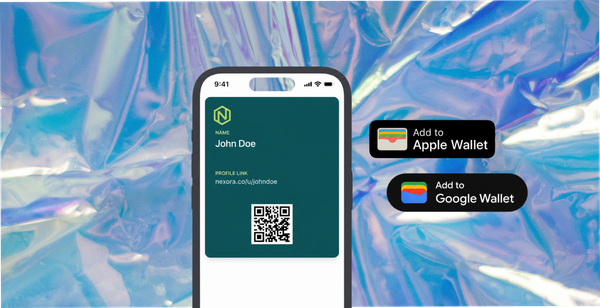
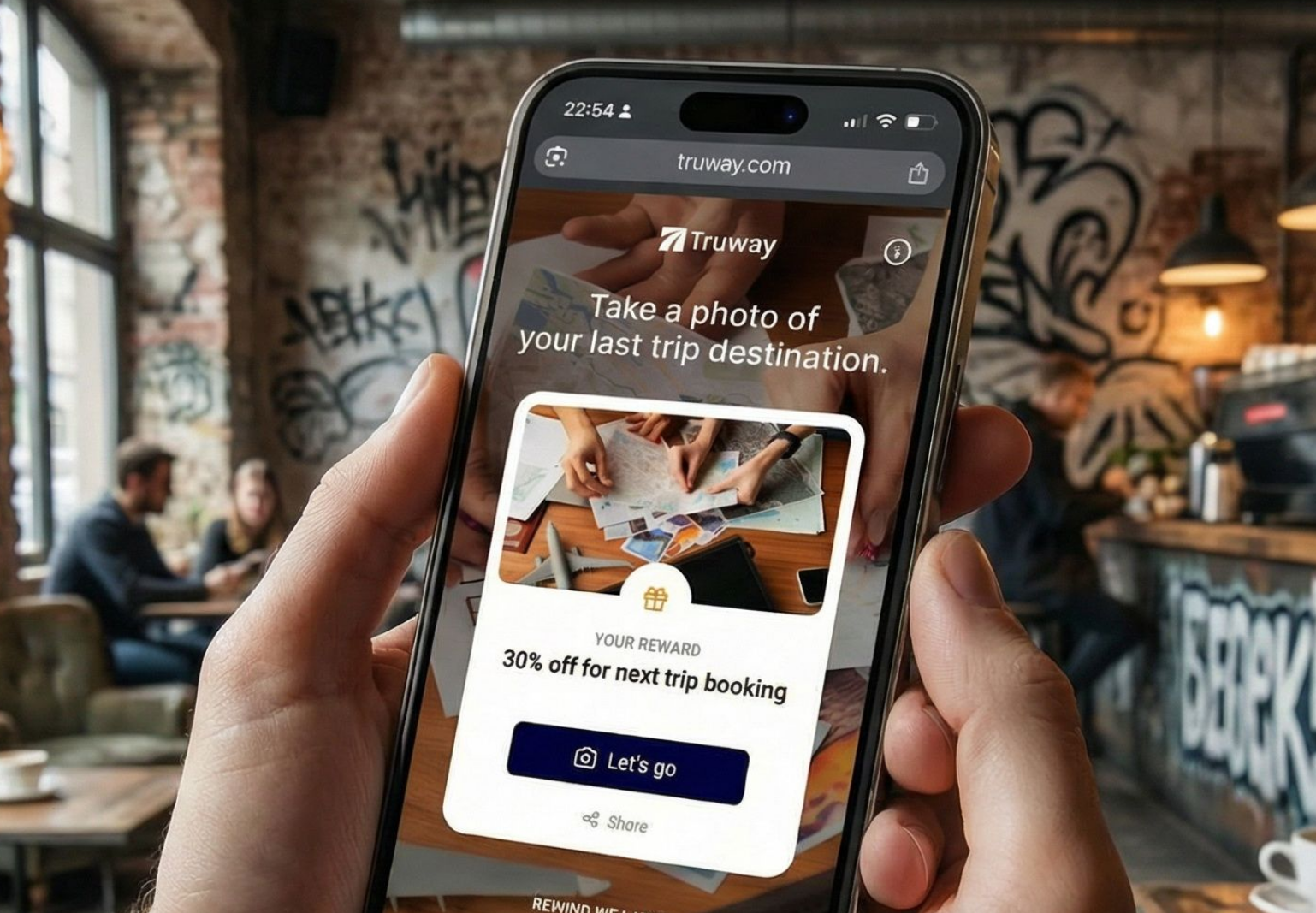
Wallet rewards - the strongest option for most brands. An instant reward delivered directly to a customer's Apple Wallet or Google Wallet - a credit, a loyalty reward, a freebie - is tangible, immediate, and personal. There's no code to remember, no minimum spend threshold, no "valid for 30 days" small print. The customer submits content and the reward appears in their phone's wallet within seconds.
Wyzowl research shows that 72% of consumers trust a brand more after seeing genuine video testimonials. The incentive that produces more genuine content is not just a marketing line - it has a measurable downstream effect on conversion.
For a detailed breakdown of reward mechanics, the 82DASH tips page on how to reward customers for photos, videos, and feedback covers the options by context.
The Framing: How You Write the Request Matters
The message that accompanies the ask is not a formality. It determines whether the customer feels like they're being asked a favour or being used as a free content machine.
A few principles that consistently improve response rates:
Lead with the why. "We use real customer photos on our website and in our ads - your photo could appear here" gives the customer a reason to care. It also signals that the content will actually be used, which makes the effort feel worthwhile.
Be specific about what you want. "A photo of the product on your kitchen worktop" beats "a lifestyle photo." "A short video showing how you use it" beats "a video." The more specific the ask, the clearer the customer's mental image of what to do, and the easier it is to actually do it.
Keep it short. A long, apologetic preamble before the ask signals low confidence and wastes the customer's attention. State what you want, explain why briefly, link to the submission page.
The 82DASH tips page on how to write a content request that actually gets responses goes deeper on message structure and tested formats.
The Submission Flow: Frictionless or Forgotten
Even a perfectly timed, well-framed request will fail if the submission process is frustrating.
The benchmarks here are unforgiving. If a customer has to: create an account, navigate more than one page to reach the upload, deal with a file size error, or wait for a confirmation email before receiving their reward - you will lose a significant percentage of them at each step.
The standard to aim for: a link that opens directly in the mobile browser, a single-screen upload with photo and video support, automatic rights clearance at the point of submission, and the reward delivered within seconds. No login. No steps that require switching apps. No waiting.
Sprinklr data on social commerce behaviour consistently shows that mobile friction is the primary reason content collection flows fail - not lack of interest from customers, but unnecessarily complicated processes.
Rights clearance deserves specific attention. Many brands collect content informally and then discover they cannot legally use it in paid advertising. The FTC has published clear guidance on what counts as proper consent for using customer content in commercial contexts. Collecting consent at the point of submission - built into the upload flow, not buried in terms and conditions - is both legally correct and practically the only workable approach at volume.
For an overview of what rights-cleared CGC means in practice, the CGC vs UGC post explains the difference in detail.
What to Do with the Content Once You Have It
Content collected with proper rights clearance is immediately usable across every channel without further legal review. That distinction matters more than most people realise.
Content that customers posted publicly on social media - tagged posts, public reviews - is not automatically yours to use in advertising. Repurposing it without explicit consent creates legal exposure, particularly for paid ads.
Content submitted directly through a rights-clearing submission flow is different. You have documented consent for commercial use, collected at the moment of submission. You can deploy it immediately: in Meta and Google ads as social proof creative, in email campaigns showing real customers, on product pages where customer photos lift conversion, on social channels, in physical retail or packaging.
Bazaarvoice has reported 161% higher conversion rates when shoppers interact with customer content on product pages. Nielsen puts 92% of consumers trusting earned media above all other advertising formats. The rights-cleared content collected through a direct submission system is the raw material for both.
Edelman Trust Barometer data over several years shows a consistent pattern: trust in brand-produced content declining, trust in peer content rising. The brands winning on trust are not producing more polished brand content - they are surfacing more genuine customer voices.
For how to actually deploy the content once you have it, the post on how to use customer content covers the channel-by-channel approach.
The Private Submission Insight: Where the Volume Actually Lives
Here is the data point that most brands find surprising.
82DASH data across its customer base shows that 79% of customers who would willingly share content with a brand will not post it publicly. Not because they are reluctant to support the brand - but because they don't want the exposure of a public post, don't want to curate their social presence, or simply prefer a private interaction.
This is not a niche segment. It is the majority.
The brands that rely solely on public social tagging are reaching the 21% who are comfortable posting publicly and happen to use the specific platform they're targeting. The other 79% - customers who are equally satisfied, equally willing to contribute - are invisible because there's no mechanism for them to share privately.
Direct submission unlocks this segment entirely. The customer who would never post on Instagram will happily send a photo through a submission link. The customer who doesn't have a public social account will upload a video through a branded form. The volume available through private CGC collection is not marginal - it is typically three to four times the volume available through public social tagging alone.
Stackla / Nosto research has found that customers are 2.4x more likely to engage with genuine customer content than brand-produced content. But you can only surface that genuine content if you have a mechanism for collecting it.
This is the core argument for building a system rather than hoping for tags.
How 82DASH Runs This End-to-End
82DASH is a customer-generated content platform built around the private submission model.
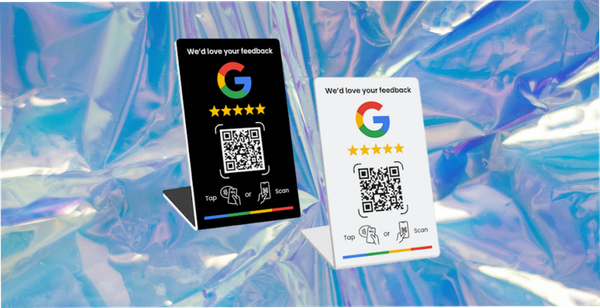
Brands using 82DASH set up a content request - defining what they want, the reward they're offering, and the submission flow. That request is deployed via QR code (physical or digital), post-purchase email, NFC tap, or SMS. Customers click the link, upload their content on mobile, and receive their wallet reward instantly via Apple Wallet or Google Wallet.
Rights are cleared at the point of upload. Every submission includes documented consent for commercial use, so content is available for ads, email, and product pages immediately - without a separate rights review process.
The platform handles the full flow: request design, submission collection, rights clearance, reward delivery, and content management. Brands see all submitted content in one place, can filter by content type or campaign, and can export for use across their channels.
For the complete guide to building a customer content collection system for a Shopify store, the post on how to get content from your Shopify customers covers the setup in detail. For brands running paid social, the post on how customer content reduces customer acquisition cost makes the economic case.
Isabelle Simon - Communications Lead - 82DASH
FAQ
How many customers actually submit content when asked?
Submission rates vary by industry, incentive, and timing, but a well-structured direct ask with a wallet reward typically achieves submission rates of 15-30% from the pool of customers messaged. Compare that to the fraction of a percent who will voluntarily tag a brand on social media unprompted. The system-to-passive ratio is not close.
Do I need to offer a discount to get submissions?
No - and for many brands, a discount is the wrong incentive. Wallet rewards (a credit, a freebie, an exclusive perk) consistently outperform discount codes because they are immediate and tangible, with no purchase threshold attached. The guide to how to reward customers for photos, videos, and feedback covers the incentive options by context.
Can I use submitted customer content in paid ads?
Yes, provided rights were properly cleared at submission. Content submitted through a platform that captures explicit consent for commercial use at the point of upload is immediately usable in Meta and Google ads. Publicly tagged content on social media does not carry those rights automatically - using it in ads without proper consent creates legal exposure. The post on rights-cleared UGC for Shopify ads covers this in full.
What if customers submit poor-quality photos?
Most brands find that the quality distribution is better than expected - customers with a genuine connection to the product tend to photograph it thoughtfully. For campaigns where quality consistency matters, the content request brief can specify what you're looking for ("well-lit, product clearly visible, ideally outdoors") and most customers will follow the guidance. Filtering low-quality submissions takes a few minutes once the volume is there.
Is this only relevant for ecommerce brands?
No. The same system works for hospitality (hotels, restaurants, cafes), events, retail, and service businesses. The trigger event changes - a delivery confirmation becomes a checkout or a visit - but the mechanics are identical. The 82DASH tips page on how to choose the right content request type covers the setup by industry.