How to Use Customer Content Across Your Shopify Store
Customer photos and videos can work across six channels - but most merchants only use one. Here's the full deployment guide, with rights requirements for each.
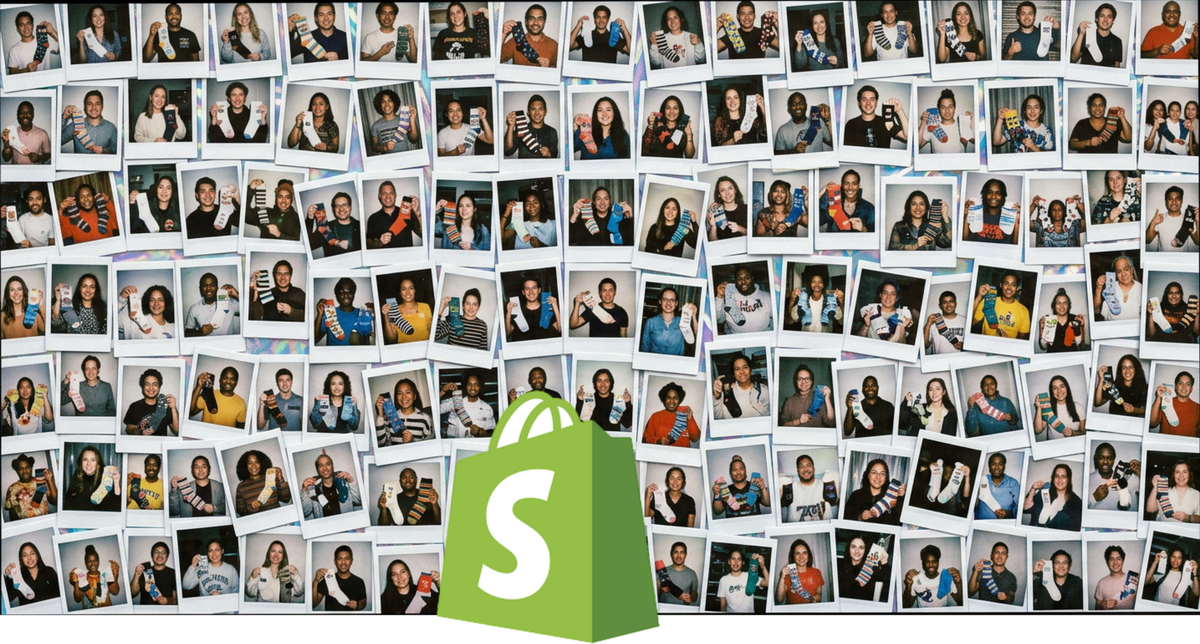
Most Shopify merchants have more customer content than they realise. A handful of tagged Instagram posts. A few dozen photo reviews sitting in their app dashboard. Maybe a short video from a happy buyer who sent it over email. The problem isn't collecting it - it's doing something useful with it.
The real leverage comes from deploying that content strategically across multiple channels. Not just plopping a photo gallery on one product page and calling it done. Research from Bazaarvoice shows shoppers who interact with customer content convert at 161% higher rates - but only if the content is actually there, in the right place, when they're making a decision.
This post is a deployment guide. We'll walk through six channels where customer content genuinely moves the needle, what format works in each, and - critically - what rights you need before you use it.
"AI UGC kills trust fast. Imperfect audio and lighting feel real and convert better. I have also seen short UGC in cart reduce drop offs when sizing or trust is the blocker."
- r/shopify_growth
Product Pages: Your Highest-Intent Real Estate
Product pages are where the buying decision gets made. Studio photography sets expectations; customer photos confirm them. Showing real people using your product in real contexts - different lighting, different body types, different settings - answers the questions your hero image can't.
What works: Photo galleries alongside or beneath your hero image. Video on product pages (even 15-30 seconds of someone unboxing or using the product dramatically reduces return rates). Short quote snippets pulled from longer reviews.
Rights needed: Moderate. You need at minimum the customer's consent to republish their content on your site. A tagged Instagram post alone doesn't cover this - you need documented permission. CGC collected directly through a submission flow with rights agreed at the point of upload is the cleanest approach here.
Practical tip: Test customer photos against your hero image using Shopify's built-in A/B testing or a tool like Google Optimize. In many product categories - especially apparel, skincare, and home goods - customer photos outperform professional ones for conversion.
Meta and TikTok Paid Ads: Where Rights Really Matter
This is where the rights conversation gets serious. Running a customer's photo or video as a paid ad without explicit consent isn't a grey area - it's a FTC disclosure and consent issue that can create real liability.
The good news: rights-cleared customer content routinely outperforms studio creative. Stackla research found customer content drives 2.4x more engagement than brand-produced content. That gap is even wider in paid social, where authenticity cuts through the noise.
What works on Meta: Vertical video (9:16) for Stories and Reels placements. Static customer photos with minimal overlay text for feed. Carousel formats work well when you have 3-5 strong images showing the product in use.
What works on TikTok: Raw, unpolished video. Customer walk-throughs, unboxings, and before/after content. TikTok's algorithm actively rewards content that looks native to the platform - over-produced creative often performs worse. Check TikTok for Business for current creative specs before you build.
Rights needed: Explicit, documented consent specifically covering paid advertising. This is higher than the bar for organic posts. You need a clear record that the customer agreed their content could be used in ads.
Practical tip: When building your ad creative brief, sort your content library by format first (photo vs. video), then by placement fit (vertical vs. square). A strong vertical video from a customer will outperform a cropped landscape image every time.
For a full breakdown of rights requirements by placement, read: Rights-Cleared UGC for Shopify Ads - The Complete Guide.

Email: The Highest ROI Channel You're Probably Under-Using
Email is where customer content works hardest relative to effort. You're talking to people who already know your brand - social proof in that context is reinforcing rather than introductory.
Klaviyo makes it straightforward to embed customer images directly into flows. The three highest-value placements:
- Abandoned cart flows: A customer photo of the exact product they left behind, alongside a brief quote, can nudge hesitant buyers far more effectively than a discount code alone.
- Post-purchase flows: Show the customer what to expect, using real photos from real buyers. This reduces buyer's remorse and return rates.
- Re-engagement flows: "Here's what our customers have been saying" is a better re-engagement hook than "We miss you." Real photos and short quotes make it tangible.
Rights needed: Lower bar than paid ads, but you still need documented consent for email use. A social tag won't cover this. Direct submission with rights agreed upfront does.
Practical tip: Keep customer images in email small and mobile-optimised. Most email opens are on mobile. A slow-loading large image will tank your click-through rate. Aim for under 200kb per image.
Organic Social: Resharing and Building Your Content Library
Organic social has the lowest rights bar of all the channels - and it's the most forgiving place to start. Resharing a tagged post with credit is generally acceptable (though ideally you still ask first - it takes 30 seconds and builds goodwill).
The smarter play is treating your organic social as a destination for direct submission content. Run a campaign asking customers to share photos and videos. Publish the best ones. Build a visible library of real customer moments your followers can see themselves in.
Shopify's own content marketing guidance covers some of this ground. But the key insight most brands miss: organic social resharing builds a feedback loop. Customers see their content featured, tell their network, and more customers want to submit. The flywheel only works if you actually publish what you collect.
What works: Instagram Stories reshares (immediate, low-effort). Feed posts from strong customer content (longer shelf life). TikTok stitches or duets with customer videos (high reach potential).
Rights needed: Lowest bar. With credit and basic consent, you can reshare. But if there's any chance content might later be used in ads or print, collect proper rights upfront - retrofitting consent is awkward and often fails.
Practical tip: Build a simple Highlight on Instagram called "Customer Photos" or "Real Reviews." New visitors check Highlights early in their brand research. It's a permanent social proof asset that updates itself as you add content.
Packaging and Print: The Highest Rights Bar
This is where informal UGC - that Instagram tag, that DM with a photo - hits a wall. Print use requires the most thorough rights documentation of any channel. Why? Because once something goes on packaging, it's there for the duration of that print run. You can't unpublish it.
If you're putting a customer photo on a box, a card insert, or a printed lookbook, you need a documented licence that explicitly covers print and physical use. Verbal permission isn't enough. A vague "yes, go for it" in an Instagram DM definitely isn't enough.
Shopify's guide on packaging doesn't cover this specifically - because most merchants don't think about rights clearance for print until they've already made a mistake. Don't be that merchant.
What works: A photo from a customer who genuinely loves your product, printed on a card insert alongside their first name and a short quote. It's one of the most powerful forms of social proof imaginable - a real person, right there in the box.
Rights needed: Strongest. Explicit written consent, specifically covering print and physical media, with clear scope (what product, what duration). This is non-negotiable.
Practical tip: If you want to include customer content on packaging inserts without committing to a static print, use a dynamic QR code that points to a landing page featuring your latest customer content. You can update the destination without reprinting anything. 82DASH's Growth plan includes dynamic QR codes on packaging inserts for exactly this reason.
Wholesale and Pitch Decks: Turning Customer Evidence Into Commercial Proof
This channel gets overlooked almost entirely. When you're pitching a wholesale buyer, a retail chain, or an investor, your studio photography tells them what your product looks like. Your customer content tells them why people love it.
A slide showing three customer photos with first-person quotes, alongside a conversion rate uplift figure, is more persuasive than any polished brand deck.
What works: Curated selection of 3-5 strong customer photos with short quotes. A "what customers say" slide that shows real responses, not sanitised testimonials. Video clips if the meeting context allows.
Rights needed: This is a commercial context. You need the same level of documentation as you would for any business use - not necessarily as thorough as print, but certainly more than organic social. When in doubt, use content submitted through a rights-clearing flow so you have a paper trail.
Practical tip: Keep a "commercial use" folder in your content library with your 10-15 strongest pieces, all with confirmed rights. When a pitch opportunity comes up, you want to be able to pull assets in minutes, not spend two days tracking down Instagram DMs for permissions.
The Rights Escalation Model
Here's the principle that ties all six channels together. Rights requirements escalate with commercial intent and permanence:
| Channel | Rights Bar | Can Use Informal UGC? |
|---|---|---|
| Organic social reshare | Low | Often yes, with credit |
| Moderate | Only with explicit consent | |
| Product pages | Moderate | Only with explicit consent |
| Paid ads | High | No - needs documented consent |
| Wholesale/pitch decks | High | Only with documented consent |
| Packaging and print | Highest | No - needs written licence |
This is why informal UGC - Instagram tags, DMs, emailed photos - works fine for organic resharing but creates real risk as soon as you move up the chain. CGC (customer-generated content) collected with rights cleared at the point of submission is the only format that works confidently across all six channels.
With 82DASH's Growth plan at $82/month, rights clearance is built into the submission flow. Every piece of content comes with a documented consent record covering all commercial uses - product pages, email, paid ads, print, and beyond. You're not chasing customers after the fact. The rights are there before you ever need them.
Isabelle Simon - Communications Lead - 82DASH
Frequently Asked Questions
Can I use a customer's Instagram photo in a paid Meta ad without asking them?
No. A tagged post or public Instagram photo does not constitute consent for paid advertising use. Running someone's content as a paid ad without documented permission exposes you to FTC compliance issues and potential liability. You need explicit, recorded consent covering advertising use specifically.
What's the difference between UGC and CGC for rights purposes?
UGC (user-generated content) is created and shared publicly by customers - think Instagram tags, TikToks, social posts. You don't control how it's created or what rights come with it. CGC (customer-generated content) is content submitted directly to you through a structured flow, with rights agreed at the point of submission. CGC gives you a clear rights record. UGC often doesn't. For anything beyond organic resharing, CGC is the safer foundation.
Do I need different rights clearance for email versus paid ads?
Yes. Email sits at a moderate rights bar - you need documented consent, but the threshold is lower than paid advertising. Paid ads require explicit consent specifically covering advertising use. If you're using a content collection tool, check what your consent language actually covers. Vague "marketing use" language may not be enough for paid ads.
How do I organise customer content across six different channels without it becoming a mess?
Set up folders or tags in your content management system by intended use: product pages, email, paid ads, organic social. When content comes in, tag it for the channels it's cleared for and the channels it's a good fit for (strong vertical video goes in the TikTok folder; a clean flat-lay goes in email). Invest 5 minutes per batch keeping this organised and it saves hours later.
Can I use customer content in a pitch deck or wholesale presentation?
Yes, if you have appropriate rights documentation. Content collected through a rights-clearing submission flow with commercial use covered in the consent language works well here. Content from informal channels - Instagram tags, emailed photos - needs explicit follow-up consent before you use it in a commercial context like a buyer presentation.