The Customer Content Shift Every Brand Needs to Understand
The influencer model is losing trust. Here's why customer-generated content outperforms paid creators - and how to build a CGC programme.

The influencer playbook built an industry. It also built a ceiling.
For the better part of a decade, the model was simple: find a creator with a sizeable audience, pay them to feature your product, and borrow some of their credibility. It worked. Brands scaled reach they could never have built organically. The creator economy grew into a $250 billion ecosystem, and for a while, the math held up.
It doesn't anymore - at least not in the way it used to.
"The professional creator has become the modern-day mercenary. They are highly efficient, visually polished, and, for the right price, available to the highest bidder. For years that worked. But many marketing leaders are beginning to notice the same problem: the returns are flattening."
Lomit Patel, AI-Powered Growth Leader, writing in LinkedIn Pulse, June 2026
Patel is describing something most performance marketers have already felt in their cost-per-acquisition figures: the influencer channel is becoming a treadmill. You spend more to stay in the same place. The audience has adapted. Consumers have developed a sharp sense for sponsored content, and the moment a creator promotes your skincare line on Tuesday and a beverage brand on Wednesday, the recommendation stops reading as genuine and starts reading as an ad.
This piece is about what replaces it - and more importantly, how to build it.
Why Audiences Stopped Trusting the Old Model
Trust, once easy to borrow from a creator with a large following, has become harder to manufacture.
Part of this is exposure. Consumers - particularly younger ones - have seen enough sponsored content to know exactly how it works. The disclosure hashtag, the "link in bio," the conspicuously positive framing: all of it registers as commercial, even when the creator genuinely likes the product.
Part of it is volume. AI-generated content has flooded digital channels with polished, perfectly formatted material that looks real and isn't. In that environment, audiences have become more sensitive to signals of authenticity - more attuned to what feels like a genuine recommendation and what feels manufactured.
Nielsen research consistently shows that 92% of consumers trust earned media - recommendations from people they know, or from strangers who appear to have no financial stake - above all other forms of advertising. The Edelman Trust Barometer has tracked a clear multi-year trend: trust in brand-created content declines as trust in peer content rises.
The math is simple and uncomfortable: the more brands spend on professional creator content, the less that content is trusted. It's a channel that is inflating against itself.
The Missionaries
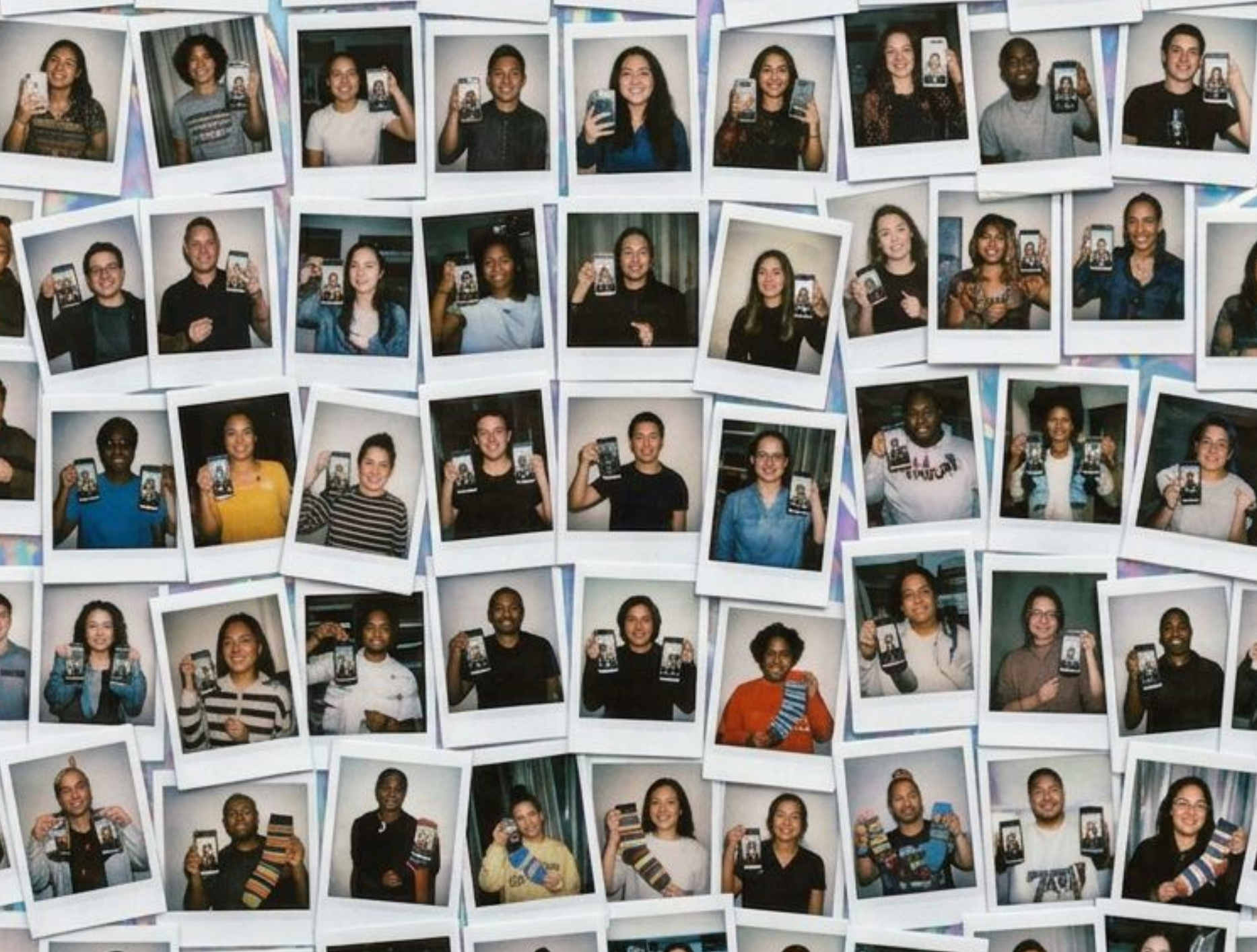
Every brand has them. They are the customers who tag you unprompted, recommend you in group chats, post about the product after six months of using it, and defend you in comment sections without being asked. They have no brief, no contract, and no financial incentive.
Patel calls these people brand missionaries. The term is useful because it captures something the word "advocate" doesn't quite reach - the element of genuine belief. A missionary isn't performing advocacy. They already believe.
And because they already believe, what they say carries a weight that no sponsored post can replicate.
This is not sentiment. It's a performance gap that shows up in conversion data. Bazaarvoice research found 161% higher conversion rates when shoppers interact with customer content on product pages. Stackla's data found customers 2.4x more likely to engage with customer-created content than brand-created content. Wyzowl found 72% of consumers trust a brand more after seeing genuine video testimonials from real customers.
These are not small differentials. They suggest that moving from brand-manufactured content toward real customer content - at any point in the purchase journey - moves the dial on conversion in ways that creative quality alone cannot.
The Problem With "UGC" as It's Usually Done
Here's where most brands get stuck. They understand the value of genuine customer content in theory, but their approach to collecting it is informal and legally fragile.
"UGC" - user-generated content - is the industry term for anything customers create and share publicly. An Instagram tag. A TikTok unboxing. A photo review. It's content you didn't commission, which is exactly why it's trusted. The problem is that most of it is inaccessible for commercial use.
A customer posts a photo on Instagram. You want to run it as a paid social ad. That requires explicit consent covering advertising use - not a screenshot of their tagged post, not a DM saying "go for it." Documented, time-stamped permission that survives a FTC compliance review. And most brands don't have it.
So they sit on a library of genuinely great content from actual customers who love the product, and can't legally use any of it in the places that matter most.
This is where the distinction between UGC and CGC - customer-generated content - becomes practically important.
CGC is content collected directly from customers through a structured submission flow, with rights cleared at the point of upload. The customer submits their photo or video, agrees to usage terms before it goes through, and the brand receives content that is immediately cleared for use anywhere - paid ads, product pages, email, print, wholesale pitch decks. No retroactive permissions chase. No legal exposure.
UGC is what happens by accident. CGC is what happens by design.
"Give Fans Their Flowers"
There's a phrase from Patel's piece worth borrowing directly: the idea of "giving fans their flowers."
For years, the most enthusiastic customers - the missionaries - have been doing free marketing work for brands without acknowledgement. Posting, tagging, referring, defending, creating. Their content funded awareness campaigns the brand never had to budget for. The arrangement was entirely one-sided.
The smartest brands are now closing that loop. Not with points systems or gamified loyalty tiers, but with genuine recognition - something that arrives in the customer's hands and feels like a real thank-you for something they actually did.
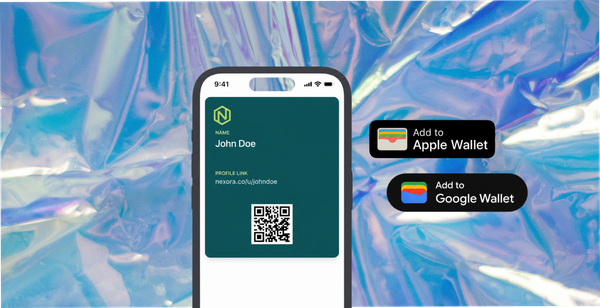
The most effective mechanism for this is simple: after a purchase, invite the customer to submit a photo or video. In exchange, they receive a reward delivered directly to their Apple or Google Wallet - no app download, no account creation, no friction. The reward arrives where the customer already keeps their payment cards and boarding passes. It's there when they need it.
This does two things at once. It incentivises the submission - turning a missionary's latent enthusiasm into a piece of content the brand can actually use. And it deepens the customer's own connection to the brand in the act of contributing. The person who takes a photo of your product and submits it is now a collaborator, not just a buyer. That shift in identity is not a small thing.
Klaviyo's email data consistently shows post-purchase flows with incentives achieve significantly higher engagement than standard transactional emails. The ask lands well when it follows a good experience - and if the experience was genuinely good, the customer already wanted to share it.
Community Equity vs Rented Reach
There's a structural problem with influencer-based reach that Patel identifies cleanly: when you pay a creator, you're renting access to their audience. When the campaign ends, the relationship ends. There is no residual equity, no community that carries forward.
Customer content works differently. Every piece of CGC a brand collects adds to a library that compounds over time. Every customer who submits content deepens their own loyalty while creating an asset that can be used across multiple channels for the life of the brand. The flywheel is self-reinforcing: the customer who creates content about a brand is also more likely to come back, refer a friend, and defend it against competitors.
Brands with strong communities don't just have customers. They have people who would notice and feel something if the brand disappeared tomorrow. That is community equity - and it's built through genuine relationship, not campaign spend.
Adweek's research on creative fatigue shows ad sets typically start losing efficiency within two to four weeks. A healthy CGC library - with fresh customer content coming in regularly - solves the creative refresh problem at a fraction of the production cost, while building something that appreciates rather than depreciates.
How to Build It
The barrier is almost always operational. The brand understands the argument. They just don't have a systematic way to collect customer content at volume, clear the rights, and get it into the channels where it performs.
Informal methods - asking on Instagram, chasing DMs for permissions, relying on review apps for the occasional photo - produce a trickle. They don't produce the volume needed to run a content programme.
What works is a structured post-purchase flow. After delivery confirmation, the customer receives a direct link to submit content - a photo or video of the product in use. Rights are cleared in the submission flow itself. The reward delivers to their wallet. The brand receives a piece of content that is immediately available for paid social, email, product pages, or any other channel.
82DASH is built to run exactly this. It works across Shopify, Lightspeed, Square, SumUp, and any business that can send a post-purchase message - whether that's a restaurant after a reservation, a retailer after an in-store visit, or a DTC brand after a delivery. The Growth plan is $82/month and covers 400 image and 200 video submissions per month, all rights-cleared at upload.
The missionaries already exist in your customer base. They are already out there, enthusiastic and unpaid. The only question is whether you're making it easy for them to share that enthusiasm in a form you can actually use.
Isabelle Simon - Communications Lead - 82DASH
FAQ
What is the difference between a brand missionary and a paid influencer?
A paid influencer is contracted to create content on a brand's behalf. A brand missionary is a genuine customer who advocates without any financial incentive - they simply like the product. Because there's no financial relationship, their content carries more credibility with the audiences who see it. The conversion data reflects this: customer content consistently outperforms paid creator content at the bottom of the funnel.
What is CGC and how is it different from UGC?
UGC (user-generated content) is anything customers create and share publicly - Instagram posts, TikToks, reviews. You don't control how it's created or what rights come with it. CGC (customer-generated content) is content submitted directly to a brand through a structured flow, with rights agreed at the point of submission. CGC is immediately usable across paid ads, email, product pages, and anywhere else. Most UGC isn't, regardless of how good it looks.
Do customers actually submit content when asked?
Yes, with the right ask at the right time. The key factors are timing (post-purchase, when satisfaction is highest), friction (the simpler the submission process, the higher the response rate), and the reward (a tangible, immediately useful incentive - not a discount code buried in an email). Brands using structured post-purchase flows typically see submission rates well above what organic social tagging produces.
Does this mean influencer marketing is dead?
Not entirely. Paid creator content has genuine advantages at the top of funnel - reach, creative variety, rapid testing. The issue is that most brands over-rotate toward paid creators for mid-to-lower funnel activity, where customer trust is more load-bearing than creator reach. A blended approach - using CGC for conversion-stage content and paid creators for early awareness - typically outperforms either approach alone.
What rights do I need to run customer content in paid ads?
Explicit, documented consent covering advertising use specifically. A social tag or a vague "marketing use" clause is not sufficient. With a CGC collection platform like 82DASH, rights are granted at the point of submission - every piece of content arrives with a clear consent record. Without that, retrofitting consent is slow, unreliable, and often fails. Meta's advertising policies require documented rights for any creative you run.