AI UGC vs Real Customer Content: The ROI Comparison
AI-generated UGC is fast and cheap. Real customer content converts better. Here's the data on trust, performance, and ROI - and when each one wins.

There's a question doing the rounds in every Shopify brand's Slack right now: should we be making AI-generated "UGC-style" ads, or should we be investing in collecting real content from actual customers?
The honest answer is: it depends on what you're optimising for. AI-generated content has genuine advantages - and pretending otherwise helps nobody. But real customer content wins where it matters most: trust, conversion, and long-term brand equity. This post breaks down both sides with actual numbers, so you can make the call for your brand.
"when it comes to trust and conversions, human creators still have an edge, especially for anything slightly higher ticket or more personal. People can usually feel the difference, even if the AI stuff looks good.
The sweet spot right now is exactly what you mentioned—use AI to test and find winners, then double down with real creators to scale what’s already working. "
What AI-Generated UGC Actually Is
Let's be clear about terminology, because it gets muddled. "AI UGC" typically refers to one of two things:
- AI-generated video or image ads designed to look like customer-style content - think synthetic influencers, AI voiceovers, or avatar-based product demos
- AI-scripted content fed to real creators, where the human face is real but the words and scenarios are entirely brand-engineered
Neither of these is customer-generated content in any meaningful sense. They're brand content dressed in casual clothing.
That's not necessarily bad - but it is worth naming accurately, especially since the FTC has been increasingly clear that synthetic or paid content must be disclosed. Running undisclosed AI content as organic-looking "UGC" in ads is a compliance risk that's only growing.
Where AI-Generated Content Wins
Let's give credit where it's due. AI-generated content has real, practical advantages for brands at certain stages:
Speed. You can produce 20 ad variations in a day without any customer outreach, content collection, or rights negotiation. For testing hooks and formats at the top of funnel, that's genuinely valuable.
Cost at scale. Sourcing, collecting, and editing real customer content takes time and coordination. AI content can cost a fraction of that per unit, which matters when you're running high-volume creative testing.
Consistency. You control every frame. No off-brand backgrounds, no unintentional product misuse, no customer saying something that requires a reshoot.
Accessibility. For brands that are new, or in a category where customers are less likely to share content naturally (think B2B-adjacent products, sensitive health categories), AI content can fill a gap while the customer base grows.
For early-stage creative testing - where you need to find what messaging resonates before committing to a full content collection campaign - AI-generated content can be a reasonable short-term tool.
Where AI-Generated Content Falls Short
Here's where the numbers get uncomfortable for the AI-content advocates.
Trust is the fundamental problem. Nielsen research consistently shows that 92% of consumers trust earned media above all forms of advertising. AI-generated content - however well-crafted - is advertising. It triggers the same scepticism filters in the consumer's brain, because at some level, people know.
The Edelman Trust Barometer has tracked a clear trend over several years: trust in brand-originated content continues to decline, while trust in peer content - real people, real experiences - continues to rise. An AI avatar is about as far from "peer content" as you can get.
Performance data backs this up at the campaign level:
- Bazaarvoice found a 161% higher conversion rate when shoppers interact with real customer content versus brand content
- Stackla found customers are 2.4x more likely to engage with customer-created content than brand-created content
- Wyzowl found 72% of customers say they trust a brand more after seeing positive video testimonials from real customers
These aren't marginal differences. They suggest that as you move customers down the funnel - from awareness to consideration to purchase - the authenticity of your content becomes increasingly load-bearing.
There's also a growing platform problem. Both Meta and TikTok have introduced detection and labelling systems for AI-generated content. Organic reach for flagged content is suppressed on some platforms. Paid inventory rules are tightening. The brands that built their creative operations around AI content are already navigating a shifting landscape.
The Trust Gap Is Measurable
It's worth dwelling on this for a moment, because it's the crux of the debate.
Trust is not a soft, unquantifiable thing in e-commerce. It shows up in hard metrics: add-to-cart rate, checkout completion, return rate, review volume after purchase. Brands with higher trust scores typically see lower acquisition costs and higher customer lifetime value - the two numbers that determine whether a Shopify business is actually healthy.
AI-generated content, however good it looks, cannot generate the trust that comes from a real person having a real experience with your product. The Edelman data on this is consistent year over year: consumers are getting better at identifying brand-manufactured content, and their response to discovering it is rarely neutral.
The brands winning on paid social right now are not the ones with the most polished creative. They're the ones whose content feels the most real. That's a structural advantage that's very difficult to manufacture.
When to Use Each: A Practical Guide
This isn't an either/or decision for most brands. Here's a framework:
Use AI-generated content when:
- You're in the earliest testing phase and need rapid creative variation to identify winning hooks
- You're in a category with limited organic content sharing (niche B2B, sensitive health products)
- You need to fill gaps in your content library while a real customer content programme scales up
- The content is clearly labelled and you've confirmed it meets FTC disclosure requirements
Use real customer content when: - You're optimising for conversion rather than just reach or CTR
- You're retargeting customers who've already engaged or visited your site
- You're building long-term brand trust and repeat purchase behaviour
- You have the customer base and systems to collect it at scale (more on this below)
The practical truth: most established Shopify brands should be using real customer content for mid-to-lower funnel activity, and may use AI-generated content for top-of-funnel testing only. The mistake is running AI content all the way through the funnel and wondering why ROAS stalls.

Introducing CGC: The Better Standard
There's a third category worth naming here - one that sits above both random UGC and AI content. At 82DASH, we use the term CGC: customer-generated content.
The distinction matters. UGC is a broad category that includes anything customers post anywhere - it's largely ungoverned, often uncollectable for commercial use without significant legal risk, and inconsistent in quality. AI content isn't customer-generated at all.
CGC is different: it's content that customers have directly submitted to a brand, with rights clearance built into the submission process. It's verified, usable, and reflects a real customer's real experience with a product they actually bought.
CGC is more valuable than scraped UGC because:
- Rights are cleared at the point of submission - no retroactive email chains or permissions gaps
- It's submitted directly, so quality and relevance is higher
- The submission act itself signals genuine customer satisfaction (unhappy customers don't submit photos)
- It's defensible under FTC guidelines and platform policies
For a deeper look at how CGC differs from standard UGC, see our full breakdown: CGC vs UGC: What's the Difference and Why It Matters.
Making Real Customer Content Scalable with 82DASH
The objection to real customer content is almost always operational: "We don't have a system for collecting it at scale." That's a solvable problem.
82DASH is a Shopify connected app built specifically to solve it. The way it works:
- After a purchase, customers receive a link to submit photos or videos via a simple branded form
- Rights clearance is built into the submission flow - no separate legal step required
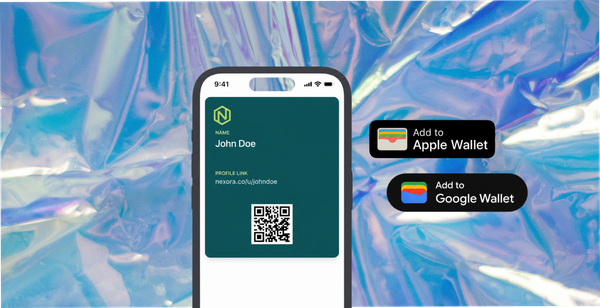
- Customers receive a reward delivered directly to their Apple or Google Wallet - no app download needed
- Every piece of content submitted is rights-cleared and ready to use in ads
The Growth plan is $82/month and covers 400 image submissions and 200 video submissions. Rights are cleared at upload. Install from the Shopify App Store.
For Shopify brands running paid social, this turns your customer base into a continuously refreshed, rights-cleared content library - which is the thing that actually compounds over time, in a way AI content never can.
Isabelle Simon - Communications Lead - 82DASH
FAQ
Is AI-generated UGC legal to run in ads?
It depends on the platform and how it's labelled. The FTC requires disclosure for paid and synthetic content. Meta and TikTok have their own rules around AI labelling. Running undisclosed AI content as if it were genuine customer content is a compliance risk - check the current guidelines for each platform you're running on before launching.
Does AI-generated content perform better than brand content?
In some metrics, yes - particularly CTR. AI-generated content in a "casual" style often outperforms polished brand creative for top-of-funnel attention. But conversion performance, particularly mid-to-lower funnel, consistently favours real customer content in the available research.
What's the ROI difference between AI UGC and real customer content?
The data varies by category and brand, but the directional evidence is clear: real customer content drives higher conversion rates (Bazaarvoice cites 161% higher conversion for content interactions), higher trust scores, and tends to compound over time as a library grows. AI content has lower upfront cost but weaker conversion performance and diminishing trust returns.
How do you get customers to submit photos and videos?
The key is reducing friction and offering a genuine reward. Customers who've had a good experience with your product are often willing to share content - they just need a simple, well-timed ask and a worthwhile incentive. Post-purchase is the highest-intent moment. Tools like 82DASH make this a systematic, automated flow rather than a manual ask each time.
What counts as "rights-cleared" customer content?
Rights-cleared content is content where the creator has explicitly granted your brand the right to use it commercially - in ads, on your website, in emails, etc. This should be done at the point of submission rather than retroactively. Scraping Instagram or repurposing a tagged post without explicit consent is not rights-cleared, regardless of how grateful the customer was when they posted it. For a full guide, see: Rights-Cleared UGC for Shopify Ads.