Shopify UGC Strategy: Build a Customer Content Library 2026
Most Shopify merchants are sitting on customer content they can't use. Here's how to build a UGC strategy that collects, clears rights, and actually converts.
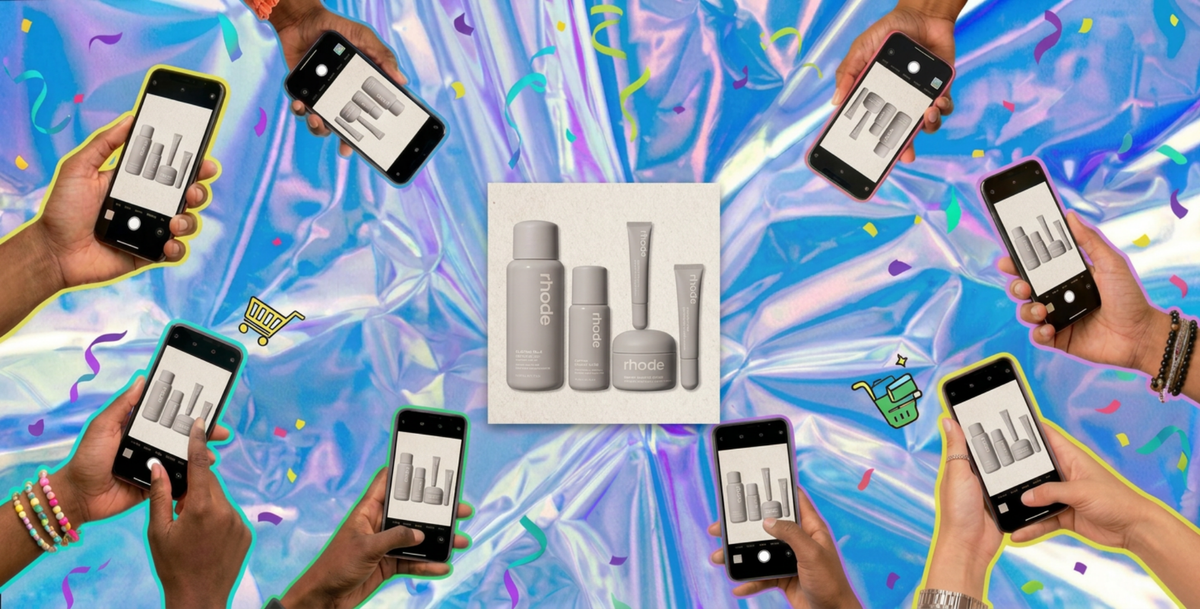
You've seen the posts. A customer shares a photo of your product - great lighting, real excitement, exactly the kind of image you'd spend $800 on a shoot to replicate. You save it. You screenshot it. You think: "I need more of this."
Then it sits in a folder and never gets used. Because you don't have permission, don't have a system, and the next campaign brief is already due.
That's not a UGC problem. It's a strategy problem. And it's one of the most common things Shopify merchants get wrong.
"A real photo from a real customer in a real moment beats a $2k influencer reel. Not because it looks better - it usually looks worse. It wins because people can tell what's real and what isn't. They always could, and they're getting better at it every day." - r/CustomerContent
This guide is the fix. A complete Shopify UGC strategy - from how to collect content, to how to clear the rights, to how to use it across every channel that actually drives sales.
Why Most Shopify UGC Strategies Fail Before They Start
Most Shopify merchants approach UGC the same way: wait for customers to tag them on Instagram, repost the best ones, and hope for the mill. Sometimes they run a hashtag campaign. Sometimes they email customers asking for a photo.
The results are inconsistent. The quality is unpredictable. And underneath it all is a legal grey zone that almost nobody talks about.
Here's the problem with relying on Instagram tags and reposts: a tag is not a licence. If a customer posts a photo of your product and you repost it to your brand account, you're using their creative work. If you then take that same photo and run it in a Meta ad - even if the customer tagged you, even if the photo went viral - you're using that content commercially without their permission. Under copyright law in the US, UK, and EU, that's infringement. The FTC is explicit that disclosure requirements apply to repurposed customer content used in advertising, and the UK ICO treats customer images used in marketing as personal data.
This is why a passive UGC strategy - wait, repost, hope - doesn't scale. You end up with a content library you can't confidently use anywhere that matters.
A Shopify UGC strategy that works is built around collection, not curation.
UGC vs CGC: Why the Source Changes Everything
If you're searching for a Shopify UGC strategy, it's worth understanding a distinction that most tools and tutorials don't make clearly.
UGC (user-generated content) is anything customers post publicly - on Instagram, TikTok, Facebook, in reviews. You can display it, reference it, and build social proof from it. But you don't own it. You didn't commission it. And unless you have explicit permission, you can't use it in paid ads, email campaigns, or anywhere with commercial intent.
CGC (customer-generated content) is content customers create and submit directly to you - through a dedicated flow, with rights cleared at the point of submission. You own it outright. You can use it in ads, email, packaging, wholesale decks, in-store displays, anywhere.
What most Shopify brands actually need is CGC. They just don't have a system for collecting it.
The Shopify Enterprise blog highlights brands like Glossier and Allbirds as examples of CGC done right - they've built content libraries from actual customers, not professional shoots. The common thread: they asked directly, made it easy to submit, and gave customers a reason to participate.
According to Bazaarvoice, shoppers who interact with customer content convert at 161% higher rates than those who don't. Stackla research shows customer content drives 2.4x more engagement than brand-created content. These numbers hold because the content is real - and buyers can tell.
The Four Types of Customer Content Worth Collecting
Not all customer content is equal for Shopify brands. Here's what to prioritise and why:
1. Product-in-use photos
The single most valuable asset for any Shopify brand. A customer wearing your jacket in a real setting. A dog eating your treats. A kitchen counter with your olive oil mid-recipe. These outperform studio photography in ads, on product pages, and in email because they answer the question every buyer has: "What does this actually look like in real life?"
2. Before/after photos
Essential for beauty, skincare, fitness, and home categories. Real transformation evidence - not curated, not staged - converts better than any claim you can put in ad copy. Yotpo data consistently shows before/after imagery in the top-performing creative types for DTC brands.
3. Video reviews and testimonials
Video reviews generate significantly higher engagement than text or photo alone. A 15-30 second clip of a real customer explaining why they love a product is the closest thing to a word-of-mouth recommendation at scale. YouTube is full of tutorials showing how brands embed customer video on product pages - this overview by Shopify explains why Shopify doesn't natively handle this and why a dedicated collection tool matters.
4. Feedback and insight submissions
Not every customer wants to be photographed. Form-based submissions - NPS responses, open-ended feedback, survey answers - give you a different kind of signal: what customers actually think. This content feeds product development, email copy, ad creative, and customer success. It's often the most overlooked type in a UGC strategy.

How to Actually Get Shopify Customers to Submit Content
The biggest objection from merchants is: "I've asked before and no one responds."
Two things cause low response rates. First, the ask is poorly timed - usually a bulk email weeks after delivery when the excitement of receiving the order has long passed. Second, there's no compelling reason to respond - a vague request with no reward, no urgency, and no simplicity.
Here's what works:
Timing: The ask should land within 48-72 hours of confirmed delivery. That's when the product is new, the experience is fresh, and the customer is most likely to be engaged. Post-purchase flows in Shopify Email or Klaviyo can automate this precisely.
Incentive: Match the reward to the ask. A text review or basic star rating - a small discount (10-15%) is fine. A photo submission - a meaningful wallet reward, a larger discount code, or a curated gift. A video testimonial - product credit, a free item, or a premium reward. Research from ecommerce retention platforms shows incentivised submission programmes generate 15-25% response rates vs 5-15% for unincentivised requests.
Simplicity: The fewer steps between "receive the email" and "submit the content", the higher your response rate. A single link that opens a branded submission page - no account required, no app to download - is the standard to aim for.
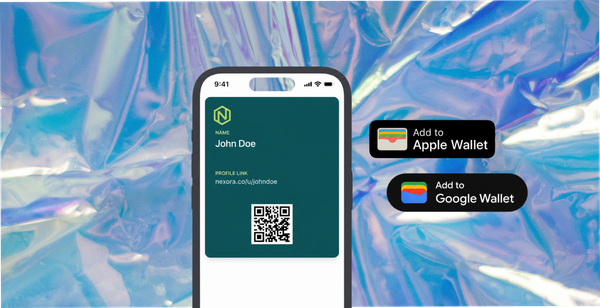
Wallet delivery: One of the highest-converting reward mechanics for content submissions is instant delivery via Apple or Google Wallet. The customer submits their photo, the reward lands on their phone within seconds as a wallet pass. No voucher code to copy and forget, no email to dig out later. The reward is live, visible, and redeemable on their next purchase.
Rights Clearance: The Part Most Shopify UGC Strategies Get Wrong
This section is short because it should be simple: any customer content you intend to use commercially needs explicit permission.
That permission needs to cover:
- The specific channels you'll use the content on (ads, email, product pages, packaging, social)
-
- The duration of use
-
- Any modifications (cropping, colour correction, compositing)
-
- Whether the customer is identifiable in the content
The easiest way to get this right is to bake the rights agreement into the submission flow. When a customer submits a photo through your collection page, they're agreeing to your licence terms at that moment - before the content is collected, not after. This is the approach the FTC's 2024 endorsement guidelines point toward: documented, specific consent rather than implied permission from a tag.
Our complete rights-clearance guide for Shopify ads covers every channel in detail - Meta ads, email, email, and print each have different standards and different risk profiles.
How to Deploy Customer Content Across Every Shopify Channel
Content collected with proper rights clearance can work across every surface in your marketing stack:
Product pages: Customer photos alongside or replacing hero imagery. Multiple studies from Bazaarvoice show product pages with customer photos see higher time-on-page and lower bounce rates.
Meta and TikTok ads: Rights-cleared customer content outperforms studio creative at a fraction of the cost. You're not buying creative - you're rewarding customers for content they were going to create anyway.
Email: Customer photos in post-purchase emails, re-engagement sequences, and abandoned cart flows add social proof at exactly the moment a buyer is deciding whether to return. Our email rights clearance guide covers what you need in place before using customer content in Klaviyo or Shopify Email.
Packaging and print: The highest-rights-bar channel - content used on physical packaging needs the strongest licence terms because recall is impossible. Covered in detail in our packaging rights guide.
Organic social: The lowest-friction use case. With rights cleared, you can reshare, repost, and build brand content without the legal risk of assuming a tag is permission.
Wholesale and pitch decks: Showing stockists, buyers, and press real customer content - rather than studio shots - is an increasingly effective tool for demonstrating brand authenticity.
How 82DASH Automates Your Shopify CGC Strategy
A UGC strategy built on manual requests, DM follow-ups, and informal permissions doesn't scale past about 50 orders a month. After that, the system breaks.
82DASH is built for Shopify brands that want to run a CGC strategy at scale - without a content team managing it full time.
Here's how it works in practice:
1. Create a submission campaign. Set up a branded collection flow in minutes - photo, video, form, or any combination. Define your reward type: instant, by selection, or loyalty threshold.
2. Rights are cleared at submission. Every customer who submits through 82DASH agrees to your licence terms at the point of upload. The rights record is stored automatically - you can surface it in seconds if you ever need to prove consent.
3. The reward lands on their phone. Instant rewards are delivered via Apple or Google Wallet - no app download, no voucher code. The pass lives on the customer's phone and can be redeemed against their next order.
4. Push notifications keep them engaged. Once a customer has your wallet pass, you can send push notifications for new campaigns, sales, and re-engagement - with open rates that make email look slow.
5. Dynamic QR codes connect the physical and digital. Print a QR code on your packaging insert once. Redirect it to any campaign from your 82DASH dashboard, any time - without reprinting. A seasonal campaign change is a URL update, not a print run.
The Growth plan at $82/month covers up to 400 photo and 200 video submissions per month with rights cleared at upload. Install directly from the Shopify App Store.
Isabelle Simon - Communications Lead - 82DASH
Shopify UGC Strategy: Frequently Asked Questions
How many customer photos do I actually need before it's worth building a strategy?
Ten is enough to start testing on product pages and email. Twenty is enough to start running paid creative tests. A systematic collection programme will get most Shopify brands to 50+ usable pieces of content within the first 60 days. The value compounds as the library grows - more content means more creative testing, which means better ad performance over time.
Can I use content from my existing Instagram tags?
Yes, but not without asking first. Reach out directly, explain how you'd like to use the content, and get written agreement that covers the specific channels. For anything beyond organic social - paid ads, email, packaging - a proper licence agreement is worth doing properly. Our rights-clearance guide covers what that needs to say.
What's the difference between a UGC app and a UGC strategy?
A UGC app (Moast, Cevoid, Foursixty, Loox) helps you display content pulled from Instagram on your storefront. Useful for social proof on product pages - but you're working with content you don't own. A UGC strategy is the whole system: how you collect, clear rights, reward customers, and deploy content across every channel. The app is one output of the strategy, not the strategy itself. Our collection vs display guide breaks down the distinction in detail.
How do I reward customers without it looking like I'm buying reviews?
The FTC is clear on this: incentivised content is fine as long as there's disclosure. That means: the customer knows the reward exists before they submit, and any content used in advertising is disclosed as coming from an incentivised customer. What you're rewarding is the submission, not the sentiment - customers who receive a wallet reward and had a bad experience can still say so. The reward is for the act of sharing, not for saying something nice. Our incentivised reviews guide covers this in full.
Does this work for lower-AOV products?
Yes, with reward sizing adjusted accordingly. A $20 product can support a 15-20% discount reward. The content it generates can run in ads that acquire new customers at lower CAC - the maths works because you're amortising the reward cost across every ad impression the content generates. A single strong customer photo used in a Meta campaign can deliver returns that dwarf the cost of the original reward many times over.
Further Reading
Shopify Customer Content Strategy: The Complete Guide 2026
Shopify UGC: Collection vs Display Explained
Rights-Cleared UGC for Shopify Ads: The Complete Guide
How to Collect Customer Photos on Shopify and Reward via Apple Wallet
Shopify Influencer Content vs Customer Content: Rights, Costs, ROI