Shopify Customer Photos in Email: Rights Clearance for Klaviyo and Shopify Email
Email feels like a closed channel - it isn't. Customer photos in Klaviyo or Shopify Email need rights cleared the same way as paid ads. Here's the rights guide for the email channel.

The product page rights are sorted. The Meta ads have proper rights records. The brand has been disciplined about both.
Then the email manager pulls a customer's testimonial photo into the next Klaviyo campaign because "it's just an email" - and the rights stack the brand carefully built falls down.
Email feels like a closed channel. It isn't. From a rights perspective, a customer photo in a Klaviyo automation, a Shopify Email broadcast, or an abandoned cart flow is a commercial use of copyrighted work to a defined audience the brand selected. The legal basis is the same as a paid social ad. The compliance risk is the same. The discipline needs to be the same.
This is the rights guide for customer photos in Shopify email.
Why Email Rights Matter As Much As Ad Rights
Three reasons email is held to the same rights standard as paid advertising:
Commercial use. Promotional email is unambiguously commercial. It's sent to drive conversion, retention, or revenue, and is treated as advertising under the FTC's CAN-SPAM Act, the UK Privacy and Electronic Communications Regulations, and equivalent regimes in the EU and Australia. The fact that the audience opted in to receive it doesn't change the commercial nature of the use; it just changes the consent for the channel itself.
Audience selection. (The Meta Ads rights checklist covers the parallel paid-social standard.) A Klaviyo flow segments customers into specific audiences (cart abandoners, first-time buyers, VIP cohort, lapsed customers). The brand selects which customer photos appear in which segment's email. That's the same act as selecting which photos appear in a Meta ad targeting the same segments.
Permanent record. Emails sit in customer inboxes potentially indefinitely. A customer photo used in a Klaviyo flow lives in every recipient's mail folder until they delete it. Recall is impossible in the way it isn't for an ad that comes down on campaign end.
The mistake most Shopify brands make is treating email as a softer channel because it lacks the platform-level enforcement of Meta or TikTok. The legal exposure is identical. The platform-level enforcement is just absent until something goes wrong.
The Email Rights Checklist
Every customer photo in a Shopify email flow should clear all of the following:
1. Documented commercial-use permission. Permission that explicitly covers email marketing, not just "social media use" or "your website." The wording matters - "email marketing including but not limited to promotional, transactional, and lifecycle automations" closes the gap.
2. Permission for the specific use cases. Replenishment reminders, cart abandonment, post-purchase, win-back, VIP, and broadcast all count as separate use cases. Generic permission usually covers them; channel-specific contracts may not.
3. Disclosure where required. If the customer received an incentive for the content, the email needs to make that clear. The FTC's endorsement guidelines apply to email the same way they apply to social ads. A small "received in exchange for a discount" line in the email closes the disclosure gap.
4. Identifiability handled. If the customer is identifiable in the photo (face visible, named in the caption), the permission should reflect that. If the brand intends to crop or anonymise, that should also be agreed.
5. International considerations. GDPR (EU/UK) and CCPA (California) treat customer images as personal data, per published guidance from the UK Information Commissioner's Office and the California Office of the Attorney General. The customer's permission should explicitly cover data processing for marketing communications, and the brand's privacy policy should reflect this use.
6. Right to modify. Email creative is routinely cropped, animated into GIFs, or composited with brand graphics. The permission should allow this.
7. Rights to other people in the photo. A customer's photo of themselves with the product is straightforward. A photo including other identifiable people requires their consent too. Most submission flows resolve this by asking the submitter to confirm everyone in the photo has agreed.
8. Withdrawal mechanism. A way for the customer to revoke permission and a process for honouring the withdrawal across all live flows. Klaviyo and Shopify Email both make it possible to remove an asset from active flows; the operational discipline of doing so when revocation is requested is the gap that needs closing.
9. Source documentation. A retrievable record of the rights agreement. A submission record stored in your customer content platform satisfies this.
10. Term and territory. Most email programmes need perpetual or open-ended rights because email assets stay in flows for years. A 90-day rights window doesn't fit how lifecycle email actually operates.
Klaviyo, Shopify Email, and Beyond: The Tool Doesn't Change the Standard
Some operators believe Klaviyo's terms of service or Shopify Email's policies grant the brand additional rights to use customer content. They don't.
Klaviyo's terms require the brand using the platform to confirm they have rights to the content they upload. Klaviyo doesn't grant rights; it requires them. The same applies to Shopify Email, Mailchimp, Campaign Monitor, Iterable, and every other email platform.
The platform's policy is, in effect, a downstream check that the brand has done its work upstream. If the brand can't produce the rights documentation when challenged, the platform terms are violated and the use is exposed.
The Lifecycle Email Stack and What It Demands
Each Shopify lifecycle email type has slightly different rights considerations:
Welcome series. Customer photos in a welcome series typically appear as social proof. Engagement benchmarks from Klaviyo, Mailchimp, and Litmus consistently rank welcome series among the highest-engagement automations in any Shopify email programme. The rights need to cover broad audience use because the welcome series sees every new subscriber. Standard email-marketing permission covers this.
Post-purchase. Customer photos showing how a product is used in real life (we cover the broader post-purchase mechanic in our second-order playbook). Rights need to cover post-purchase commercial use. Permission collected at the time the photo was originally submitted typically covers this if it's drafted properly.
Replenishment and cart abandonment. Customer photos used to drive a specific behaviour (restock, return to cart). Rights are commercial-use; permission language matters less than the disclosure question - if the photo is from a customer who received an incentive, that should be visible in the email.
Win-back and lapsed-customer. Often features customers showing results or experiences as motivation. Rights breadth needs to extend to communicating with no-longer-active customers, which standard email-marketing permission covers.
VIP and rewards-tier emails. Often features customer photos as community-building. Rights are similar to broadcast email. Permission for use specifically in VIP communications can be folded into the standard permission.
Broadcast and campaign emails. The widest audience use. Rights need to cover the full subscriber base and any segments the brand sends to. Standard email-marketing permission covers this.
The takeaway: a single, well-drafted rights agreement at submission covers every email type a Shopify brand runs. The complexity is operational, not legal.

The Collection Flow That Produces Email-Ready Rights
The pattern that produces customer content with rights cleared for email use:
Direct submission with explicit email-marketing language. The customer agrees to a permission covering use across paid ads, organic social, email marketing including all lifecycle and broadcast emails, product pages, print, and packaging. The breadth is captured in plain language.
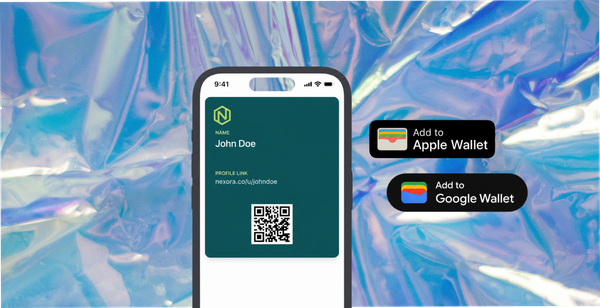
Reward delivered through wallet pass. A wallet pass with a discount lands on the customer's phone. The reward is the incentive that drives participation; the disclosure of that incentive in any email use is built into the brand's email template library.
Linked to Shopify customer record. The submission ties to the customer's Shopify ID. When that customer is in a Klaviyo flow, the brand can pull rights-cleared content specific to them - including the option to feature their own photo in their own follow-up emails.
Withdrawal handled at platform level. When a customer revokes permission, the rights-cleared content platform pulls the asset from all active surfaces, including email flows that reference it.
This is the workflow 82DASH is built around for Shopify. Customers submit through a Shopify-integrated landing page; rights are cleared at upload; the wallet pass reward delivers immediately; the brand receives a content library with retrievable rights records that satisfy email platform requirements.
The Growth plan at $82/month covers up to 400 photo and 200 video submissions per month. Install directly from the Shopify App Store.
Internal Review Before Customer Photos Go Into Email Flows
A pre-flight check for the team building the email automation:
- Does the rights agreement for this asset explicitly cover email marketing? (Yes / No)
- Does the customer's permission cover the specific email use case (welcome, post-purchase, replenishment, broadcast)? (Yes / No)
- Was the customer compensated for the content, and is that disclosed appropriately in the email? (Yes / No)
- Will the email be sent to international audiences subject to GDPR or CCPA? If so, is data processing for marketing covered in the customer's agreement? (Yes / No)
- Is the asset retrievable from a rights record in 60 seconds? (Yes / No)
- If the customer revokes permission tomorrow, is the takedown process for active email flows defined? (Yes / No)
A no on any line stops the email until resolved. Build this into the email creative review the same way it should be built into the ad creative review.
What to Do With Tagged Social Photos in Email
The tagged-Instagram-photo problem in ads applies equally to email. A customer's social tag is not a licence; using a tagged photo in a Klaviyo email is a copyright use without permission and an FTC disclosure miss if the tag was prompted by an incentive. (For a structured way to assess what you currently hold across surfaces, see our customer content rights audit guide.)
Two paths to clean rights:
- Reach out to the customer, secure explicit permission for email use, document the response, and only then deploy.
- Move the email creative to a rights-cleared customer content library and stop pulling from social tags.
The second path is cleaner, faster, and produces compounding inventory. The first works for a small number of high-value posts.
Isabelle Simon - Communications Lead - 82DASH
Frequently asked questions
Does the FTC's endorsement rule apply to email the same way it applies to social ads?
Yes. The FTC's endorsement guidelines apply to "any form of advertising" including email. If a customer received an incentive for the photo or testimonial used in an email, the email needs to disclose the material connection clearly. A small disclosure line in the email satisfies this; vague terms or omission do not.
Do I need separate rights to use a customer's review quote in email versus their photo?
If the rights agreement covers customer-submitted content for use across commercial channels, both photo and quote are typically covered. If the agreement is photo-specific, separate permission for the quote may be needed. The cleanest approach is a unified rights agreement at submission covering all formats (photo, video, written content, audio).
Can I use Klaviyo's review widget to display customer content in email?
Klaviyo's review integration pulls review content from review platforms (Yotpo, Loox, Junip, etc.). The rights to use the review in email come from the platform's terms with the customer, not Klaviyo's terms. Verify what rights the review platform secures from the customer at the point of review submission - some are narrow (display on the brand's product pages only) and some are broad (commercial use across channels).
What about user-generated content I bought from a creator marketplace?
UGC marketplaces (Insense, Trend, Billo) typically grant the brand specific rights for specific channels. Verify the contract covers email use before deploying. Many marketplace agreements default to paid social only and require an extension fee for email use.
Do I need rights to use a customer's photo in a transactional email?
Transactional email is typically defined narrowly (order confirmations, shipping notifications) and may not require the same commercial-use permission as marketing email. If the customer photo is used for a transactional purpose (e.g. confirming the customer's order with a thumbnail of their submitted photo), narrower rights may apply. Most Shopify brands use transactional emails for transactional content only, which avoids the question entirely.
How does this apply to SMS marketing alongside email?
SMS is a parallel commercial channel with similar rights treatment. A photo MMS sent through a customer SMS platform requires the same level of rights as an email image. The rights agreement at submission should cover SMS marketing if the brand uses MMS as part of its lifecycle programme.
Further reading
Shopify Customer Content Strategy: The Complete Guide 2026
Rights-Cleared UGC for Shopify Ads: The Complete Guide
How to Collect Customer Photos on Shopify and Reward via Apple Wallet