Can You Ask Your Customers for UGC?
Yes, you can ask your customers for content. And the brands not doing it are leaving their best creative on the table. Here is why the passive UGC assumption is wrong, what you are actually allowed to do, and how to build a collection flow that generates content consistently.
Yes. And the brands not doing it are leaving their best content on the table.
There is a widespread assumption in ecommerce marketing that UGC has to be organic - that you post the right aesthetic, build the right community, and customers spontaneously start tagging you in content that you then get to repost. The brand's job, in this version, is to create the conditions for UGC to happen and then wait.
This assumption is wrong, and it is costing brands a significant amount of content they could be collecting.
You can ask your customers for content. You can ask directly, you can ask repeatedly (at the right moments), you can offer a reward for it, and you can structure the request so that the content arrives rights-cleared and immediately usable. None of this makes the content less genuine. A customer who was asked to submit a photo of how they use a product, and did, is still a real customer with a real opinion about a real product. The photo is still genuine. The experience behind it is still real.
The difference between waiting and asking is not the quality of what you get. It is the volume.
"Reaching out to customers directly works surprisingly well, even without an incentive, especially when focusing on those who already love the brand. When you ask, make sure your message shows genuine appreciation. Let them know their input matters, and consider adding them to an exclusive list where they get early access to sales, discounts, or new products. Contests also work, but be sure they're designed to generate valuable content beyond the moment so you build a strong library of authentic, reusable posts."
Why Brands Think They Cannot Ask
The passive UGC assumption has a few sources.
The first is platform culture. Instagram, TikTok, and Pinterest built their identities around organic discovery - the sense that content is genuinely spontaneous and unsponsored. Brands that grew audiences on these platforms in the early years benefited from that authenticity signal and were wary of anything that looked staged. Asking customers for content felt like it would break the spell.
The second is the influencer model. When brands started paying creators to produce content, the clear line between paid and organic became legally and ethically important. FTC disclosure rules require paid creators to identify the commercial relationship. Brands that conflated "paid creator content" with "customer content" ended up wary of any request that looked like a commission.
The third is a genuine confusion between incentivising reviews and buying them. Review platforms like Trustpilot and major marketplaces have strict policies against offering incentives in exchange for positive reviews. Those policies are specific to review sentiment - you cannot pay someone to say something nice. They do not prohibit asking for a review, and they do not apply to photo or video content submissions that are separate from the review system.
None of these reasons actually prohibit asking customers for content. They explain why some brands developed a habit of not asking - not why asking is wrong.
What You Are Actually Allowed to Do
You can ask every customer who buys from you to submit a photo, a video, or a review. You can offer a genuine incentive - a discount, store credit, a wallet pass reward - for doing so. You can specify what kind of content you want and give the customer guidance on how to produce it.
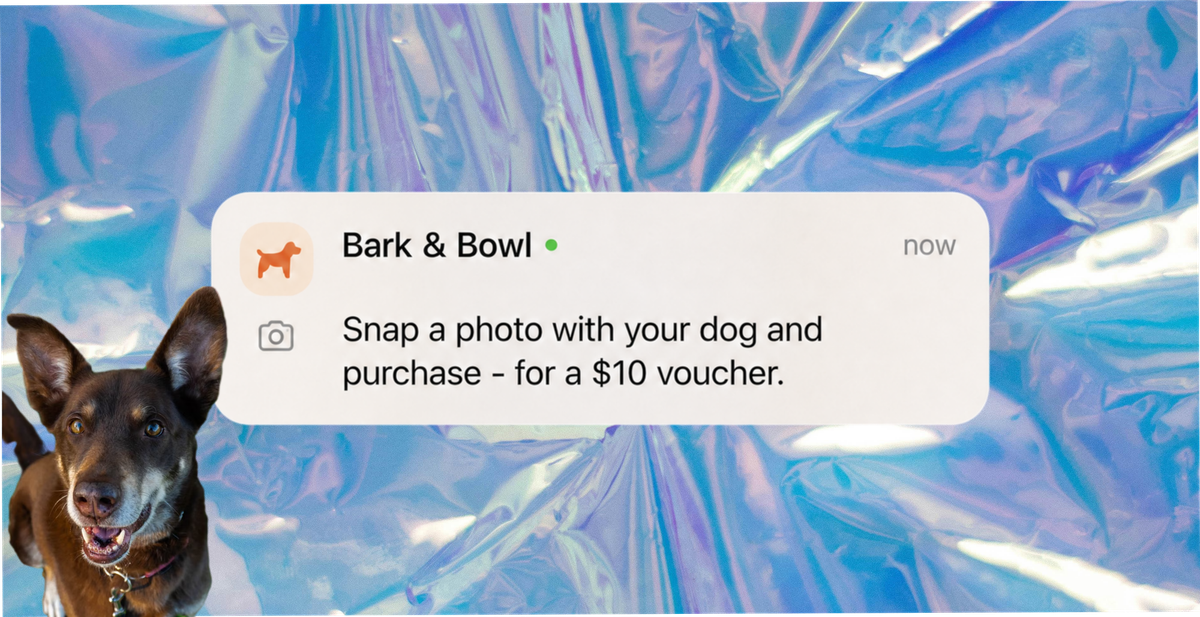
What you cannot do is make the incentive conditional on positive sentiment. "Submit a photo and get $10 off" is fine. "Submit a five-star review and get $10 off" is not - that is purchasing a rating, which violates the terms of most review platforms and FTC endorsement guidelines.
The distinction matters: you are asking for content (a genuine artefact of the customer's experience), not asking for a rating (a verdict). A customer who submits a photo of your product in their home is sharing something real. They received a reward for the effort of sharing it, not for saying something specific about it.
How 82DASH looks after rights management covers what the consent model looks like in practice - specifically how the terms at submission make the intended uses of the content clear to the customer before they submit.
The Difference Between Asking and Waiting
Brands that wait for organic UGC get a fraction of the content available to them.
A customer who loved your product, used it, and photographed it may or may not post it publicly. If they do post, they may or may not tag the brand. If they tag the brand, the brand may or may not see it. If they see it, they still need to ask for rights before using it commercially - and that retroactive permission ask has a low response rate and produces unclear documentation.
The total yield from this chain is low. Most brands running on organic UGC are capturing a fraction of the content their customers are generating, with unclear rights on what they do capture. Skeepers research on UGC collection methods finds that brands who actively request content at the right post-purchase moment see submission rates of 15-30%, compared to 1-3% for those relying on unprompted organic sharing.
Brands that ask directly change all of these ratios. The content request goes to every customer in the post-purchase sequence. The brief tells the customer exactly what to submit. The submission form collects the content and consent in a single step. The brand sees everything that comes in, rights-cleared, organised by product.
The yield from a well-run collection flow is typically 3-6% of order cohorts - lower than organic social in terms of sentiment (you get average customers, not just the most enthusiastic), but dramatically higher in volume and far more usable commercially.
The Shopify post-purchase flow that builds a content library covers the four-stage sequence that makes this work.

How to Ask Without It Feeling Awkward
The reason asking feels awkward to some brands is usually that the ask is badly designed. "Share your experience with us" sent three days after delivery is awkward because it is vague, it arrives before the customer has had time to form an experience worth sharing, and it offers nothing in return.
A well-designed ask does not feel awkward. It feels like a straightforward transaction between the brand and the customer.
The elements that make it work:
Timing. Ask after the customer has had the product long enough to use it. For most physical products, this means 10-14 days after confirmed delivery. Too early and the customer has nothing to show. Too late and the novelty has faded.
Specificity. Tell the customer exactly what you want. "A 30-second video of how you use it in the morning" is a brief the customer can act on immediately. "Share your experience" is an open creative problem that most people will not bother to solve.
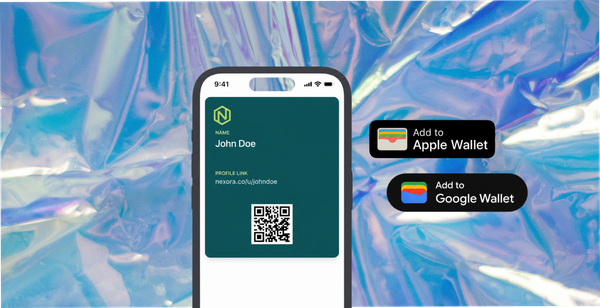
A genuine reward. Acknowledge that the customer's time and effort has value. A $10-$15 wallet pass delivered directly to Apple or Google Wallet is a reward the customer can actually use - it lands on the home screen, not in the promotions folder.
A simple submission path. A single link that opens a mobile-optimised form, runs in under two minutes, and requires no account creation removes every unnecessary obstacle between "I want to do this" and "done."
How to write a content request that actually gets responses covers the brief structure decisions that affect submission rate.
CGC Is UGC You Asked For
The distinction between UGC (user-generated content) and CGC (customer-generated content) is relevant here.
UGC in its original meaning described content created spontaneously by platform users - reviews, posts, comments, photos shared without brand involvement. CGC is the subset of that content created specifically by customers of a brand, often through a structured collection process the brand controls.
The reason the distinction matters: CGC is not less authentic because it was requested. A customer who submits a photo through a brand's collection form is still a real person sharing a genuine experience. Bazaarvoice and Yotpo both publish data showing that incentivised customer content performs identically to unincentivised content on conversion lift and trust metrics - what matters to the next buyer is that the content came from a real customer, not how the brand asked for it. The content is not scripted. The sentiment is not purchased. The submission process simply makes it possible for the brand to collect this content systematically, clear the rights at source, and deploy it across paid ads, email, and product pages without the legal and logistical problems that come with retroactively requesting permission from people who posted something publicly.
CGC vs UGC: rights, quality, and ROI explained covers the full distinction and why it matters for how brands structure their content operations.
What Happens When You Start Asking
The immediate effect is volume. A collection flow running on every order cohort generates a consistent stream of new content - photos, videos, and reviews arriving every week without any outreach effort beyond the automated email sequence.
The compounding effect is the library. A brand shipping 400 orders per month with a 4% submission rate is adding 16 new pieces of content per month. After a year, that is 192 pieces - enough to rotate ad creative without fatigue, update product pages with fresh imagery, and personalise email content by product category. The library does not reset. Content collected in month one is still in rotation in month twelve.
The strategic effect is the shift from reactive to proactive. Brands waiting for organic UGC are at the mercy of what customers choose to share and where they choose to share it. Brands running a collection flow decide what they ask for, when, and in what format. The content that arrives is the content the brand actually needs.
82DASH runs the collection flow, rights clearance, reward delivery, and content library for Shopify brands that want to move from waiting to asking.
Isabelle Simon - Communications Lead - 82DASH
Frequently Asked Questions
Is it legal to ask customers to submit photos or videos for your brand?
Yes. Asking customers to submit content is legal. The legal requirements come in at the point of use: before deploying customer content in paid ads, email, or on your website, you need documented consent from the customer covering those specific uses. The cleanest way to obtain that consent is at the point of submission, through a form with clear terms. That makes every submission rights-cleared from the moment it arrives.
Can you offer a reward for customer content without it breaking FTC rules?
You can offer a reward for content submission - a discount, store credit, or a wallet pass reward - without violating FTC endorsement guidelines, as long as the reward is not conditional on positive sentiment. "Submit a photo and get $10 off" is permissible. "Submit a five-star review and get $10 off" is not. The distinction is between rewarding the act of submitting content (which is fine) and purchasing a specific rating or verdict (which is not).
Does asking for content make it less authentic?
No. A customer who was asked to submit a photo of how they use a product and chose to do so is still a real customer sharing a genuine experience. The request did not change the product, the experience, or the customer's honest response to it. Authenticity in customer content comes from the content being genuinely from a real customer - not from the customer having decided to share it without being asked.
What is the difference between asking for UGC and buying reviews?
Asking for UGC (or CGC) means requesting content - a photo, a video, a written account of an experience - in exchange for a reward. Buying reviews means offering payment for a positive rating or verdict. Most review platforms prohibit the latter because it manipulates sentiment data. Asking for content submission is a different transaction: you are paying for the customer's time and effort, not for what they say.
How many customers will respond if you ask?
At steady state, a well-structured content request with a specific brief and a genuine reward generates submission rates of 3-6% of order cohorts. For a brand shipping 400 orders per month, that is 12-24 new pieces of content per month. Submission rates are sensitive to the quality of the brief (vague requests convert lower), the size of the reward, and the friction in the submission flow.