The Shopify Post-Purchase Flow That Builds a Content Library
Most Shopify brands treat the post-purchase window as a logistics sequence. It is actually the highest-leverage moment in the customer lifecycle for collecting content. Here's the four-stage flow that turns every order cohort into a new round of content acquisition.

Most Shopify brands treat the post-purchase period as a logistics sequence: order confirmation, shipping notification, delivery confirmation. The relationship with the customer is paused until the next campaign.
That window - the days immediately after a customer receives a product they are genuinely pleased with - is the highest-leverage moment in the entire customer lifecycle for collecting content. The customer has just had the experience. Their satisfaction is real and fresh. They are more likely to respond to a direct ask than at any other point.
Brands that build a content-collection layer into their post-purchase flow turn every order cohort into a new round of content acquisition. The flow runs automatically. The content library grows with every shipment. The collection cost is a reward, not a production budget.
Here is how to build it.
"But buyer feedback, which you can only get from buyers, can point to things you might not otherwise see and is priceless. There's simply no better way to know what a visitor wants, likes, or dislikes than to ask them. Getting that feedback is one of the best ways to improve conversions, and sales in general."
Why the Post-Purchase Window Is the Most Valuable Moment
The post-purchase window is the moment in the customer relationship where satisfaction is at its peak and the motivation to share is highest. The customer has bought, received, and used the product. If it delivered on expectations, the goodwill is at its most accessible.
Most brands leave this moment almost entirely untapped beyond transactional email. The order confirmation email generates the highest open rate of any email a brand will ever send - typically 60-70%, according to Klaviyo benchmark data across Shopify merchants. The delivery notification is the second highest. Both are read by customers who are actively engaged with the brand and its product.
The post-purchase sequence is also the moment when asking for content or a review is contextually appropriate in a way it never is again. The customer knows why you are asking. The ask makes sense. A content request six months later, with no transactional hook, feels like cold outreach. A content request ten days after delivery, when the product is in front of them, is a natural follow-on.
Yotpo research on review request timing consistently shows that the window five to fourteen days after confirmed delivery generates the highest review completion rates. Long enough for the product to have been used. Short enough that the experience is vivid.
The Four Stages of the Post-Purchase Flow
A content-building post-purchase flow has four distinct stages, each with a different purpose and a different moment of send.
Stage 1 - Order Confirmation (Day 0)
The order confirmation email is primarily transactional: confirm the order, set delivery expectations, thank the customer. This is not the moment to ask for content. The customer has not received the product yet. The ask would be premature and would create the impression that you care more about the review than the delivery.
What you can do at this stage is signal the relationship. A personalised message that feels human rather than automated - a line about what is coming and what makes the product worth waiting for - sets the tone for the sequence that follows.
Stage 2 - Delivery Confirmation or Check-In (Day 5-7)
Once the product has been delivered and had a few days to be used, a light-touch check-in message confirms that everything arrived as expected and asks whether there is anything the customer needs. No ask for content yet - just a signal that the brand is attentive.
This message is low-cost in attention demanded but high-value in relationship signal. It tells the customer that the transaction has not ended at the payment. Klaviyo data shows that post-delivery check-in messages see strong open rates because they feel relevant to where the customer is in the sequence.
Stage 3 - Review Request (Day 7-10)
The review request goes out seven to ten days after confirmed delivery for most physical products. Short, direct, and low friction: a single star rating and optional text field, mobile-optimised, with a genuine incentive for completing it.
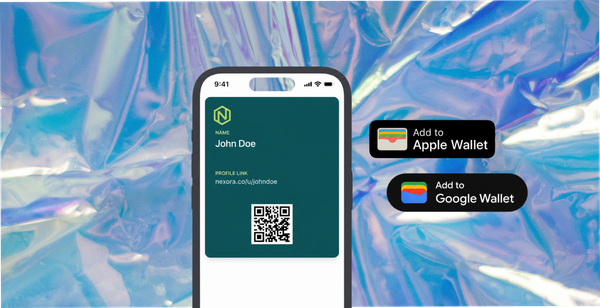
The incentive matters. "Help us improve" is not motivation. A wallet pass reward delivered directly to Apple or Google Wallet - $5 or $10 off the next order, sitting on the customer's home screen - is. Okendo data from Shopify merchants shows incentivised review requests generate significantly higher completion rates than unincentivised ones.
This step is the review collection moment. It is deliberately separate from the content request that follows - combining both into one ask creates competing priorities and tends to reduce completion on both.
Stage 4 - Content Request (Day 12-14)
Two to four days after the review request, the content request goes out. This is the ask for a photo, video, or both: a specific brief telling the customer exactly what to submit, how, and why it is worth their time.
This message should be separate from the review request because the two asks have different modes and different effort levels. A review is a quick rating and a sentence. A content request is a creative brief. Separating them preserves the low-friction path for reviews and gives the content request its own moment.
The brief should be specific. Not "share your experience" but a directed ask: "show us how you use it in the morning - 30 to 60 seconds, filmed on your phone." The more specific the brief, the higher the submission rate and the better the quality of what comes in.
How to write a content request that actually gets responses covers brief structure and framing in detail.
Rights Clearance in the Flow
Rights clearance is built into Stage 4, not added as an afterthought.
When a customer submits through a dedicated form with clear terms, the consent covers the uses the brand needs - including paid advertising - with a timestamp attached. That is fundamentally different from a tagged social post, an informal DM reply, or a screenshot of an email response.
The rights question that tends to block brands from using customer content in paid social is almost always a collection problem, not a content problem. The content exists. The permission does not, because it was never captured in a documented form.
Running the content request through a structured submission flow solves this at source. Every submission that arrives in the library is rights-cleared and immediately deployable - no chase-up required.
How 82DASH looks after rights management explains the clearance model in detail.
The Reward That Closes the Loop
The reward is the mechanism that makes the loop feel complete for the customer. They submitted something of value to the brand. The brand acknowledges it with something of value in return.
A wallet pass reward - delivered directly to Apple or Google Wallet immediately after submission - is the most effective format for a few reasons. It lands on the customer's home screen without requiring them to find an email, copy a code, or remember to use it at checkout. It resurfaces at the point of purchase. And it signals technological care: a brand that delivers a reward through the native phone wallet is operating differently from one that emails a coupon code.
How to reward customers for photos, videos and feedback covers the reward format decisions that affect conversion from submission to repeat purchase.
The reward also has a secondary effect: it increases the likelihood that the customer will participate in future collection cycles. A customer who submitted content once and received a reward has a complete, positive experience to reference. A second ask is not an unsolicited request - it is a follow-on from a transaction they remember well.
Building the Flow on Shopify
Most Shopify brands run their post-purchase email through Klaviyo, Omnisend, or Shopify's native email flows. The post-purchase sequence described here sits within the existing email architecture - it is not a separate system.
What is separate is the content submission component. A standard Klaviyo post-purchase flow can send the review request and content request emails. The submission itself happens through a dedicated form that captures content, collects consent, and triggers reward delivery.
82DASH connects to Shopify to run this loop: the collection request, submission form, rights clearance, and wallet pass reward delivery are a single flow rather than a set of disconnected tools. The content arrives rights-cleared into a library organised by product, format, and date.
The practical setup for a Shopify brand involves: configuring the post-purchase email sequence (Days 0, 5-7, 7-10, 12-14), writing the content request brief, setting up the submission form and reward, and connecting the library to the ad account and product pages where the content will be deployed.
How to get content from your Shopify customers covers the setup mechanics in detail.
What the Library Looks Like After Three Months
A brand shipping 500 orders per month with a well-built post-purchase flow can expect roughly the following at steady state:
A review completion rate of 8-12% means 40-60 new reviews per month. A content submission rate of 3-5% means 15-25 new photos or videos per month. After three months, the library has 120-180 reviews and 45-75 pieces of photo or video content from real customers.
That is enough to rotate ad creative consistently without fatigue, update product page galleries with fresh content, A/B test different customer contexts in paid social, and generate email content specific to product categories.
The library does not reset. Content collected in month one is still in the library in month six. Pieces that perform in ads keep running. The asset compounds rather than expiring.
How to measure UGC ROI provides reference performance data for customer content in paid channels - a useful frame for what to expect from the content the flow generates.
Isabelle Simon - Communications Lead - 82DASH
Frequently Asked Questions
When should I send a content request after a Shopify purchase?
For physical products, the optimal window is twelve to fourteen days after confirmed delivery. This gives the customer enough time to have used the product meaningfully, while the experience is still fresh enough to generate detailed, genuine content. Send the review request first at day seven to ten, then follow with the content request a few days later as a separate ask with a separate brief.
Should I combine the review request and content request in one email?
No. Combining both asks creates competing priorities and tends to reduce completion on both. A review is a quick rating and a sentence - low effort, low friction. A content request is a creative brief requiring more from the customer. Sending them as separate messages at separate moments preserves the low-friction path for reviews and gives the content request its own space.
What should I include in the content request brief?
Three things: what to film or photograph, how to do it (format, length, context), and the reward upfront. A brief that says "show us how you use it in the morning, 30 to 60 seconds on your phone, and we will put $10 in your Apple or Google Wallet" is specific enough to act on. "Share your experience" is not. The more concrete the subject and the clearer the reward, the higher the submission rate.
How does rights clearance work in a post-purchase content flow?
Rights clearance happens at the point of submission through the content form. When a customer submits through a form with clear terms covering the brand's permitted uses - including paid advertising - the consent is captured with a timestamp at the moment they click submit. That documented record is what makes the content immediately usable in paid social, product pages, and email without any retroactive permission chasing.
How much content can I expect to collect per month?
At steady state, a well-built post-purchase flow typically generates a review completion rate of 8-12% and a content submission rate of 3-5% of order cohorts. For a brand shipping 500 orders per month, that means 40-60 new reviews and 15-25 new photos or videos monthly. The library accumulates - content from previous months remains in the rotation and continues to perform.