How to Get More Product Reviews on Shopify
Most Shopify stores collect reviews from 3-5% of customers at best - not because customers are unhappy, but because the ask is timed wrong, formatted badly, or offers no real reason to respond. Here's how to fix all three.

Most Shopify stores collect far fewer product reviews than they are capable of. Not because their customers are unhappy - but because the ask is timed wrong, formatted badly, or buried in a post-purchase email nobody opens. The product is fine. The collection strategy is not.
This is a fixable problem. Here is how to build a review collection approach that actually generates volume without alienating the customers you have worked hard to acquire.
"What helped the most was timing: we wait a few days after the product is marked as delivered before sending the email, so the customer has actually used it. The email itself is short, friendly, and has a direct link to leave a review (no extra clicks). We also offer a small incentive, like 10% off their next purchase, which boosts responses without cutting too much into margins. One more tip, test different subject lines and send times."
Why Most Shopify Stores Under-Collect Reviews
The default setup for most Shopify stores is some variant of the same thing: an automated post-purchase email that fires a day or two after the order, asks for a star rating, and links to a review form. The open rate on that email is around 20-30%. Of the people who open it, a small fraction click through. Of those who click, fewer still complete it.
By the time you are done, you have collected feedback from maybe 3-5% of your customers. The other 95% had experiences worth hearing about - you just did not ask in a way that made them want to respond.
Bazaarvoice tracks response rate data across thousands of brands and consistently finds that review volume is driven more by timing and format than by the size of the customer base. More emails does not mean more reviews. It means faster opt-out rates.
Get the Timing Right First
Before anything else, fix the timing. A review request sent before the customer has used the product is asking for a guess.
For physical products, the window that generates the most useful and highest-volume responses is five to fourteen days after confirmed delivery. Long enough for the product to have been tried. Short enough that the experience is still vivid.
Yotpo research shows that review requests sent at the right post-delivery window see significantly higher completion rates than those sent immediately post-purchase. The gap between "order confirmed" and "product actually experienced" is where most automated flows go wrong.
For hospitality or service businesses, the window compresses: ask within 24 hours of the visit or service. By day three, the experience has blurred into general memory and the specific detail that would persuade the next customer is gone.
For digital products and subscriptions, match the ask to the first real milestone. A customer who has completed their first session, used the product for a week, or hit a meaningful result is in a far better position to review than one who signed up yesterday.
The Ask Format Changes Everything
The format of the review request determines whether the customer can complete it in the moment they first see it - or whether it requires more effort than they are willing to give.
Long-form review requests with multiple fields, rating categories, and free-text boxes fail because they ask too much. The customer opens the email, sees how much is required, and closes it. PowerReviews data consistently shows that reducing the number of required fields in a review form increases completion rate significantly. The goal is the lowest possible friction path to a useful response.
A single star rating plus one optional text field converts better than a structured questionnaire. If you want specific qualitative data - sizing accuracy, packaging quality, use case - build those as optional follow-on questions that appear after the core rating, not as requirements upfront.
Mobile formatting matters more than most stores realise. The majority of post-purchase emails are opened on mobile. A review form that requires desktop to complete is invisible to that audience.
The Incentive Question
"Help us improve" is not an incentive. It is a request dressed up as one.
A real incentive - a discount on the next order, early access to a product, a credit, a reward delivered via Apple or Google Wallet - changes the calculation for the customer. It acknowledges that their time has value. Okendo data from Shopify merchants shows that incentivised review requests generate significantly higher completion rates, particularly for photo and video content where the effort required is higher.
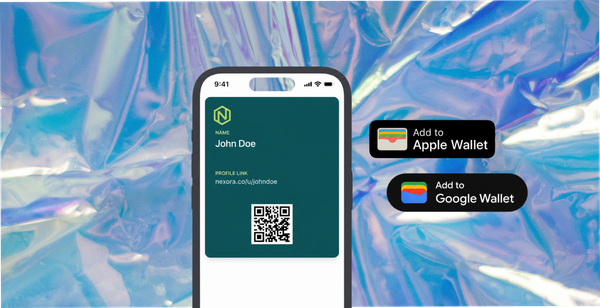
The format of the reward matters as much as the value. A coupon code in an email adds friction - the customer has to find the code, copy it, and remember to use it at checkout. A wallet pass reward delivered directly to Apple or Google Wallet sits on the home screen, resurfaces at the point of purchase, and converts at a materially higher rate. If you are going to incentivise reviews, the delivery mechanism is worth getting right.
Incentivised reviews are not less authentic. Bazaarvoice and PowerReviews both publish analysis showing that incentivised submissions track closely in sentiment to unaided reviews - the incentive motivates the response, not the content.
The 79% You Are Not Reaching
Most review collection strategies are designed around getting customers to do something public: leave a Google review, post on Trustpilot, tag on Instagram. These channels matter. But they only capture a minority of the customers who would share something if you made it easy.
82DASH data consistently shows that around 79% of customers who would share content or feedback will not do it publicly but will submit directly through a private, structured channel. They are not dissatisfied - they are just not people who post publicly. If your entire review strategy is built around public platforms, you are collecting from the 21% and ignoring the rest.
A direct submission channel - a link in a post-purchase email, a QR code on packaging, a wallet pass with a submission form - reaches that 79% in addition to whatever you are picking up through public review sites. The content tends to be more candid, more detailed, and more useful. It also comes with clear rights attached, which matters when you want to use it in ads or on product pages.
How to get content from your Shopify customers covers the practical setup of a direct submission flow in the post-purchase sequence.
Photo and Video: The Higher-Effort Ask
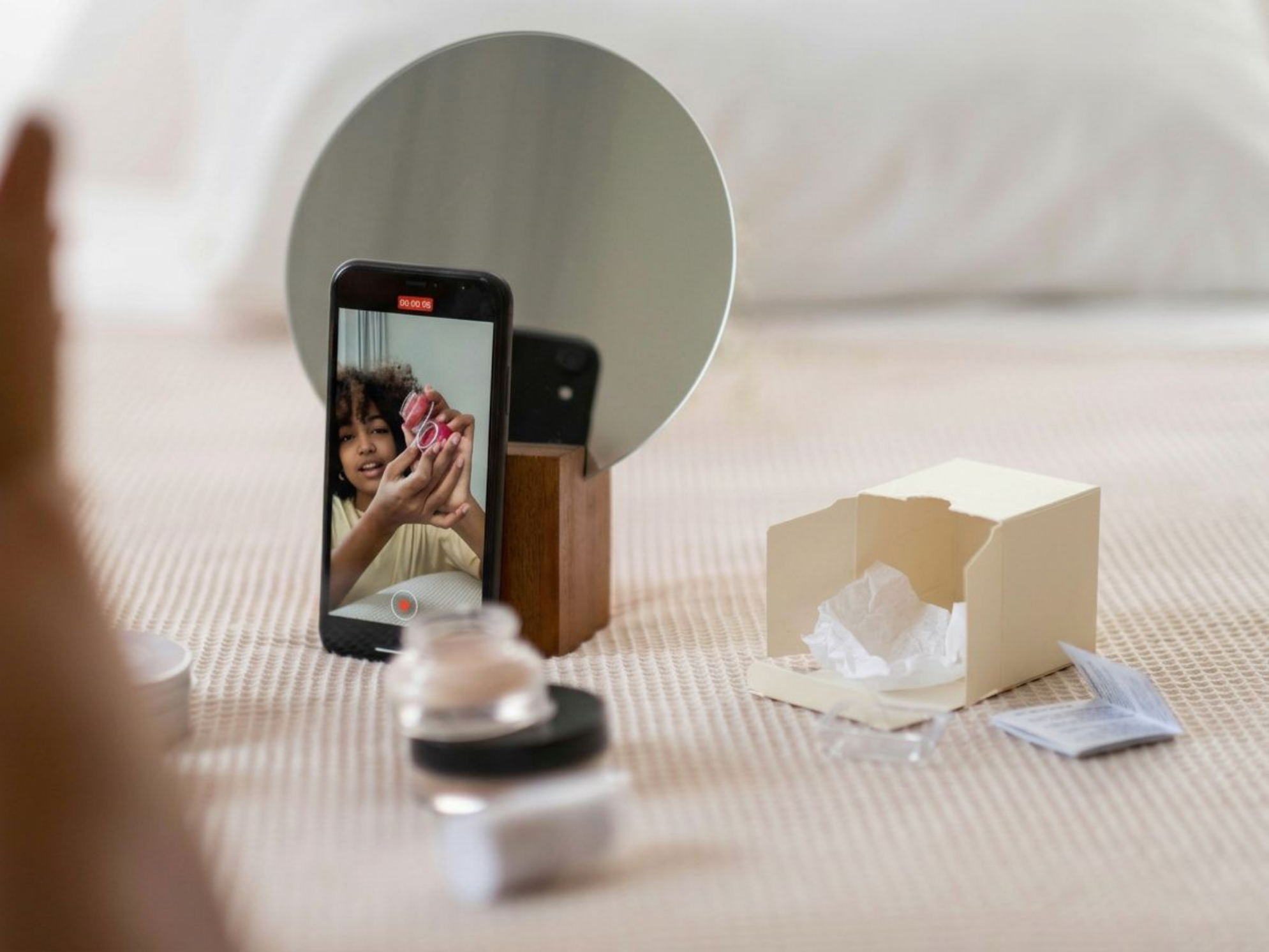
Text reviews are the baseline. Photo and video content is what converts browsers into buyers on product pages - but it requires more from the customer, so the ask has to work harder.
The brands that collect photo and video content at scale do not do it by hoping customers share publicly. They make a specific, structured ask with a clear reason to respond.
A content request that says "share your experience" generates almost nothing. One that says "show us how you use it - a short video or a couple of photos, and we will put $10 in your wallet" generates real volume. The more specific the brief, the better the content and the higher the submission rate.
82DASH runs content requests with a built-in submission flow: the customer receives a structured ask, submits content through a dedicated form, grants rights automatically at the point of submission, and receives a reward delivered directly to their phone. The content arrives rights-cleared and ready to use in ads, email, or on product pages.
How to write a content request that actually gets responses covers the format and framing decisions that affect submission rates in more detail.
Building a Review Flow That Compounds
The goal is not to run a one-time review campaign. It is to build a collection sequence that generates a steady volume of product reviews and content with every order cohort.
A realistic benchmark: brands with a well-optimised post-purchase collection flow typically achieve 8-15% review submission rates, versus the 3-5% most stores see with a default setup. That difference compounds fast. At 500 orders per month, the gap between 4% and 12% is the difference between 20 reviews and 60 - every single month.
The compounding effect is real: a product with 50 reviews converts better than one with 5, which converts better than one with none. Each new review improves the conversion rate on the next visitor, which generates the next order, which creates the next opportunity to collect. The brands with hundreds or thousands of reviews per product did not get there by accident - they built a repeatable process.
The minimum viable review flow has four components: a timed post-purchase ask (five to fourteen days post-delivery for physical products), a low-friction format (single rating plus optional text, mobile-optimised), a genuine incentive (delivered via wallet pass for best conversion), and a one-time follow-up if no response arrives within five days.
After that follow-up, stop. Note who responded and who did not. Feed that data back into your segmentation for the next collection cycle. The customer who consistently ignores review requests will not become a reviewer - but the one who responded once probably will again, if you ask about something specific to them.
How to reward customers for photos, videos and feedback goes deeper on matching reward type to the ask, including the mechanics of wallet pass delivery.
Isabelle Simon - Communications Lead - 82DASH
Frequently Asked Questions
How long after purchase should I request a review on Shopify?
For physical products, five to fourteen days after confirmed delivery is the optimal window. This gives customers enough time to use the product while the experience is still fresh. Asking immediately after purchase - before the product has arrived - generates lower-quality responses and lower completion rates. For hospitality and services, compress the window to within 24 hours of the visit or service.
Should I offer an incentive for Shopify reviews?
Yes. Research from Bazaarvoice and Okendo consistently shows that incentivised review requests generate higher completion rates without systematically affecting the sentiment of responses. The format of the incentive matters: wallet pass rewards delivered directly to the customer's phone convert better than coupon codes that require manual retrieval at checkout.
How many review requests is too many?
One request, one follow-up, then stop. Sending more messages does not recover non-respondents - it trains your most engaged customers to ignore everything you send. Send the initial ask, follow up once three to five days later, and move on. Use non-response data to refine your targeting for the next cohort.
Why are my Shopify review request emails not getting responses?
The most common causes are timing (asking before the product has been received or used), format (too many required fields or poor mobile experience), and no genuine incentive (treating the ask as a favour rather than an exchange). Fix timing first - it is the highest-impact change. Then simplify the form. Then add a real incentive.
How do I collect photo and video reviews, not just text?
Make a specific ask with a clear reward attached. "Share your experience" generates almost nothing. A structured brief with a specific format request and a wallet pass reward generates real volume. Any photo or video collected through a structured submission flow with explicit terms arrives rights-cleared, which means you can use it in ads and on product pages without chasing permissions after the fact.