How to Use Wallet Passes for Influencers and Brand Ambassadors
Email and DMs don't scale for ambassador programmes. Here's how wallet passes keep ambassadors engaged, informed, and contributing content.
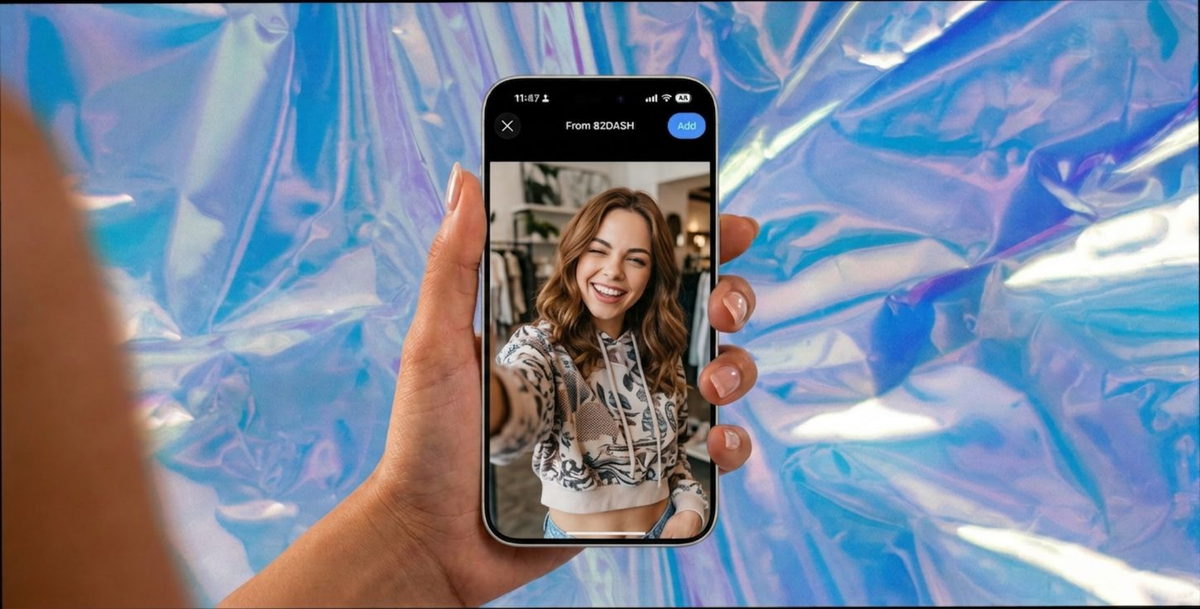
Most ambassador programmes are built on a foundation that doesn't scale: a group chat, a shared spreadsheet, and a string of DMs that slowly go unanswered. The brand is enthusiastic in month one. By month four, the relationship exists mainly in theory. The ambassadors who were genuinely excited about the product have drifted, not because they stopped believing in it, but because the infrastructure around them disappeared.
Wallet passes change this. Not dramatically, not all at once - but in a way that keeps the relationship present and useful rather than letting it fade into an unread channel.
"Businesses and creators use Apple and Google Wallet push notifications because they achieve massive open rates (85%–95%), bypass app-installation friction, and are significantly cheaper than SMS. By issuing digital passes for loyalty cards, tickets, or VIP community access, brands can send direct, lock-screen alerts"
- r/Entrepreneur
Why Ambassador Management Breaks Down at Scale
The tools most brands use to run ambassador programmes were designed for something else. Email is built for broadcast, not relationship management. Instagram DMs are built for conversation, not coordination. A shared spreadsheet is a document, not a system.
The result is that ambassador relationships are high-maintenance in a way that doesn't compound. Every communication requires someone to draft it, send it, and chase responses. Every update requires a new message thread. Every reward requires a manual process. When a brand has five ambassadors, this is manageable. When they have fifty, it's a part-time job. When they have five hundred, it's broken.
The underlying problem is that the ambassador has no persistent, visible connection to the programme. There's nothing on their phone that reminds them they're part of it, nothing that surfaces when they're near a relevant location, nothing that delivers updates without requiring them to open an app they don't check. The relationship exists inside the brand's CRM, not in the ambassador's daily life.
What an Ambassador Wallet Pass Actually Is
A wallet pass is a digital card stored in Apple Wallet or Google Wallet - the same place someone keeps their boarding passes, gym membership, and bank cards. It's not an app, so there's no download friction. It's not a loyalty card in the traditional sense, though it can hold points or rewards. It's a persistent, branded object that lives on the device the ambassador already uses constantly.
For an ambassador, it can be several things at once.
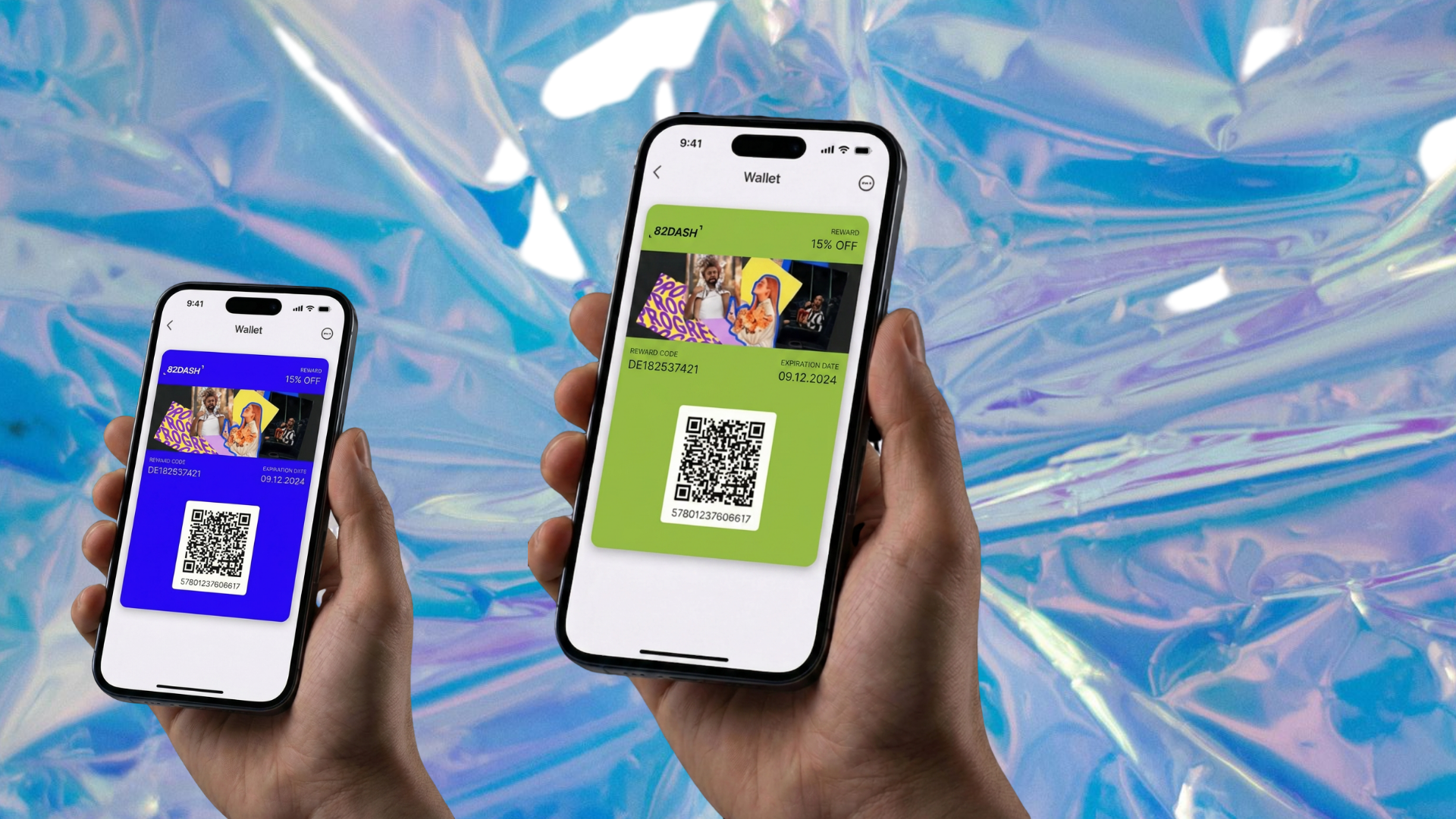
It's a status indicator - the pass visually signals that they're part of the programme. A branded card with their tier, their ambassador status, and a name or handle creates a sense of belonging that a group email does not.
It's a reward holder - commission updates, exclusive discount codes, early access credits, and referral bonuses can all be delivered directly to the pass without requiring a separate email or link.
It's a communication channel - and this is where the mechanics become genuinely useful. Apple Wallet and Google Wallet both support push notifications sent directly to a pass, visible on the lock screen, without requiring the user to have an app installed or a notification permission for a specific brand app.
The Push Notification Channel Nobody Is Using Properly
Email open rates for brand communications have declined steadily for years. Most ambassador update emails get the same treatment as promotional mail: a quick scan, then archive or delete. The signal-to-noise ratio in a busy inbox is brutal.
A push notification sent to a wallet pass is different. It arrives directly on the lock screen. It doesn't compete with 200 other emails. It doesn't require an app. Open rates on wallet pass notifications tend to be significantly higher than email equivalents - some brands report three to five times the engagement on the same content sent via push versus email.
For ambassador programmes, this means that product launch announcements, limited-access events, new commission rates, and content briefs can all be delivered in a way that actually gets seen. The ambassador who stopped opening your group email a month ago will still see a lock screen notification.
The format has limits - these aren't long-form messages - but that's part of the discipline. A wallet pass push notification has to be short, specific, and immediately actionable. That constraint tends to produce better communication anyway.
Location-Based Triggers
Both Apple and Google Wallet support location-based pass surfacing: when a pass holder enters a defined geographic radius, the pass rises to the front of their wallet and can trigger a notification.
For physical retail brands, this is straightforwardly useful. An ambassador who walks past your store, visits a stockist, or attends an event in your area sees the pass surface automatically - a quiet reminder of the relationship and an invitation to engage. No push required, no scheduled send. The trigger is physical proximity.
For hospitality brands, the same logic applies to restaurant groups, hotel chains, or any business with multiple locations. An ambassador staying near one of your properties sees the pass when they arrive. If the pass contains a content request or a location-specific brief, the timing is exactly right.
This is the kind of contextual relevance that email cannot replicate. An email arrives at the moment you sent it. A wallet pass surfaces at the moment it's most relevant.
Missionaries, Not Mercenaries
The distinction between a paid creator and a genuine ambassador is worth being clear about.
A paid creator - a mercenary, in the vocabulary that's increasingly being used across the industry - delivers reach efficiently and exits when the contract ends. They have an audience that you rent for the duration of the campaign. The content is professional. The trust it generates is limited.
A genuine ambassador - a missionary - already believes in the product. They're not talking about your brand because you're paying them to; they're doing it because they actually use it and would recommend it regardless. The wallet pass is not what makes them an advocate. It's the infrastructure that keeps them active, informed, and connected to the programme rather than drifting away.
This is the argument for treating ambassador management as seriously as paid creator spend. A programme of fifty genuine advocates with wallet passes, structured content briefs, and meaningful rewards will generate content that performs differently from a campaign of hired creators. The content looks different. The credibility signals are different. And the relationship compounds - the ambassador who creates content this month is more engaged next month, not less.
The Content Collection Layer
The wallet pass and the content request work best as a loop rather than separate systems.
The ambassador receives a brief via push notification - a specific ask, a product to showcase, a theme for the next month. They follow a link to a structured submission form where they can upload photos or video. At the point of submission, they grant rights automatically - no separate agreement, no follow-up email to sign something. The submitted content lands in a library the brand can use for ads, organic posts, or campaign materials.
Once the content is approved, a reward is delivered - back to the wallet pass. A discount code, a commission update, a credit, or early access to the next product. The loop closes.
This is the compounding flywheel in practice. The ambassador contributes, gets acknowledged, and is more likely to contribute again. Each contribution builds the content library. Each reward deepens the relationship.
82DASH handles the content collection and rights-clearance side of this. JeriCommerce is built specifically for wallet pass creation and management on Shopify. PassKit is an enterprise-grade option for brands running programmes at larger scale or outside Shopify.
For the content rights side of things, how 82DASH looks after rights management explains how clearance works at the point of submission so you're not chasing permissions after the fact.
Setting Up an Ambassador Tier: What It Looks Like in Practice
An ambassador wallet pass tier doesn't need to be complex to work. The minimum viable version has a small number of components.
The pass itself - branded with your colours, your logo, and something that signals status. Not a generic loyalty card, but something the ambassador would show someone. Tier name, ambassador handle, and a visible indicator of their standing in the programme.
A first benefit on arrival - not a generic welcome message. An exclusive discount, early access to a product, or a commission code they can use immediately. The first moment the pass lands on their phone should deliver something tangible. A welcome message with a promise of future rewards is how programmes lose momentum before they start.
A content brief as the first push - within a week of joining, send a push notification with the first specific ask. A photo of the product in use, a video review, a story format. Keep the brief short and the reward clear. This establishes the pattern: the pass is how you communicate with them, the brief is what you're asking for, the wallet pass reward is what they get in return.
A cadence - weekly or fortnightly updates. New products, commission changes, event access, featured content from other ambassadors. Regular enough to stay present, infrequent enough to stay welcome.
Using Apple and Google Wallet passes to keep customers coming back covers the mechanics of wallet pass setup and the push notification channel in more detail, including how to structure the delivery flow.
For brands on Shopify who want to see how the content side integrates with the post-purchase flow more broadly, how to get content from your Shopify customers is the practical starting point.
What This Looks Like Compared to the Old Way
The old way - group chat, spreadsheet, occasional emails - is not inherently bad. It can work for very small programmes run by someone with dedicated time. But it doesn't scale, it requires constant maintenance, and it gives the ambassador no persistent experience of being part of something.
The wallet pass approach is different in kind, not just degree. The ambassador has something on their phone. The brand has a communication channel that doesn't compete with email noise. The content loop is repeatable and doesn't require manual chasing. The relationship is present rather than latent.
Platforms like Meta for Creators have been pointing toward this kind of formalised creator relationship infrastructure for a while - the recognition that a casual tagging relationship is not a programme, and that genuine advocacy requires genuine structure. The wallet pass is one piece of that structure. The content brief and reward loop are the others.
Isabelle Simon - Communications Lead - 82DASH
Frequently Asked Questions
Do ambassadors need to download a new app to use a wallet pass?
No. Wallet passes work in Apple Wallet and Google Wallet, which come pre-installed on every iPhone and modern Android device. There's no app to download, no account to create. The ambassador receives a link or scans a QR code and the pass is added directly to their existing wallet. This is one of the main practical advantages over dedicated loyalty apps, which require a download step that many users skip.
How is a wallet pass push notification different from an email or SMS?
A wallet pass push notification is delivered directly to the lock screen without requiring a separate app notification permission or occupying inbox space. It arrives as a pass update rather than a marketing message, which means it bypasses the mental filter most people apply to promotional email. Open rates on pass notifications are typically significantly higher than email equivalents on the same content.
What kind of content briefs work best for ambassador wallet pass programmes?
Specific, short, and immediately actionable. A brief that says "We'd love any content you're happy to share" produces less than one that says "We're launching the new colourway on Thursday - can you share a short video of it in your usual setting by Wednesday?" The more specific the ask, the higher the submission rate. Choosing the right content request type covers the format decision in more detail.
Does a wallet pass programme replace an influencer budget?
Not directly. Wallet passes and ambassador programmes serve a different function from paid creator campaigns. Paid creators deliver reach to cold audiences efficiently. Ambassadors deliver credibility to warm audiences over time. The case for both is real, but they're building different things: rented reach versus community equity. A well-run ambassador programme builds an asset that compounds; a creator campaign rents attention for the duration of the campaign.
Which platforms support ambassador wallet pass programmes?
82DASH handles content collection and rights clearance. JeriCommerce is purpose-built for wallet pass creation and management on Shopify. PassKit covers enterprise-scale programmes with more custom configuration. For brands on Shopify wanting to combine content collection with wallet pass delivery, 82DASH and JeriCommerce are the most direct integration path.