How to Collect Customer Video Reviews for Ecommerce
Video reviews convert better than text on product pages and outperform studio creative in paid ads - but most brands collect almost none of them. Here's how to write the brief, build the submission flow, and get consistent video from real customers.

Video reviews are the highest-converting content type on most ecommerce product pages. They are also the content type most brands collect almost none of. The gap between what video reviews deliver and how many brands actually have them is not about customer willingness - it is about the ask.
This post covers why video reviews perform the way they do, why most collection attempts fail, and how to build a flow that generates them consistently.
"This is hard! If you are lucky enough to have customers that wants to do this for you you are truly blessed!"
Why Video Reviews Outperform Everything Else
A customer watching another customer use a product in a real context resolves the core anxiety of ecommerce: the fear that the product will not match the expectation. A studio product photo shows what something looks like. A customer video shows how it actually behaves.
Wyzowl research consistently places video as the content format consumers most want to see from brands, with 84% saying a video has convinced them to make a purchase. Yotpo data from Shopify merchants shows that product pages with customer video content see conversion uplift compared to pages with text reviews alone.
The mechanism is trust. A real person, filmed on a phone, showing how something works in their actual environment carries a credibility signal that no amount of polished brand creative can replicate. The quality does not have to be high. The authenticity does.
For paid social, the advantage is compounding. Customer video in Meta ads - particularly short-form showing real use - tends to produce better engagement rates than studio creative on warm audiences, which drives down CPM and improves ROAS. The content looks like what the audience already watches. It does not look like an ad.
Why Most Brands Collect Almost None
The standard approach - posting on Instagram asking followers to tag the brand, or sending a post-purchase email with "share your experience" - generates almost no video. Not because customers are unwilling, but because the ask is not specific enough to act on and there is no reason to bother.
"Share your experience" is not a video brief. It is an open invitation to do undefined work for no reward. The customer reads it, processes it as effort, and moves on.
The brands that collect video at scale do two things differently: they make a specific, structured ask that tells the customer exactly what to film, and they attach a genuine reward to the submission.
PowerReviews research on guided content requests shows that customers given specific prompts produce higher-quality submissions at higher rates than those given open invitations. The specificity reduces the cognitive load. The customer does not have to decide what to film - they just have to do the thing they have been asked to do.
The Video Brief: What to Ask For
The brief is the highest-leverage variable in video collection. Get this right and submission rates improve significantly. Get it wrong and even a genuine incentive will not save it.
A good video brief for ecommerce answers three questions for the customer: what to film, how to film it, and why it is worth their time.
What to film should be specific. Not "show us your experience" but "show us how you use it in the morning" or "film yourself unboxing it and tell us the first thing you noticed." The more concrete the subject, the easier it is for the customer to start. A customer staring at their phone trying to figure out what to say will not make a video. A customer following a clear brief will.
Format guidance helps too. Most customers do not know what length to aim for. "30-60 seconds, filmed in landscape, showing the product in use" gives them a target. It also means the content you collect is more consistent and more deployable. A brief note on usability goes a long way: ask customers to film somewhere with decent light (near a window, not in a dark room) and to make sure audio is clear. This is not about production quality - it is about eliminating the small number of submissions that arrive too dark or too muffled to use. One line of guidance in the brief prevents most of those.
The ask itself should name the reward upfront. "Film a short video showing how you use it - 30 to 60 seconds - and we will put $15 in your Apple or Google Wallet" is clearer and more motivating than a request that mentions the reward as an afterthought at the bottom. The reward is part of the ask, not a footnote.
How to write a content request that actually gets responses covers brief structure across photo and video formats in more detail.
The Submission Flow: Making It Easy
Even with a strong brief and a genuine reward, a submission flow with friction loses customers. If the customer has to upload to a social platform, tag the brand, navigate to a form, create an account, or switch between multiple steps, the completion rate drops at each stage.
The submission path should be a single link that opens a mobile-optimised form. The customer uploads or records directly from their phone, reads and accepts the terms, and submits. That is it. No account creation, no platform navigation, no secondary steps.
The terms at submission are where rights clearance happens. When a customer submits through a form with explicit consent covering the brand's permitted uses - including paid advertising - the submission arrives rights-cleared. This is fundamentally different from a public social post, which requires retroactive permission chasing before you can run the content in ads.
How 82DASH looks after rights management explains the clearance model in detail. The short version: rights collected at submission are more legally robust than rights collected retroactively, and they make the content immediately deployable rather than requiring a clearance step before use.
Rights Clearance: Why It Matters More for Video
Rights clearance matters for all customer content, but it matters more for video. A customer photo running in a paid ad without clear rights is an exposure. A customer video running in a paid ad - where the person's face, voice, and likeness are visible - is a larger one.
UK law under the Advertising Standards Authority framework and US law under FTC guidance on endorsements both treat paid advertising use as a higher bar than organic sharing. A DM conversation in which a customer says "yes feel free to use it" does not cover paid advertising use, does not specify duration, and does not constitute a documented consent record.
For video specifically, the consent needs to cover: the specific content, paid social use, the duration, and in some cases the use of the person's likeness in advertising. A structured submission form with clear terms handles all of this at the point of collection.
Shopify customer content rights audit guide is a useful diagnostic if you have existing video content and want to assess what you can actually use.

The Reward That Actually Works
The reward is not optional. Customers filming a 30-60 second video and uploading it are doing real work. An ask without a reward is asking for that work as a favour. Most customers will not make it.
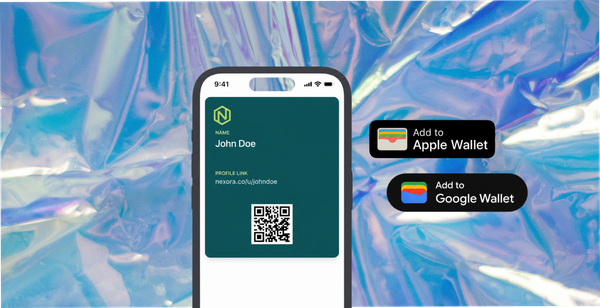
The reward needs two things: genuine value and low friction to redeem. A $10-$20 discount on the next order works if the customer is likely to reorder. A wallet pass reward - delivered directly to Apple or Google Wallet - works across all customers regardless of purchase intent, because the value is immediately accessible.
Stackla data on incentivised content collection shows that video submission rates are particularly sensitive to reward structure compared to text reviews. The effort is higher, so the reward threshold is higher. Matching the reward to the effort is the difference between a brief that generates a trickle and one that generates volume.
How to reward customers for photos, videos and feedback covers reward format decisions and the mechanics of wallet pass delivery in detail.
How to Use Video Reviews Once You Have Them
The deployment strategy determines whether collected video has commercial impact or sits in a library unused.
Product pages - short customer videos on product pages address the conversion anxiety most text reviews cannot. A video of someone using the product in their actual environment answers the unspoken question: does this actually work the way it looks? 82DASH surfaces collected video directly into the brand's content library, ready for embedding on product pages.
Paid social - short-form customer video (15-30 seconds) running as a Meta or TikTok ad performs differently from studio creative. It looks native to the feed. It carries trust signals. TikTok in particular rewards this format - the platform's algorithm actively favours content that looks like organic posts rather than polished ads, which means a genuine 30-second customer video can outperform a produced brand creative with a fraction of the budget behind it. On warm retargeting audiences across all platforms, customer video tends to convert at a higher rate than studio alternatives. The prerequisite is clear rights covering paid use - which a structured submission flow handles at collection.
Email - a customer video thumbnail in a post-purchase email sequence (linking to the product page) outperforms a static brand image on click-through. The motion element catches attention and the real-customer signal is relevant to someone who just made the same purchase.
Organic social - rights-cleared customer video can be reposted with confidence. The difference from uncleared content is that you know you can use it without the risk of a creator disputing the use.
How to collect and use customer video reviews covers the collection-to-deployment workflow in more detail. How to measure UGC ROI gives reference performance data for customer video in paid channels.
Isabelle Simon - Communications Lead - 82DASH
Frequently Asked Questions
Why do my video review requests get almost no responses?
The two most common causes are a brief that is too vague and no genuine reward. "Share your experience" does not tell a customer what to film or why it is worth their time. A specific brief - what to film, how long, what format - combined with a real reward (a discount or wallet pass credit) changes the completion rate significantly. Submission friction is a secondary cause: if the upload process requires multiple steps or platform accounts, customers drop off before completing.
What length of video review works best for ecommerce?
For product pages and paid social, 15-60 seconds is the most deployable range. Long enough to show real use and say something meaningful. Short enough to watch in full. Brief your customers on this specifically - most will not know what length to aim for without guidance. Landscape format works better for ads; portrait works better for Stories and TikTok. If you want flexibility across placements, ask for landscape.
Do I need rights clearance to use customer videos in Meta ads?
Yes. Using someone's video - particularly one that includes their face or voice - in a paid ad without documented consent covering paid use is a legal exposure. A DM permission is not sufficient. You need a record that specifies the content, the uses permitted (including paid social), and the duration. Collecting rights at the point of submission through a structured form is the cleanest approach.
How much should I pay customers for video submissions?
Video requires more effort than text, so the reward threshold is higher. $10-$20 in a discount or wallet pass credit is a reasonable starting range for a 30-60 second video. Wallet pass delivery tends to convert better than email coupon codes because the reward is immediately accessible and resurfaces at the point of purchase. Test the reward level against submission rate - if volume is low, the reward may need to increase.
How quickly can I expect to build a usable video library?
With a structured collection flow running on every order cohort, most brands see their first usable submissions within two to three weeks of launch. Volume builds with the size of the customer base and the quality of the brief. A brand shipping 500 orders per month with a 3-5% video submission rate generates 15-25 videos per month - enough to rotate in paid social and update product pages on a meaningful cadence.