Customer Content Marketing for Shopify: The Strategy
Most Shopify brands treat customer content as a bonus. The ones building durable advantages treat it as a systematic pipeline - collecting, clearing, and deploying photos, videos, reviews, and feedback across every stage of the funnel. Here's how to build it.

Most Shopify brands treat customer content marketing as a nice-to-have. A tagged Instagram post here, a positive review there. Something to screenshot and repost when it shows up. What they are missing is that this approach captures the very tip of what is available to them - and leaves the bulk of their most persuasive content completely untouched.
Customer content marketing is not a content type. It is a strategy: a systematic approach to collecting, clearing, and deploying content from real customers at every stage of the funnel. The brands that build it properly compound their advantage over time. The ones that treat it as a bonus stay stuck at the tip.
"Lately, I've noticed that I trust real people much more than polished brand posts. Reviews, casual TikToks, Reddit comments, and even messy screenshots feel more honest than perfectly edited ads. It's not that brands don't try. It just feels like UGC shows how something actually fits into real life, rather than how it wants to be perceived."
What Customer Content Marketing Actually Is
Customer content marketing is the practice of actively collecting content from customers - photos, videos, reviews, testimonials, feedback - and using it systematically across paid ads, email, product pages, and organic social.
The distinction from traditional UGC (user-generated content) matters. UGC is reactive: you find what customers have posted publicly, request permission retroactively, and hope the quality is usable. Customer content marketing is proactive: you build a flow that asks, collects, clears rights, and delivers the content into a library ready for deployment. The difference in what you can actually do with the content is significant.
Bazaarvoice research consistently shows that customer content drives 161% higher conversion rates when used on product pages. Stackla data shows consumers are 2.4x more likely to engage with customer content than brand-produced creative. Nielsen puts peer recommendations as the most trusted format above all others at 92%.
The opportunity is not marginal. It is structural.
The Four Content Types and What Each Does
Not all customer content serves the same purpose. A systematic strategy treats these as distinct assets with different collection approaches and different deployment uses.
Reviews are the foundational layer. They drive SEO, build product page credibility, and feed comparison searches. A product with 200 reviews converts differently from one with 10 - and the difference compounds with every new review added. PowerReviews data shows that products with 11 or more reviews see a 44% higher conversion rate than those with none. Review collection should be automated and permanent, not a one-time campaign.
Photos are the workhorse of paid social. Customer photos in Meta ads consistently outperform studio creative on trust signals - lower CPM from better engagement rates, higher conversion on warm audiences. The catch is that photos collected through informal channels (tagged posts, DMs) carry unclear rights. Photos collected through a structured submission flow with explicit consent are immediately deployable.
Video is the highest-conversion format for product pages and social ads. A 15-30 second customer video showing real use outperforms most polished brand creative, particularly on warm audiences who have already seen the product. It is also the hardest to collect at scale without a systematic ask.
Feedback is the intelligence layer. Structured feedback - NPS responses, specific product questions, post-purchase surveys - gives you operational data that reviews and photos cannot. It tells you what to fix, what to brief customers on, and where your messaging is landing or not.
A complete customer content strategy runs all four in parallel, with each feeding different parts of the business.
Why Most Shopify Brands Only Capture 10-20% of Available Content
The standard UGC approach - monitoring tags, reposting what you find, chasing permissions on posts you want to use - has a fundamental ceiling. It only reaches customers who already post publicly. For most brands, that is 10-20% of satisfied customers at best.
The remaining 80% are equally happy with the product. They would submit a photo or write a review if asked properly. They just do not post publicly. Designing your entire content strategy around public channels means designing it for the minority.
82DASH data puts this at around 79% of customers who would share content privately when asked through a structured flow, but would not post it publicly. That private pool is where the volume is - and it is almost entirely untapped by brands relying on traditional UGC monitoring.
How to get content from your Shopify customers covers the mechanics of building a direct submission channel into the post-purchase flow.

Building the Collection Pipeline
The collection pipeline is the operational core of a customer content strategy. It determines how much content comes in, how consistently, and how usable it is when it arrives.
The minimum viable pipeline has four stages.
The ask - a structured content request sent at the right moment post-purchase. For physical products, five to fourteen days after confirmed delivery. The request should be specific: what format, what subject, what context. A brief that says "film yourself using it in the morning" gets better results than "share your experience." How to write a content request that actually gets responses covers the framing decisions in detail.
The submission flow - a dedicated form the customer submits through, not a social tag or email reply. A submission form allows you to set the context, capture consent at the moment of submission, and collect the actual file rather than a link to a public post. Choosing the right content request type explains how to match the form format to what you are collecting.
Rights clearance - built into the submission step, not retrofitted after. When a customer submits through a structured flow with clear terms, the consent is captured at the point of submission with a timestamp and specific content identifiers. That is a different legal position from a DM reply saying "sure, use it." For Shopify brands running paid social, this is not a nice-to-have. How 82DASH looks after rights management explains the clearance model.
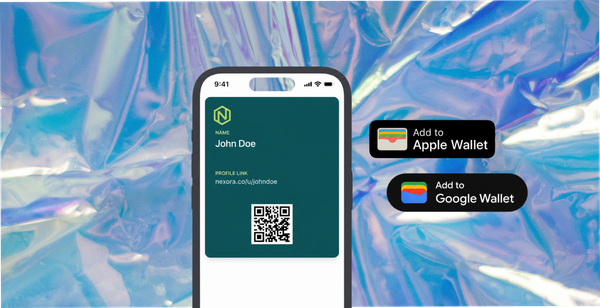
The reward - delivered immediately after submission, ideally via Apple or Google Wallet. A discount code in an email adds friction. A wallet pass on the home screen converts. The reward closes the loop and signals that the submission was received and valued - which increases the likelihood of the customer contributing again.
Using Customer Content Across the Funnel
Collected content is only useful if it gets deployed. Most brands collect more than they use because the content sits in a library with no clear routing into live channels.
Product pages - verified customer photos and video on product pages drive measurable conversion lifts. Bazaarvoice publishes conversion data showing consistent uplift when customers interact with real-person content versus brand-only images. The content does not need to be polished. It needs to be real.
Paid social - customer photos and video running as ads carry a trust signal that studio creative cannot replicate. The key prerequisite is rights clearance: you need documented consent specifically covering paid advertising use before spending on it. Organic repost consent is not the same thing. A systematic collection flow solves this before it becomes a problem.
Email - customer content in email sequences outperforms generic brand creative on click-through. A post-purchase email featuring another customer's photo of the same product they just bought is more relevant than a brand campaign image. Yotpo research shows that emails containing customer content see higher click-through rates than those featuring brand-only creative.
Organic social - rights-cleared customer content can be reposted with confidence. The difference from uncleared UGC is that you know what you have permission to use, and you do not need to chase anyone before posting.
How to measure UGC ROI for ads covers attribution approaches for customer content in paid channels. How to measure UGC ROI provides reference performance data by content type.
The Compound Effect
The reason customer content marketing compounds where traditional content does not is that every new piece of content feeds the next outcome.
A customer who submits a photo and receives a wallet pass reward is more likely to come back and buy again. The content they submitted adds to the product page, which converts the next visitor. That next visitor becomes a customer, who gets asked to contribute content. The content library grows. The conversion rate improves. The acquisition cost drops.
This is structurally different from a campaign approach, where content is produced, deployed, and exhausted. Customer content gets better with every customer, every order, every submission.
82DASH is built specifically for this loop on Shopify: the content request, submission flow, rights clearance, reward delivery, and content library are a single connected system rather than a set of disconnected tools.
The brands building this systematically now are creating a content asset that becomes harder to replicate over time. The brands treating customer content as a bonus are leaving the majority of their most persuasive material on the table.
Isabelle Simon - Communications Lead - 82DASH
Frequently Asked Questions
What is the difference between UGC and customer content marketing on Shopify?
UGC (user-generated content) typically refers to content customers post publicly - tagged posts, public reviews, social mentions. Customer content marketing is a proactive strategy: you actively ask customers to submit content through a structured flow, collect rights at the point of submission, and deploy it systematically across ads, email, and product pages. The difference is the proportion of available content you can actually access and use.
How much does it cost to run a customer content marketing programme on Shopify?
The cost depends on the tools and reward structure you use. The reward itself is typically a discount or wallet pass credit, which is offset by the conversion value of the content collected. The operational overhead is low once the collection flow is set up, because the system runs with each order cohort rather than requiring manual campaign work per collection cycle.
What kind of content performs best in Shopify paid ads?
Customer photos and short videos showing real product use consistently outperform studio creative on trust metrics - CPM tends to be lower due to better engagement, and conversion rates on warm audiences are typically higher. The prerequisite is rights clearance: content running in paid ads needs documented consent covering commercial use specifically.
How do I get customers to submit photos and video, not just text reviews?
The ask needs to be specific, the reward needs to be genuine, and the submission path needs to be low friction. A request that says "film a short video of how you use it in the morning and we will put $10 in your wallet" outperforms an open invitation. A dedicated submission form that works on mobile outperforms a social tag or email reply.
How long before customer content marketing produces measurable results on Shopify?
Early collection cycles typically produce results within the first four to six weeks - the first order cohort that goes through a structured collection flow starts producing content within the post-purchase window. Product page uplift from added customer content is measurable from the first cohort. Paid social performance data from customer content typically becomes statistically meaningful after the first month of running at scale.