Video Reviews for Ecommerce: How to Collect Them 2026
Video reviews convert at up to 80% higher rates than text. Here's how ecommerce brands build a collection system that actually gets customers to submit them.

You know video reviews convert better. You've read the stats. You've seen a competitor's product page with a grid of real customer clips and thought: "I need that."
Then you've sent the post-purchase email asking for a review, watched it get ignored, and moved on.
That gap - between knowing video reviews work and actually having them - is where most Shopify merchants get stuck. Not because their customers wouldn't record one. Because they haven't built a system that makes recording one easy, worth doing, and frictionless enough to actually happen.
This guide is that system.
"When people see real customers using a product, it builds trust and reduces the hesitation buyers usually have. It's basically social proof in action. Many stores use it in product pages, reviews, or short videos because it shows the product in real-life situations, which often leads to higher engagement and better conversions compared to traditional brand messaging." - r/shopifyseo
Why Video Reviews Convert Better Than Text for Ecommerce
The performance difference between text and video reviews is well-documented - and it's not close.
Landing pages with video testimonials convert at up to 80% higher rates than equivalent pages with text reviews only. 72% of customers say they trust a brand more after seeing positive video testimonials - a number that holds across categories, price points, and buyer types. The trust gap between a written "Highly recommend!" and a real person on camera explaining exactly why they love a product is significant.
For ecommerce specifically, the mechanism is clear. A written review answers "would you recommend this?" Video answers "what does this actually look, feel, and work like in real life?" That second question is the one buyers are actually trying to answer when they're deciding whether to purchase a product they can't hold.
Wyzowl's annual video marketing report shows that 96% of people have watched an explainer video to learn more about a product or service. Yotpo data shows customer video content on product pages generates significantly higher engagement than static reviews. The pattern is consistent: customers trust video, spend more time with it, and convert at higher rates after seeing it.
The Real Problem: Getting Customers to Submit Video
Here's the thing most tutorials about video reviews skip: the content isn't the hard part. The collection is.
The standard advice - "send a follow-up email asking for a video review" - generates a 0-2% response rate for most brands. The reasons are predictable. The email arrives too late, when excitement about the order has faded. The ask feels heavy - "record a video" is a bigger commitment than "leave a star rating". There's no obvious reason to do it. And there's no obvious way to do it quickly.
The merchants who actually build video content libraries don't get lucky with engagement. They redesign the ask:
Timing matters more than messaging. The window for collecting a video review is 7-14 days after confirmed delivery - when the product is new, the customer is still in the experience, and the purchase hasn't become routine. For skincare, supplements, or any category where results develop over time, push the window to 21-30 days. Miss the window and the enthusiasm is gone.
The ask needs to be proportional to the effort. A text review can be incentivised with a small discount. A video review is a meaningful ask - it requires someone to turn on their camera, record something, and submit it. The reward needs to reflect that. Video submissions typically justify a $10-20 credit, a meaningful discount (20-30%), or a product included with their next order.
The submission path needs to be one step. A link in an email that opens a branded page on mobile, asks for a 15-30 second clip, and accepts the upload directly - no app download, no account creation, no steps that create friction before submission.
Research from ecommerce retention platforms shows that incentivised submission programmes with streamlined collection flows generate 15-25% response rates. Unincentivised or high-friction flows sit at 1-5%. The collection mechanic is where the content library is won or lost.

UGC vs CGC: Why Publicly Posted Videos Aren't Enough
There's a distinction worth making clearly before building any video review strategy.
UGC (user-generated content) is the video a customer posts publicly - on TikTok, Instagram Reels, YouTube. You can see it, reference it, and hope it drives awareness. But you don't own it. Without explicit rights clearance, you cannot use it in paid advertising, on product pages, in email campaigns, or anywhere with commercial intent. A customer tagging you in a TikTok is not a licence.
CGC (customer-generated content) is video a customer creates and submits directly to you - through a dedicated collection flow, with rights agreed at the point of upload. You own it outright. You can deploy it across every channel: Meta ads, product pages, email, landing pages, packaging inserts, wholesale pitch decks.
This matters because the biggest missed opportunity in most ecommerce video review strategies isn't getting more TikTok tags. It's never building a system to capture the content from customers who would never post publicly but would happily record a quick clip for a discount.
Stackla research shows that 79% of customers say they are influenced by user-generated content, but the majority of buyers will never proactively post about a brand. The customers who post publicly represent a small, self-selected group. A direct submission flow reaches everyone else.
A UGC strategy waits for customers to post publicly and hopes for the best. A CGC strategy builds a system that collects rights-cleared video directly - and gives you content you can actually use.
How to Build a Video Review Collection Flow on Shopify
The mechanics of a working collection system come down to four components:
1. The trigger point
Post-purchase email is the standard channel - and it works when timed correctly. Set the trigger based on delivery confirmation from your shipping provider, not the order date. A Klaviyo or Shopify Email flow that fires 7-14 days after the delivery scan is a fundamentally different conversation from one that fires 7 days after purchase.
For higher-repeat products, you can layer in a second ask at 30 days - specifically positioning it around results ("Has the product lived up to what you hoped for?").
2. The ask
Keep the email short. One sentence explaining what you're asking for, one sentence explaining the reward, one link. The persuasion work happens on the collection page - the email's only job is to get the click.
Subject lines that work: "Got 20 seconds? We'd love to hear what you think" or "A quick video from you = [reward]." Avoid corporate language. Write like you'd text a good customer.
3. The submission page
This is where the system succeeds or fails. A branded, mobile-optimised page that:
- Shows the reward clearly, before asking for anything
-
- Accepts video upload directly from camera roll (no recording required - customers who already have footage can submit in 10 seconds)
-
- Optionally allows in-browser recording for customers who want to record fresh
-
- Has a single form field maximum - ideally just the video, plus optional caption
-
- Shows the rights agreement at submission - this is how CGC rights are cleared at the point of collection
4. The reward delivery
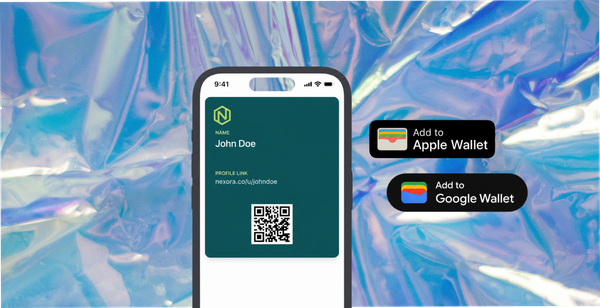
Instant reward delivery is the highest-converting mechanic for video submissions. A customer uploads their clip, and within seconds a reward lands on their phone as an Apple or Google Wallet pass. No code to copy and paste, no email to search for later. The pass is live, visible on the lock screen, and redeemable at checkout on their next order.
This overview of Shopify post-purchase reward mechanics explains why post-purchase engagement drops so sharply without an immediate reward mechanic - and why wallet delivery changes the equation.
Where to Deploy Video Reviews Once You Have Them
Rights-cleared video collected through a direct submission flow can work across every surface in your marketing stack:
Product pages. A short customer video showing the product in use - worn, used, opened, eaten - answers the visual question that stops hesitant buyers. Bazaarvoice data shows product pages with customer video see materially higher time-on-page and lower bounce rates than pages relying on studio imagery alone.
Meta and TikTok ads. Rights-cleared customer video outperforms polished brand creative at a fraction of the production cost. The algorithm favours authentic-looking content. The audience trusts it more. You're not manufacturing persuasion - you're amplifying the real thing.
Email campaigns. A customer video in an abandoned cart flow, a re-engagement sequence, or a seasonal campaign adds social proof at exactly the moment a buyer is deciding whether to return. Even a static thumbnail linking to a video on your product page is more persuasive than text alone.
Organic social. With rights cleared, customer video can go directly onto your Instagram, TikTok, and YouTube without the legal exposure of screenshotting and reposting public content.
Product launches. New SKU with no reviews yet? Seed early units to past customers, collect video via your submission flow, and launch the product page with real content from day one.
How 82DASH Collects Video Reviews for Shopify
A manual video review programme - individual asks, DM follow-ups, back-and-forth on permissions - doesn't scale past 50 orders a month before it breaks.
82DASH handles the collection, rights clearance, and reward delivery as a single automated flow.
Create a video campaign in minutes. Set up a branded collection page with your product, reward details, and submission instructions. Define whether you want video only, video with optional caption, or a combined photo/video/form submission.
Rights are cleared at submission. Every customer who submits through 82DASH agrees to your licence terms at the point of upload - before the content lands in your library. The consent record is stored automatically, retrievable if you ever need to demonstrate rights for an advertising platform or legal challenge.
The reward lands on their phone instantly. Video submissions trigger an instant reward delivered as an Apple or Google Wallet pass. The customer gets it within seconds of uploading. No code to copy, no email to find later.
Push notifications keep them engaged. Once a customer has your wallet pass from their first submission, you can send push notifications for future campaigns, launches, and sales events - with open rates that outperform email by a significant margin.
Dynamic QR codes connect packaging to campaigns. Print a QR code on your packaging insert once. Redirect it to any video collection campaign from your 82DASH dashboard - seasonal, product-specific, or ongoing. No reprinting required when campaigns change.
The Growth plan at $82/month covers 400 image and 200 video submissions per month with rights cleared at upload. Install from the Shopify App Store.
Isabelle Simon - Communications Lead - 82DASH
Video Reviews for Ecommerce: Frequently Asked Questions
Why do my review request emails get ignored?
Two reasons account for most ignored review requests. First, timing: if the email arrives before delivery is confirmed, or weeks after the product has become unremarkable, there's no moment of engagement to leverage. Second, the ask feels disproportionate - "leave a video review" with no reward and a multi-step submission process asks a lot for nothing in return. Fix the timing to 7-14 days post-delivery, add a meaningful reward, and reduce the submission to a single link. Response rates should improve significantly.
How long should a customer video review be?
15-30 seconds is the sweet spot for most ecommerce categories. Long enough to show the product, make a point, and feel credible - short enough that the ask doesn't feel daunting. Set this expectation on the submission page: "A 15-30 second clip is perfect." Customers will self-edit when given guidance. Don't require a minimum length or set a maximum under 60 seconds - you'll lose submissions from people who'd otherwise give you something excellent.
Can I use a customer's video in Meta ads without asking?
No. A purchase, a product tag, or a positive review does not constitute licence to use a customer's video commercially. Under US copyright law, the UK's intellectual property framework, and EU digital rights legislation, the creator of a video owns it. Using it in paid advertising without explicit written consent is infringement. The correct approach is rights clearance at the point of submission - before the video enters your library. Our rights clearance guide for Shopify ads covers what this needs to include.
What's a realistic video submission rate?
Unincentivised review requests to an unoptimised flow: 1-3% video submission rate. Incentivised requests with a streamlined submission page and instant reward: 15-25%, sometimes higher for brands with strong customer relationships. The gap is not about how much customers like the product - it's entirely about friction and motivation. Remove the friction, add the motivation.
Does this work if I sell low-cost products?
Yes, with reward sizing calibrated to the product value. A $15 product can support a 20-25% credit reward. The economics work because a single strong customer video, used in a Meta campaign, can generate returns many times the cost of the reward across every ad impression it earns. You're not spending $3 to collect a review - you're spending $3 to acquire creative that can run for months.
Do I need to edit customer video before using it?
Not usually. Authentically filmed, slightly imperfect video from real customers outperforms edited studio creative in most ad environments. Influencer Marketing Hub research consistently shows that informal, obviously-real customer content scores higher on trust metrics than polished brand video. A rough cut of a genuine customer talking about your product is more persuasive than a slick brand clip. Light colour correction is fine. Heavy editing removes the authenticity that makes it work.
Further Reading
Shopify UGC Strategy: Build a Customer Content Library 2026
Rights-Cleared UGC for Shopify Ads: The Complete Guide
How to Collect Customer Photos on Shopify and Reward via Apple Wallet