Shopify Food & Beverage Brands: Customer Content Strategy 2026
Your customers are already photographing your products. The system to collect those photos directly - with rights cleared and a reward delivered - is what most Shopify F&B brands are missing.
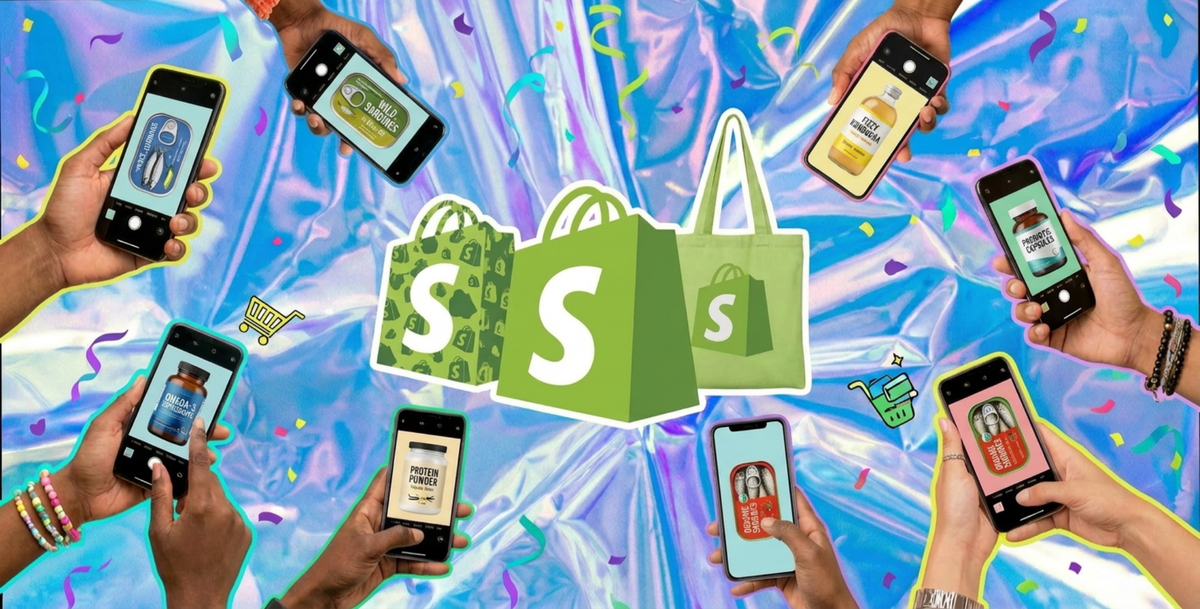
Food is the most photographed product category on the internet.
Your customers are already taking photos of your products - at the dinner table, on their kitchen counter, in their hands before they open the packaging. The question isn't whether they're creating content. It's whether any of it is making it back to you.
For most Shopify food and beverage brands, the answer is no. The photos exist. They're on customers' phones, occasionally on Instagram, rarely in the brand's hands. The system to collect them - directly, with rights, with a reason to submit - simply isn't in place.
This is the guide to building that system.
Why Customer Photos Are So Valuable for Shopify F&B Brands
Food and beverage occupies a unique position in e-commerce. The product is consumed. You can't photograph it the same way twice. Every customer's experience is slightly different - different preparation, different context, different setting.
That variability is the advantage.
A brand-produced studio shot of your hot sauce in a professional kitchen is fine. A photo a customer sent of their hot sauce being poured over tacos at a backyard barbecue, with a note about how it's become a household staple - that's the image that makes someone buy.
The data is consistent: customer photos on product pages drive 74% higher conversion than pages without them, per Salsify. User-generated content delivers 161% higher conversion lift than brand content, according to Bazaarvoice. For food and beverage specifically, where sensory experience and real-life context are the primary purchase barriers for new customers, real customer imagery closes that gap in a way no studio photography can.
There's a second reason F&B brands should be collecting customer content directly: recipe development and product insight. The answer a customer gives to "what do you make with this?" or "how do you use it differently to what's on the label?" is both marketing material and product development intelligence. Those customer answers become your best product page copy, your most useful recipe blog posts, your most authentic social content.
UGC vs CGC: The Distinction That Matters for Food & Beverage Brands
Most F&B brands hear "customer photos" and think Instagram. Post a photo, tag the brand, maybe add the hashtag. The brand reposts it. Simple.
Here's the problem. Content customers post on Instagram is not yours. If you repost it on your own feed, you're operating in a grey area. If you use it in a Meta ad, you're in copyright territory - without explicit permission, that's infringement, regardless of whether the customer tagged you.
What F&B brands actually need is customer-generated content, or CGC. Content customers submit directly to the brand, with rights cleared at the point of submission.
UGC - user-generated content - is the broader category. It includes tagged posts, hashtag content, review photos. Useful for visibility. But you don't own it, and most of the customers who would share privately will never post publicly. UGC strategies only reach those who do - and only if they post publicly and use your hashtag or tag.
CGC is direct submission. The customer submits through a form. Rights are cleared as part of that submission. You receive the photo, the video, or the written answer - and the licence to use it everywhere: paid ads, product pages, packaging, recipe content, email campaigns.
For food and beverage brands running any kind of content marketing, the distinction between owning your customer content and not owning it is significant.
The CGC Formats That Work Best for Shopify Food & Beverage
Product-in-use photography
Not your product on a white background. Your product being cooked with, being poured, being assembled into a meal, being eaten. The difference in ad performance between a studio shot and a real kitchen shot is consistent across the category. Real context answers the question prospective buyers are actually asking: "what will I do with this?"
Recipe submissions and application content
Ask customers what they make with your product. The answers become recipe content you can publish with attribution, product page FAQs, social posts, and email inspiration. A brand selling a specialty olive oil that receives 50 recipe submissions has 50 pieces of authentic content about how the product is actually used - better than any recipe developer you could hire.
Unboxing and delivery content
For subscription boxes, gift sets, and delivery products, the unboxing moment is peak emotional engagement. A customer opening a well-packed delivery box is at their most excited. This is the moment to capture. Unboxing content performs consistently well in ads for subscription F&B products.
Before-and-after and transformation content
Particularly relevant for health food, supplement, and functional beverage brands. A customer's honest account of what changed after using your product - their energy levels, their digestion, their routine - is the content that converts sceptical new customers who haven't yet committed to a first purchase.
Written answers and customer voice
"What do you like most about it?" "How do you use it?" "What would you tell a friend about it?" The answers to these questions are your best product page copy and your most authentic ad creative. Customer language - unpolished, specific, genuine - consistently outperforms brand-written descriptions.
Building a CGC Collection System for Your Shopify F&B Store
The system has three parts.
A submission flow. A direct link or QR code that takes customers to a brand-made, mobile-focused landing page where they can submit photos, videos, or written answers. It sits behind a link in your post-purchase email, a button on your order confirmation page, or a QR code on your packaging. The average customer submission takes under two minutes.
Rights clearance built in. At the point of upload, the customer agrees to a licence covering use across your paid ads, email, social, product pages, packaging, recipe content, and any other commercial application. You receive the content and the rights simultaneously. No chasing permissions after the fact, no ambiguity about what you can and can't use.
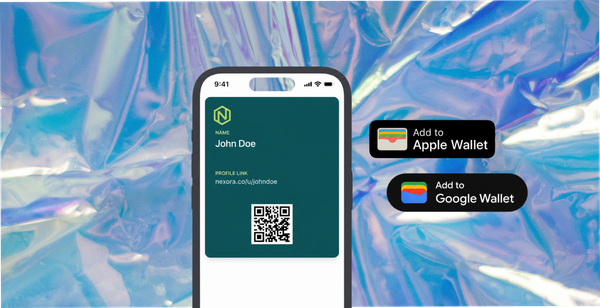
An immediate reward. The variable that turns occasional participation into a reliable stream. Not points. Not a prize draw. An instant, tangible reward that lands on the customer's phone the moment they submit - an Apple or Google Wallet pass with a discount on their next order or a free product with purchase.
For subscription F&B brands, the post-delivery window is ideal. Send the submission request 2-3 days after delivery. The customer has the product, they've used it once or twice, and they're engaged with the experience. For one-time purchases, 5-7 days after delivery is the right window.
What Submission Rates Should F&B Brands Expect?
A well-run submission flow with a genuine reward typically achieves 6-10% participation across all orders. For a Shopify store with 400 orders per month, that's 24-40 submissions per week, 100-160 per month.
Within 60 days, that's 200-320 pieces of licensed customer content. Photos, videos, written answers - all owned, all usable across every channel.
Three variables that move the number higher:
Reward specificity. "15% off your next order" outperforms "enter to win a hamper." The more immediate, the more certain, and the more tangible the reward, the higher the participation rate. A Wallet pass landing on the customer's phone within seconds of submission is visible, memorable, and creates a return-visit trigger.
Brief quality. Ask specifically. "Share a photo of how you use [product name] - in your kitchen, at a picnic, in a meal you've made with it" generates better content than "share a photo of your order." For written submissions: "In one sentence, what would you tell a friend about this?" produces more useful copy than "leave a review."
Packaging insert. For F&B brands, the physical package is a high-attention touchpoint. A QR code on a packaging insert or a card inside the box reaches customers who don't open emails and captures the unboxing moment directly.
How 82DASH Powers CGC Collection for Shopify F&B Brands
82DASH connects to your Shopify store and runs the collection-and-reward system automatically. You create a campaign - what you're asking for, what the reward is, and how it's triggered. Add a submission link to your post-purchase email or order confirmation page. Add a QR code to your packaging.
Customers submit through a mobile-focused landing page. Rights are cleared automatically at submission. An Apple or Google Wallet pass lands on their phone immediately.
The Growth plan at $82/month covers up to 400 photos and 200 videos per month. For most Shopify F&B stores, that's ample capacity. The Starter plan at $50/month covers 200 image submissions - enough for stores in earlier growth stages building their initial library.
The practical output: a growing library of real customer photos, recipe submissions, and insights that costs a fraction of a professional content shoot and produces content that your studio photography simply cannot replicate.
Install 82DASH directly from the Shopify App Store.
Deploying Your F&B Customer Content Library
Product pages. Customer photos alongside product descriptions. For food and beverage, this means real kitchens, real meals, real people using the product. A prospective buyer who has seen 10 customer photos of a product being used in different contexts has already visualised themselves using it.
Meta and TikTok ads. Real product-in-use photos and short customer videos consistently outperform studio imagery for F&B brands. The less it looks like an ad, the better it performs - because it signals genuine customer experience rather than paid production.
Recipe content. Customer recipe submissions, published on your blog with attribution, become SEO content that drives organic traffic and builds a community around your products. A brand with 30 customer recipes published has 30 pieces of content that would have cost thousands to develop through a recipe developer.
Email marketing. Customer photos and testimonials in promotional emails outperform brand photography alone. For subscription F&B brands, featuring customer submissions in monthly newsletters drives engagement and makes existing subscribers feel part of a community.
Wholesale and trade. When pitching to stockists, deli buyers, or retail chains, real customer photos showing your product being used in homes demonstrate demand in a way that brand imagery cannot. A deck showing 50 real customer photos of your product in use is a more powerful sales tool than any professional shoot.
Isabelle Simon - Communications Lead - 82DASH
Frequently asked questions
What types of photos perform best for F&B brands in Meta ads?
Product-in-use consistently outperforms product-on-white for food and beverage. The closer to a real meal, a real kitchen, and a real person the better. For subscription products, unboxing moments and delivery shots perform strongly. For health and functional products, before-and-after and transformation content is the most persuasive format.
How do I use customer recipe submissions as marketing content?
Publish them on your blog with the customer's name and photo (with their permission, which should be part of your submission licence). Use them as email content. Repost on social with attribution. The customer gets visibility; you get authentic, SEO-friendly recipe content that demonstrates real-world use of your product.
Do I need rights clearance to repost a customer's Instagram photo of my product?
Yes - if you want to use it beyond your own organic social feed. An Instagram tag or branded hashtag is not a licence. If you plan to use customer imagery in paid ads, email campaigns, on your website, in printed materials, or on packaging, you need documented permission. The cleanest approach is to collect through a submission flow where rights are cleared at the point of upload.
What's a realistic submission rate for a subscription F&B brand?
Subscription brands tend to see higher submission rates than one-time purchase brands because the relationship is ongoing and customers have a stronger connection to the product. Well-run subscription brands with meaningful rewards achieve 10-15% participation. That's one in eight to one in ten subscribers contributing content per cycle.
How early should I ask for content - before or after the customer has used the product?
After. For most food and beverage products, the ideal window is 3-7 days after delivery - enough time for the customer to have used the product once or twice and formed a genuine view. Asking at checkout or immediately post-purchase produces lower-quality, less authentic content.