Shopify Fashion Brands: Build a Customer Content Library That Sells
Real customer photos in Meta ads consistently outperform studio imagery for fashion brands. Here's how to build a licensed customer content library on Shopify that compounds with every order.
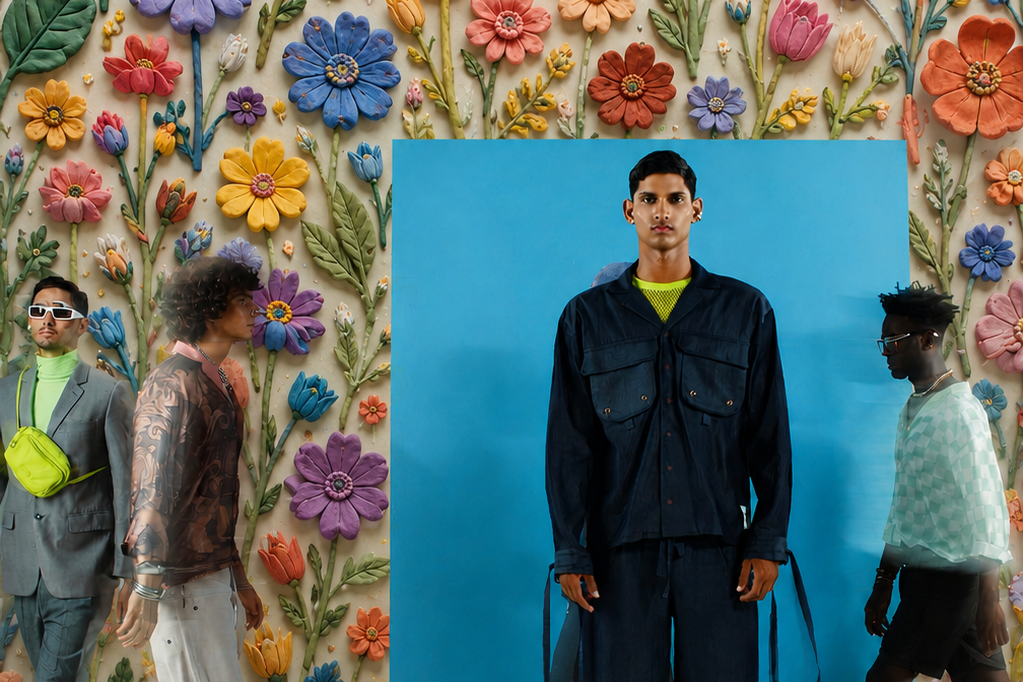
Open any fashion brand's Meta ad account and you'll find two types of creative: the studio shoot that cost £3,000 and the customer photo someone submitted from their wardrobe.
Guess which one has a lower cost per click.
It's not close. Real customers in real outfits, in real homes, in real light, consistently outperform studio imagery on the metrics that matter - click-through rate, cost per acquisition, and return on ad spend. Not because the photography is technically better. Because it's true.
The Shopify fashion brands building genuine advantages right now are not the ones with the best studio content. They're the ones with the deepest libraries of licensed customer photos. Here's how to build one.
Why Customer-Generated Content Outperforms Studio Photography for Shopify Fashion
There's a reason fashion is the most data-rich vertical when it comes to customer content performance. The product is worn by real people in real environments. That's what a prospective buyer wants to see - and that's exactly what studio photography can't provide.
A model in a controlled shoot answers one question: does this look good on a model? A customer photo in a real outfit, real location, real context answers the question that drives purchase decisions: "could this work for someone like me?"
The data is consistent. Customer photos on product pages drive 74% higher conversion than pages without them, according to Salsify. User-generated content delivers 161% higher conversion lift than brand content, per Bazaarvoice. For fashion specifically, where fit, styling, and real-world appearance are the primary purchase barriers, the gap is even wider.
There's a second advantage that matters as much as conversion: volume and variety. A studio shoot produces 30-50 images across a fixed range of models, settings, and styling choices. A customer content library produces an image for every body type, every styling context, every occasion, and every geography where you sell - automatically, as orders come in.
UGC vs CGC: Why Shopify Fashion Brands Need the Distinction
Most fashion brands hear "customer content" and think UGC - user-generated content. Tagged Instagram posts, TikTok haul videos, hashtag campaigns. There's value in that content. But it comes with a significant limitation.
What most merchants actually need is customer-generated content, or CGC. The distinction matters for Shopify fashion brands specifically.
UGC is public. It's content customers create for a social audience, tagged with your brand or posted with your hashtag. UGC display tools pull this content from social platforms and show it as galleries on your storefront. Useful for social proof. But you don't own that content. You cannot legally use a tagged Instagram photo in a Meta ad, in an email campaign, or on your packaging without explicit permission from the customer who created it.
CGC is direct. It's content customers submit to you - through a form, not to a social feed. Rights are cleared at the point of submission. The customer uploads a photo and grants a licence simultaneously. You receive the content and the right to use it everywhere: paid ads, email, product pages, print, packaging, wholesale decks.
For a fashion brand running Meta ads with customer imagery, the difference is material. An ad running unlicensed content is a copyright liability. An ad running properly licensed CGC is a competitive asset.
The Four Types of CGC That Drive Results for Shopify Fashion Brands
1. Styled outfit photos
The most valuable content type for most fashion brands. Not a product flatlay - an outfit. The customer, wearing your piece, styled their way, in their environment. A dress at a dinner. Trainers at the park. A jacket on a commute. Content that shows prospective buyers how real people actually wear the product.
2. Fit and body diversity shots
Fashion's largest content gap. Studio shoots produce imagery across a narrow range of body types and styling choices. Customer submissions fill that gap automatically. A buyer who is a size 16 or 5'2" or shopping for petite or plus sizes wants to see the product on someone who looks like them. Studio shoots can't provide that at scale. A customer content library does.
3. Occasion and context shots
How does the product look at work? On a night out? At the gym? Customers photograph products in the moments they actually wear them. This contextual variety - across occasions, settings, and seasons - generates content that answers the specific purchase question at every stage of the consideration journey.
4. Written answers to specific questions
Not just photos. The answers customers give when you ask them "how did you style this?" or "what's the fit like?" or "what almost stopped you buying?" are both marketing intelligence and marketing material. The most persuasive copy on your product pages often comes directly from customers describing the product to each other.

How to Build a CGC Collection System for Your Shopify Fashion Store
A sustainable customer content library is not built through campaigns. It's built through infrastructure - a system that runs automatically with every order.
The flow has three components.
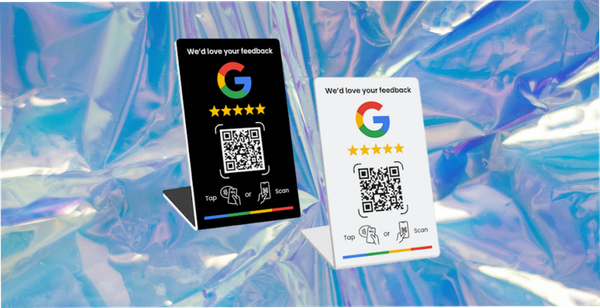
A direct submission link. Customers reach a brand-made, mobile-focused landing page through a link in your post-purchase email, a button on your order confirmation page, or a QR code on your packaging insert. It asks for what you want: styled photo, video, written answer, or a combination. Takes under two minutes to complete.
Rights cleared at submission. When the customer uploads, they agree to a licence covering use across your paid ads, email campaigns, social posts, product pages, print, and packaging. You receive the content and the licence simultaneously. No chasing permissions after the fact.
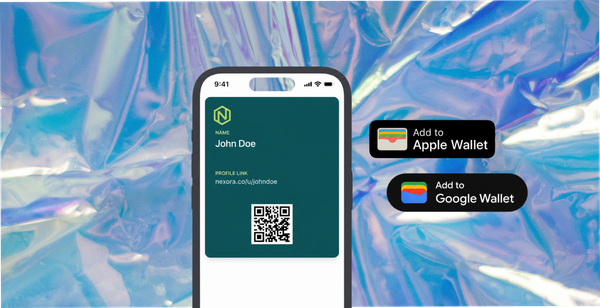
An immediate, tangible reward. The incentive that makes the difference between occasional participation and a consistent stream of submissions. The most effective reward for fashion brands is a specific discount on the next order - delivered instantly as an Apple or Google Wallet pass. Not "earn points towards a future reward." A pass that lands on the customer's phone within seconds of submitting, with a clear value and a clear expiry.
The timing matters as much as the structure. The best window to ask is 3-5 days after delivery - when the customer has the product, has formed a view, and is still in a positive headspace from their purchase experience.
What Submission Rates Can Shopify Fashion Brands Expect?
The headline numbers: a well-run submission flow with a genuine reward achieves 6-10% submission rate across all orders. For a store processing 300 orders a month, that's 18-30 submissions per week, 75-120 per month.
Within three months, a 300-order store has 225-360 licensed customer photos. A library that covers body diversity, styling variety, and real-world context that no studio shoot could replicate - and that cost a fraction of what a traditional shoot would.
The variables that drive higher rates:
Reward value. A 20% discount outperforms a 10% discount. Obvious, but underused. The reward cost is negligible compared to the value of a licensed customer photo in a performing Meta ad.
Brief specificity. "Share a photo of your order styled your way" outperforms "share a photo of your purchase." Give customers a clear, creative prompt. Fashion customers often enjoy the styling challenge.
Multiple touchpoints. Post-purchase email is the primary trigger. Order confirmation page adds a second chance. A packaging insert QR code reaches customers who don't open emails. Each additional touchpoint increases overall submission rate.
Social sharing opt-in. Some brands add an optional prompt: "Would you also like to post this on Instagram? Here's a suggested caption." The product handles the submission - the brand can encourage but doesn't mandate social posting. Some customers will do both.
How 82DASH Powers CGC Collection for Shopify Fashion Brands
82DASH is built for exactly this. It connects to your Shopify store and runs the collection-and-reward system automatically on top of your existing fulfilment workflow.
Setup: connect 82DASH to Shopify, create a campaign (what you're asking for, what the reward is), add a submission link to your post-purchase email or order confirmation page. Customers submit through a mobile-focused landing page. Rights are cleared automatically. An Apple or Google Wallet pass lands on their phone immediately.
On the Growth plan at $82/month, you can collect up to 400 photos and 200 videos per month - more than sufficient for most Shopify fashion stores. The Starter plan at $50/month covers up to 200 image submissions per month for earlier-stage stores.
The practical output after 90 days of running the system: a licensed content library of 200-400 real customer photos. A creative asset you own outright, that covers the body diversity and styling variety your studio shoot never will, and that performs better in paid ads than anything you've produced with a professional photographer.
Install 82DASH directly from the Shopify App Store.
Where to Use Your Shopify Fashion Customer Content Library
Meta and Instagram ads. Real customer photos in carousel and single-image ads consistently outperform studio imagery on CTR and CPA. The most effective format for fashion: a collage of 3-4 customer photos showing the same piece styled differently. Multiple people, multiple contexts, one product.
Product pages. Customer photos alongside studio imagery. A buyer who has scrolled through 8 customer photos showing the product in real outfits is a buyer who has answered their own objections before they've reached the add-to-cart button.
Email campaigns. Promotional emails with customer photos outperform those with brand photography alone. Fashion newsletters with customer styling inspiration generate higher click-through rates than lookbook-style brand content.
Google Shopping. Customer images submitted for Google Shopping listings stand out against white-background competitors. A product shown in a real outfit in search results drives higher click-through than the same product on a white background.
Packaging and print. A licensed customer photo on a tissue paper insert, a postcard, or a swing tag communicates something that no brand statement can: real people love this product.
Isabelle Simon - Communications Lead - 82DASH
Frequently asked questions
How do I get customers to submit higher-quality photos?
Give them a specific brief. "A styled outfit photo showing [piece name] - in your home, out and about, wherever you'd wear it" produces better content than "share a photo of your order." Include an example of the kind of content you're looking for. Fashion customers, specifically, often engage well with creative prompts.
What if a customer submits a low-quality photo?
You're not obligated to use everything you receive. Build a library and curate. Even at a 50% usability rate, a store collecting 80 submissions per month has 40 usable, licensed images per month - more than enough for ad creative rotation and product page imagery.
Can I use customer photos in Meta ads legally?
If the content was collected through a properly structured submission flow with rights clearance built in, yes. If it was scraped from Instagram or pulled from a hashtag feed without explicit permission, the answer is almost certainly no. The licence that matters is the one granted at the point of submission - not the implied permission of a public post.
Will customers share content if they're not influencers?
Yes - and the data shows that non-influencer customers produce better-performing content than creator-produced content for most fashion brands. Authenticity is the variable that drives ad performance, not follower count. An everyday customer in their real wardrobe converts better than a styled shoot.
How much should I offer as a reward for a fashion photo submission?
A specific, immediate reward performs better than points or a prize draw. For fashion, 15-20% off the next order is a strong incentive - enough to feel meaningful without eroding margin significantly. The reward should be visible upfront in your submission request, not revealed after submission.
Further reading
- Shopify Customer Content Strategy: The Complete Guide 2026
- How to Collect Customer Content on Shopify Without Instagram Hashtags
- Rights-Cleared UGC for Shopify Ads: The Complete Guide
- How to Collect Customer Photos on Shopify and Reward via Apple Wallet
- Shopify Customer Photo Contest: Reward by Selection