Shopify Beauty & Skincare: Customer Content Strategy 2026
Before-and-after content from real customers converts better than any studio creative in beauty. Here's how Shopify beauty and skincare brands collect it directly, clear the rights, and build a library that drives sales.

A customer posts a 30-second video showing their skin before and after six weeks of using your serum.
You didn't brief it. You didn't script it. You didn't pay for it. And it converts better than anything your creative agency has produced.
That's not a coincidence. It's the core dynamic of why beauty and skincare is the category where customer content has the highest commercial impact - and why the Shopify brands building systematic content collection workflows are the ones pulling ahead.
Here's how to build one.
Why Beauty & Skincare Customer Content Outperforms Brand Creative
Beauty is a category built on transformation. The customer's question isn't "does this product look good in a photo?" It's "will this product change something for me?" No studio shoot, no influencer partnership, and no AI-generated creative can answer that question the way a real customer can.
This is why the data on customer content performance is especially pronounced for beauty and skincare.
Customer photos on product pages drive 74% higher conversion than pages without them, according to Salsify. User-generated content delivers 161% higher conversion lift than brand content, per Bazaarvoice. For beauty specifically - where the purchase barrier is "will this work on my skin, my hair, my specific concern?" - the gap between brand creative and real customer content is even wider.
The second dynamic: trust. Beauty customers are sophisticated. They've been marketed to aggressively for years. They've learned to identify retouched imagery, filtered "transformations," and influencer content that was paid for. Real, unfiltered customer content - the kind that doesn't look like an ad - is the content that breaks through.
A photo of your moisturiser on a customer's actual bathroom shelf, with a honest note about what changed after 30 days, is worth more than a full-page glossy editorial. Not for aesthetics. For conversion.
UGC vs CGC: The Distinction That Changes the Strategy for Beauty Brands
UGC - user-generated content - is content customers post publicly on social platforms. Instagram reels, TikTok videos, hashtag campaigns. For beauty brands, this has traditionally meant influencer seeding, product sampling programmes, and branded hashtag campaigns. The content lives on social. The brand reposts it. Sometimes it performs well.
The problem: you don't own it. A customer's TikTok video of your product is not yours to use in a Meta ad, in an email campaign, or anywhere beyond your own social feed without explicit permission. And the customers who would happily share content with you directly - the ones with genuine results, genuine opinions, and genuine before-and-after photos - may never post publicly.
Research consistently shows the majority of customers willing to share content privately with a brand will not post it publicly. For beauty, this is particularly significant. Before-and-after photos are personal. Customers with real results may be reluctant to post them on Instagram but will happily submit them directly to a brand they trust.
Customer-generated content, or CGC, is what you actually want. Content customers submit directly to you - through a form, not to a social feed. Rights are cleared at the point of submission. You receive the photo, the video, or the written response - and the licence to use it everywhere: paid ads, product pages, email, print, packaging.
The customers who won't post publicly? CGC collection reaches them. UGC strategies don't.
The CGC Formats That Drive Sales for Beauty & Skincare Brands
Before-and-after photography
The highest-converting content type in beauty. A split image showing a customer's skin before starting a product and after 4-6 weeks of use answers the most important buyer question in the category: does this actually work?
Before-and-after content requires proper briefing. Give customers specific guidance: same lighting, same angle, no filter. Make clear that you'll use the content in ads and on your website - customers who agree to this are giving you something valuable and should be rewarded accordingly.
Product-in-routine and shelfie photos
Your serum on a customer's bathroom shelf, alongside the other products they use. Your cleanser next to a real bathroom sink. These images answer a question studio photography can't: "does this look like something a real person uses?" They also generate aspirational "shelfie" content that performs well on social and in email.
Short video reviews (15-60 seconds)
A customer explaining what they like about your product in their own words, on camera, in natural light. Harder to fake. Harder to scroll past. For beauty specifically, video converts significantly better than photos for consideration-stage customers who have already seen the product but haven't decided to buy.
Skin type and concern-specific submissions
Ask customers to include their skin type, primary concern, and how long they've been using the product. This metadata makes the content more useful. You can deploy a submission from a customer with dry, sensitive skin to the audience of dry-sensitive customers seeing your ad. The specificity of the match is what drives conversion.
Answers to product questions
"How has your skin changed since you started using this?" "What would you tell someone considering this product?" "What were you worried about before you bought, and what happened?" These written responses are your best ad copy, your best product page descriptions, and your best sales tool for sceptical new customers.
Building a CGC Collection System for Your Shopify Beauty Store
The system that makes this work at scale has three components.
A direct submission flow. A brand-made, mobile-focused landing page customers reach through a link in your post-purchase email, your order confirmation page, or a QR code on your packaging. For beauty products specifically, timing matters: ask for before-and-after content 4-6 weeks after purchase, not immediately. Give customers time to see results.
For initial photos and product-in-routine shots, 5-7 days post-delivery is the right window. For transformation content, trigger a second request at 4-6 weeks. You're asking for two different things at two different points in the customer journey.
Rights clearance built in. The customer agrees to a licence covering use across your paid ads, email, social, product pages, print, and packaging - at the point of submission. You receive the content and the rights simultaneously. For beauty brands using customer imagery in Meta ads, this is not optional. Running a customer's photo in a paid ad without documented permission is copyright infringement.
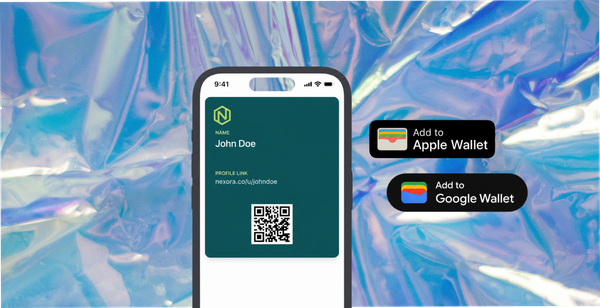
An immediate, meaningful reward. For a beauty brand, the reward should reflect the value of what you're asking for. A before-and-after transformation photo with permission to use in paid ads is worth more than a product review. Reward accordingly. An Apple or Google Wallet pass with 20-25% off the next order, or a free full-size product with their next purchase, delivered instantly to their phone at the moment of submission.
What Submission Rates Can Shopify Beauty Brands Expect?
A well-designed submission flow with a meaningful reward achieves 6-10% participation across all orders. For a Shopify beauty brand with 300 orders per month, that's 18-30 submissions per week, 75-120 per month.
Within 90 days: 225-360 licensed pieces of customer content. Before-and-after images, routine photos, video reviews, and written responses - all owned, all usable across every channel.
Three variables that move rates higher in beauty specifically:
Reward level. Beauty customers are accustomed to sampling, gifting, and incentive programmes. A 25% discount or a full-size product reward converts better than a 10% code. The reward signals how seriously you take their contribution.
Brief quality. For before-and-after: give specific guidance on how to take the photos (natural light, same angle, no filter). Customers who receive clear guidance produce better content and are more likely to complete the submission.
Follow-up timing. A second touchpoint at 4-6 weeks specifically requesting transformation content drives the highest-value submissions. Customers who have seen results are more motivated to share them - and their content is more credible.
How 82DASH Powers CGC Collection for Shopify Beauty Brands
82DASH connects to your Shopify store and runs the collection-and-reward workflow automatically. You create a campaign: what you're asking for, what the reward is, and when it's triggered. Add the submission link to your post-purchase email flow. Set up a second trigger at 4-6 weeks for transformation content.
Customers submit through a mobile-focused landing page. Rights are cleared automatically at submission. An Apple or Google Wallet pass lands on their phone within seconds - a specific discount or free product, visible and redeemable on their next order.
Growth plan at $82/month covers 400 photo and 200 video submissions per month. The Starter plan at $50/month covers 200 image submissions for stores in earlier growth stages. You can collect both short-term routine content and longer-term transformation content within a single account.
Install 82DASH directly from the Shopify App Store.
Deploying Your Beauty Customer Content Library
Meta ads. Real customer skin transformation content in carousel ads consistently outperforms brand creative for beauty brands. The most effective format: two or three before-and-after sequences from different skin types and concerns, targeting the matching audience. Skin type specificity is the match that drives conversion.
Product pages. Before-and-after imagery alongside your product descriptions. A section showing results from customers with different skin types and concerns. The prospective buyer who finds their own skin type represented in your customer content library is far more likely to convert than one who sees generic model photography.
Email campaigns. Customer stories and transformation photos in promotional emails outperform product photography alone. For loyalty and repurchase emails specifically, featuring a customer result relevant to the segment you're mailing is a significant conversion driver.
TikTok and Instagram. Licensed customer video submissions can be reposted to your organic social channels with attribution - giving you authentic content that performs better than scripted brand videos. You're not pulling content without permission; you're using content customers submitted directly.
Consultation and education content. Beauty brands increasingly use customer insight submissions as product education material. If 40% of customers mention they use your serum on dry skin over the eye area, that's a use case worth building content around. Customer answers to open questions are your best source of real-world product education.
Isabelle Simon - Communications Lead - 82DASH
Frequently asked questions
How do I get customers to submit before-and-after photos?
Give them a clear brief and a meaningful reward. Specify the photography guidance (natural light, no filter, same angle) and explain what you'll use the photo for. Reward before-and-after submissions more generously than standard product photos - they're more valuable and require more effort. A 20-25% discount or a free full-size product is appropriate for transformation content.
When should I ask for transformation content - immediately post-purchase?
No. For most skincare products, ask for initial product-in-routine photos at 5-7 days post-delivery, and send a second request specifically for before-and-after or transformation content at 4-6 weeks. Customers who have seen results are more motivated to share them, and the content they submit at that stage is significantly more credible and conversion-driving.
Can I use customer skin photos in Meta ads without additional consent?
Only if the rights were cleared at the point of submission. A submission form with a licence agreement covering use in paid ads is the clean approach. An Instagram repost, a screenshot of a tagged story, or a hashtag pull does not give you permission to run the content in paid ads. The FTC's rules on endorsements and the copyright status of customer-created content make this a real compliance risk.
What's the difference between influencer content and CGC for beauty brands?
Influencer content is paid for, typically disclosed as sponsored, and created for a social audience. CGC is submitted by everyday customers who bought the product, used it, and chose to share their results. Both have value. But in terms of trust and conversion, everyday customer content - especially transformation content from non-influencers - consistently outperforms influencer content for consideration-stage and conversion-stage audiences.
Should I ask customers to also post on social when they submit content to me?
You can include an optional prompt encouraging customers to share on their own social channels if they'd like to - with a suggested caption. Some customers will. Many won't. But the submission to you and the social post are separate things. The product handles the direct submission; you can encourage but should never require the social post. The content you receive through the submission flow is yours regardless of whether the customer posts publicly.