Looking for an Olapic Alternative? The Best Shopify Options for Customer Photos
Looking for an Olapic alternative? Olapic is now part of Social Native rather than a standalone product. Here's what changed in the customer photo space and the best Shopify options to choose from based on what you actually need.

If you're searching for an Olapic alternative, here's the background: Olapic - which built its business on visual commerce and customer photo collection for enterprise brands - was acquired by Monotype in 2016 for approximately $130 million, then acquired from Monotype by Social Native in 2020. Olapic's technology now operates as part of Social Native's platform rather than as a standalone product.
If your business relied on Olapic for collecting and displaying customer-generated photos, you need a replacement. This guide covers what Olapic did, what has changed in the customer photo space since it was built, and which tools make sense as alternatives depending on what you actually need.
What Olapic Did - and Why the Category Has Moved On
Olapic built its product around two capabilities: pulling user-generated content from social platforms (primarily Instagram and Twitter) and displaying that content in visual commerce galleries on brand websites.
The product was genuinely innovative when it launched. In 2012-2015, pulling social content and displaying it in shoppable galleries was novel. The UGC display category it helped create now has dozens of tools competing in the same space.
But the category has also hit structural limits that Olapic's model shared.
The rights problem. Pulling content from Instagram and displaying it on a brand's website is legally ambiguous at best. An Instagram post is not a content licence. Meta's platform terms are restrictive about third-party scraping. The FTC's updated rules on incentivised content and endorsements have increased scrutiny on brands using customer content without documented permission.
The volume problem. Tools that rely on social platform content only reach customers who post publicly. The majority of customers who would share content privately with a brand will never post publicly. An Olapic-style tool, by design, only reaches those who do.
The platform dependency problem. Every tool built on pulling Instagram content operates at the discretion of Meta's API policies, which have narrowed repeatedly. The Instagram Basic Display API was switched off on 4 December 2024, breaking a tranche of third-party integrations at a stroke, and the APIs that replaced it require a business account and app review.
Olapic for Shopify: what merchants used it for and what to use instead
Olapic was an enterprise platform rather than a Shopify-native app. Merchants who ran it on Shopify typically did so through a script or theme embed that placed a shoppable gallery on product and collection pages, with the content pulled from Instagram hashtags and brand mentions. Three jobs were being done at once:
- Social proof on the product page. A row of customer photographs under the buy button, to reduce hesitation at the point of decision.
- Content supply for campaigns. A pool of real-looking imagery to feed paid social and email, subject to whatever rights had been secured.
- Rights requests at scale. Comment-and-reply permission workflows to turn a public post into something legally usable.
Since Olapic moved inside Social Native, Shopify merchants have generally split those jobs across two kinds of tool: a review or gallery app for the display job, and a collection tool for the supply and rights jobs. If you only need the first, any of the Shopify-native gallery apps will do it. If you need the second, display tools cannot help, because they do not collect anything - they arrange what already exists.
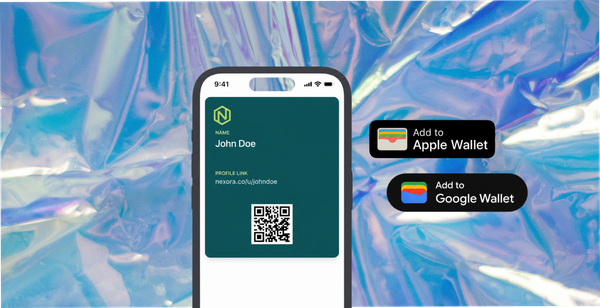
82DASH is built for the second job on Shopify: the merchant asks, the customer submits, the licence is cleared at upload, and a wallet pass carrying a reward lands on the customer's phone in Apple Wallet or Google Wallet.
UGC vs CGC: Understanding the Distinction Before Choosing a Tool
UGC display tools pull content from social platforms and display it on your website. They work by scraping tagged posts, hashtag content, or brand mentions. The content is not owned by the brand - it's displayed with varying degrees of legal clarity. These tools are primarily useful for social proof on storefront pages.
CGC collection tools enable brands to collect content directly from customers - through a submission form, not from a social feed. The customer uploads content directly to the brand. Rights are cleared at the point of submission. The brand receives the content and a licence to use it everywhere: paid ads, email, product pages, packaging, and print.
If Olapic was primarily solving a social proof display problem for you, a UGC display tool may be the right replacement. If you want to own the content you collect and use it across all your marketing channels, you need a CGC collection tool.
Most brands replacing Olapic find they need both - but the more valuable capability by far is collection, not display.
Olapic alternatives for Shopify: collection versus display
The category splits in two. Display tools surface content that already exists somewhere else. Collection tools bring content in from your own customers, with the licence attached. Olapic sat firmly on the display side, which is why a like-for-like swap rarely solves the problem merchants actually have.
| Tool | Collection or display | Where the content comes from | Rights cleared at submission | What the customer gets back |
|---|---|---|---|---|
| 82DASH | Collection | Customers submit directly, via post-purchase email, order confirmation page, QR code or NFC tap | Yes, at the point of upload | An Apple or Google Wallet pass carrying a reward, within seconds |
| Nosto (formerly Stackla) | Display | Aggregated from social platforms | No, rights are requested after the fact | Nothing |
| Loox | Display | Photo reviews attached to orders | No | Nothing |
| Yotpo | Display | Photo reviews, plus social aggregation | No | Nothing |
Read across the table rather than down it. The display column is a crowded market and the tools in it are broadly interchangeable. The collection column is where the content becomes yours.
Direct collection with rights cleared: 82DASH
82DASH is the most direct Olapic alternative for brands that want to collect customer photos and videos with rights automatically cleared.
Where Olapic pulled content from social platforms, 82DASH collects it directly from customers through a submission flow. The customer submits through a brand-made, mobile-focused landing page - triggered via post-purchase email, order confirmation page, QR code, or NFC tap. Rights are cleared at the point of upload. The brand receives the content and the licence simultaneously.
The differentiator no other tool in the category offers: instant Wallet rewards. When a customer submits content, an Apple or Google Wallet pass lands on their phone within seconds - a discount on their next order, a free product, or a reward by selection. The reward creates a return-visit trigger and drives higher submission rates than discount codes or prize draws.
For Shopify merchants specifically, 82DASH connects natively to Shopify and Shopify POS. The submission flow integrates with your post-purchase email and order confirmation page without custom development.
Pricing: Starter $50/month (200 image submissions), Growth $82/month (400 photos, 200 videos), Pro $120/month (1,000 photos, 400 videos)
Best for: Shopify merchants who want to own their customer content, clear rights at submission, and reward customers with Wallet passes to drive return purchases.
Install 82DASH directly from the Shopify App Store.

What's Changed Since Olapic Was Built
Olapic launched when Instagram's API was open, social proof galleries were novel, and rights clearance was not yet a live issue for most brands.
All three of those conditions have changed.
Instagram's API is significantly restricted. The FTC is actively enforcing rules around undisclosed incentivised content, with civil penalties of up to $53,088 per violation, the inflation-adjusted maximum in force since January 2025. And customers - the ones who matter, who convert and return - have become significantly more sceptical of content that looks manufactured or pulled from a platform.
The tools built around social content pulling are operating against a tightening regulatory and platform environment. The tools built around direct collection - submitting to the brand, not to a social feed - are operating with the wind behind them.
The customers who will never post publicly but will happily submit directly to a brand represent the largest untapped content resource in e-commerce. No Olapic-style tool could reach them. That's the gap direct collection tools fill.
Migrating from Olapic: What to Consider
If you're migrating away from Olapic, a few practical questions to resolve before choosing a replacement:
What content do you currently have? If Olapic was your primary content library, export everything now rather than later. No end date for the product has been announced publicly, but a platform absorbed into a larger one in 2020 is not a safe long-term home for your only copy. Even where content was pulled from social platforms, you may have been operating under terms that granted display rights. Review what you have and what you actually own.
What do you actually need the content for? If your primary use case was gallery display on product pages, any of the Shopify-native review and gallery apps in the table above will do that job, and they are largely interchangeable. If you want to use customer content in paid ads, email, print, and packaging, you need rights clearance built into the collection flow - which points toward 82DASH.
What's your Shopify order volume? For collection tools, pricing is typically tied to submission volume. A store with 200 orders per month running a 6-10% submission rate generates 12-20 submissions per week. The 82DASH Growth plan at $82/month covers 400 photo and 200 video submissions per month - sufficient for most Shopify stores.
Do you need to incentivise submissions? If your customers haven't been submitting content to you before, they won't start without a reason. A genuine, immediate reward - a Wallet pass with a specific discount - is what converts content requests into a reliable stream of submissions.
The Bigger Picture: From Display to Ownership
Olapic was a display business. It showed you customer content from social platforms.
The replacement isn't just a better display tool. It's a different model: one where you collect directly, clear rights at submission, own the content outright, and reward the customers who create it.
That's a fundamentally better position for a brand to be in. Not dependent on social platform APIs. Not chasing permissions after the fact. Not limited to the minority of customers who post publicly.
The brands building customer content libraries now - through direct submission, with rights cleared, with Wallet rewards driving repeat purchases - are building something Olapic never could.
Isabelle Simon - Communications Lead - 82DASH
Frequently asked questions
Is Olapic still operating?
Not as a standalone product. Olapic was acquired by Monotype in 2016 for approximately $130 million, then acquired from Monotype by Social Native in 2020. Its technology now operates as part of Social Native's platform rather than under the standalone Olapic brand. If you are looking for a dedicated customer-photo tool for Shopify, you will likely want to evaluate the alternatives below.
What's the closest direct replacement for Olapic?
On the display side, Nosto (formerly Stackla) is the closest like-for-like to what Olapic did, since it aggregates and displays social content rather than collecting anything. For Shopify merchants looking to collect customer content directly with rights clearance and Wallet rewards, 82DASH is the purpose-built alternative.
Can I still use the content I collected via Olapic?
This depends on the licence terms you were operating under. Review your Olapic contract and the rights clearance status of individual pieces of content before continuing to use them in marketing. Content pulled from social platforms without explicit per-piece rights clearance may require follow-up permissions if you plan to use it in paid ads or print.
Why should I switch to direct collection instead of another UGC display tool?
UGC display tools only reach customers who post publicly, which is a minority of any customer base. Direct collection reaches everyone who bought from you, including the much larger group who would happily send a photo to the brand but would never post one to a public feed. You also own the content you collect directly, meaning you can use it in paid ads, email, packaging, and wholesale decks without additional permissions. The combination of broader reach and outright ownership makes direct collection the stronger long-term position.
What does 82DASH cost compared to enterprise tools like Olapic?
82DASH pricing starts at $50/month (Starter) and $82/month (Growth). Enterprise UGC platforms like Olapic typically operated on six-figure annual contracts. 82DASH is purpose-built for Shopify merchants at a fraction of the enterprise price point, with the same direct collection and rights clearance capability.