The Incentivised Feedback Loop: How Smart Brands Turn Every Customer Into a Contributor
Smart brands are turning customer feedback into a competitive advantage. Here's how to build an incentivised feedback loop that drives retention and real insight.

Your best customers aren't telling you anything.
Not because they don't care. Not because the experience was bad. They're staying silent because they've learnt that feedback goes into the void. A survey email lands in an inbox three days after the purchase. It's opened by 12% of people. It's completed by 3%. The rest delete it and move on.
Meanwhile, the 75% of your customer base who are neither delighted nor furious - the ones whose opinion actually matters most - are saying nothing at all. They didn't complain. They didn't rave. They had an experience, and now they're gone.
This silence is expensive. It costs you in the form of incremental churn, missed opportunities to turn neutral customers into loyal ones, and a complete absence of real insight into what's actually working or breaking in the customer journey.
The brands that are winning right now aren't the ones with the biggest marketing budgets. They're the ones with a clear line of sight into what their customers think, want, and will do next. And they're using incentives to build that line of sight.
The Broken Feedback Model
Let's be specific about why the standard approach fails.
Timing is wrong. The survey lands days later. Customer context is gone. Emotional investment is zero.
Channel is wrong. Email is low friction for you, but it's low salience for them. One of dozens of messages competing for attention.
Incentive is missing. You're asking for something valuable - honest feedback, photos, video proof of experience - and you're offering nothing in return. The implicit deal is "give me your time and insight for the privilege of maybe seeing your feedback acted on."
The result: the customers with the most useful feedback are the exact ones who don't respond. Not the extremes. The middle. The people who had an acceptable experience but could be swayed. The ones where your next interaction could mean loyalty or attrition.
And in a market where customer acquisition is expensive and retention is the real game, you're flying blind on the segment that matters most.
Why Real Signal Beats Generated Content
There's something happening in 2026 that changes everything about how valuable customer feedback actually is.
AI can generate content. It can generate a lot of it. It can generate it fast and at scale. What it cannot generate is a real customer signal.
A real NPS score. A real verbatim comment about why someone didn't come back. A real photo of the actual experience, taken by an actual customer, at the moment it mattered.
As brands flood their channels with AI-generated content and synthetic testimonials, the asymmetric advantage belongs to the brands that know what their customers actually think and have proof of it. Not inference. Proof.
The data backs this. Companies that systematically act on customer feedback see 10-15% revenue increases. Brands with structured feedback loops retain 89% more customers. And response rates for incentivised surveys are 10-15% higher than non-incentivised ones.
In a world of AI-generated signals and template testimonials, real customer data is becoming a genuine moat.
The Incentivised Feedback Loop That Actually Works
The mechanics are simple. The impact compounds.
Right moment: You collect feedback immediately - while the experience is fresh. At the point of transaction. Through a QR code or link at checkout. During the interaction itself, not three days later.
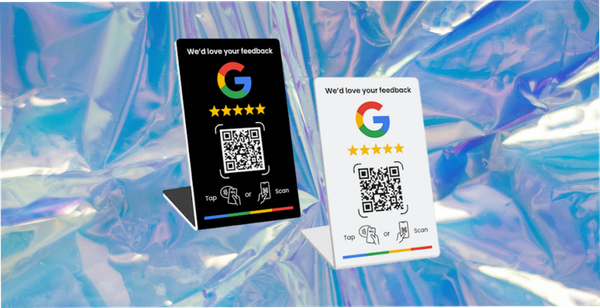
Right channel: You meet customers where they are. Not email. A link in their order confirmation. A QR code at the till. A link in your social bio or email signature. Physical and digital options both work - different customers prefer different paths.
Right incentive: You offer something worth stopping for. Not a theoretical future discount. Something immediate and tangible. A digital reward to their wallet. Something that says "I see you, and I value your input."
This is where the loop closes.
Customer submits feedback - NPS question, a photo, a written response, whatever your brief is. They receive an instant reward. They feel seen and valued. They're more likely to return. The next visit creates another feedback opportunity. The data gets richer. You act on it within 48 hours. The customer who was neutral or even slightly frustrated feels heard. They shift. Conversion becomes retention becomes advocacy.
This isn't just theory. Brands that respond to customer feedback within 48 hours recover detractors at significantly higher rates than those who wait weeks. The velocity of the response matters as much as the response itself. And velocity starts with immediate collection.
Is Rewarding Feedback Actually Legal?
This is the question every marketer asks, and the answer is unambiguous: yes.
The FTC drew a bright line here years ago. Rewarding participation is not the same as buying a positive review. You can incentivise customers to share feedback, photos, or reviews regardless of what they say. You cannot incentivise them to say something positive or favorable. You cannot reward only the customers who leave five-star reviews.
The mechanism is clean: reward feedback submission, not feedback sentiment. That's compliant, it's ethical, and it's increasingly standard practice in high-converting businesses.
What's not compliant is disclosure. If you're running a feedback program with incentives, it needs to be transparent. Customers need to know there's a reward. But they don't need permission to give negative or mixed feedback. Many do anyway.
Where 82DASH Fits
This is where the infrastructure matters.
Most brands trying to build an incentivised feedback loop run into the same friction. They need to collect feedback. They need to deliver rewards. They need to manage rights on any content submitted. They need to do it at scale, in real time, without infrastructure headaches.
82DASH is built for exactly this loop.
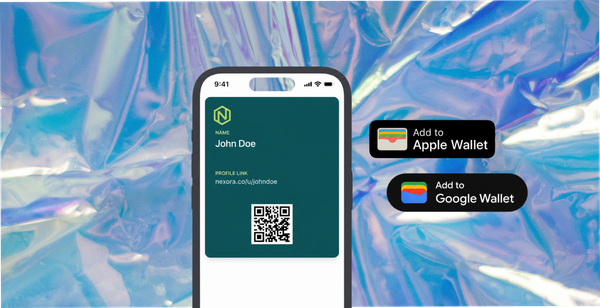
Here's the flow: A customer completes a short form - an NPS question, a photo upload, a video, a written response, any combination. No app download required. They select what they want to share. The rights get cleared automatically at point of submission. They receive an instant reward - an Apple or Google Wallet pass, with the ability to redeem it in-store or online. For you, it's timestamped, attributed feedback. Every piece of it is rights-cleared. You can deploy the content across ads, social, email, in-store displays. The customer data feeds into your CRM.
The whole loop - from submission to reward delivery - happens in seconds. No manual intervention. No app required from the customer. Just frictionless collection and immediate reward delivery.
82DASH supports multiple submission channels: QR code at the till, NFC tap at point of sale (if you have compatible hardware), link in post-purchase email, link in order confirmation, link embedded on your website, in your social bio, anywhere. Physical and digital collection paths both work.
For growth-stage businesses, that's the Starter plan - 200 image uploads, 200 form responses per month, 2 campaigns, Apple and Google Wallet rewards, seven-day free trial. For established operations collecting more volume, the Growth plan ($82/month) adds video collection, unlimited form requests, and push notifications to wallet pass holders. Pro plan ($120/month) removes upload limits and adds custom brand domain.
The commercial outcome is clear: you're converting neutral customers into returning customers, you're recovering detractors with speed, and you're building a dataset of real, attributed customer signal that compounds with every submission.
The Revenue Case for Closing the Loop
Let's talk numbers.
Detractor recovery: A customer leaves an NPS of 6 or below. They had friction. Most brands never respond. 82DASH customers can flag that submission, respond within hours, and because the loop is already established (they've got your wallet pass, they expect follow-up), the recovery rate is high. Bain's research suggests that responding to detractors can recover them at a rate of 25-40%, depending on speed and quality of response.
Retention lift: A customer who submits feedback and receives a reward is more likely to return than a customer who doesn't. The loop is closed. They were heard. They got something tangible in return. This isn't aspirational - it's measurable. Brands using incentivised feedback loops see 3-5% uplift in return visit rates, which compounds quickly at scale.
Response rates: Incentivised feedback surveys see 10-15% completion rates, compared to 2-3% for non-incentivised ones. That means you're getting 5-6x more data per 100 customers. More data means clearer signal. Clearer signal means better decisions.
If you're running a hundred transactions a day, and your standard feedback loop gets 2% completion, you're collecting 2 data points. With incentives, you're collecting 10-15. Over a month, that's the difference between 60 data points and 300. Over a year, it's 720 vs 3,600. The feedback loops that win aren't the ones with slightly better copy. They're the ones collecting 5-6x more data.
The AI Angle: Real Data in a Synthetic World
Here's the thing that's actually changed in 2026.
You can generate content. You can generate a lot of it. AI can write copy, create images, synthesise testimonials, build entire product review feeds from a brief. What it cannot do is generate a real customer experience. A real decision about whether to come back. A real photo of the actual thing you made, taken by an actual customer, at a moment when they cared enough to document it.
In a world flooding with synthetic signals, real customer data is the asset that compounds.
A customer-generated photo of your product in use. A handwritten note about what worked. A video review from someone who actually bought and used it. An NPS score attached to a name and transaction history. These are signals that cannot be fabricated. They carry the weight of authenticity that AI-generated content never will.
The brands that are moving fastest right now understand this. They're not trying to out-content AI. They're trying to out-signal it. Real feedback, real data, real customer voice - collected at scale and at speed.
That's where the moat is.
How to Start
The barrier to entry is lower than you think.
You need three things: a way to collect feedback (form, survey, photo request), a way to deliver rewards (wallet passes work instantly, no app required), and a commitment to actually act on what you collect within 48 hours.
The collection channels are flexible. QR code at point of sale. Link in email. Link in order confirmation. Link on your website footer. You can test multiple channels and double down on what converts.
The incentive doesn't need to be expensive. A digital pass worth £2-5 drives meaningful uplift in response rates. It's not about the monetary value. It's about the signal - that you valued their feedback enough to give them something tangible.
And then: act. Respond to detractors. Amplify the positive feedback. Use customer photos in marketing. Close the loop publicly when you can. Let customers see that their feedback moved the needle.
That's the loop that compounds.
Isabelle Simon - Communications Lead - 82DASH
FAQs
What is an incentivised feedback loop?
An incentivised feedback loop is a structured system where you collect customer feedback (via surveys, photos, reviews, or written comments) and reward participation immediately. The customer submits feedback, receives a reward (usually a digital pass or discount code), and is more likely to return. You get more data, better data, and stronger retention. It's called a loop because the customer's feedback often triggers a response or action that reinforces their decision to engage next time.
Is it legal to reward customers for giving feedback?
Yes - the FTC is clear on this. You can reward customers for submitting feedback regardless of whether it's positive or negative. What you cannot do is reward only positive feedback or incentivise customers to write favorable reviews. The rule: reward the act of participation, not the sentiment. As long as it's transparent (customers know there's a reward), it's compliant.
What's the best way to collect customer feedback without annoying people?
Timing and channels matter more than anything else. Collect feedback immediately after the experience, when context is fresh and emotional investment is high. Use multiple submission channels - QR code, email link, social link, website - so customers can choose their path. Make it low friction (a single question, a quick photo, not a ten-minute form). And reward participation instantly. This combination drives response rates 5-6x higher than email surveys alone.
How do you actually close the feedback loop with customers?
Closing the loop means: customer submits feedback → you receive and review it → you respond to detractors or double down on what's working → you act on the insight within 48 hours → customer sees or hears about the change. You don't need to respond individually to every submission. But you need to respond visibly and quickly to detractors, amplify positive feedback publicly, and implement changes based on patterns in the data. When customers see that their feedback led to action, they become advocates.
What response rate should I expect for incentivised feedback?
Incentivised feedback surveys typically see 10-15% completion rates, compared to 2-3% for non-incentivised ones. This can vary based on your industry, your incentive value, and your submission channels - QR codes at point of sale tend to outperform email links. The key is testing: start with one channel, measure response rate, then layer in others to find what works for your audience.