How to Run a UGC Campaign for a New Shopify Store
Most UGC advice assumes you already have customers. Here is how to run a content campaign with 60 orders, and why small stores get higher contribution rates than large ones.
Almost every guide to UGC assumes you already have customers. Collect from your repeat buyers. Segment your list. Run a campaign to your top 10%. Useful advice if you have been trading for two years, and completely unusable if you launched last month with forty orders to your name.
The problem for a new Shopify store is circular. Customer content improves conversion, which brings more customers, which produces more content. But you need customers before you can collect from them, and you need social proof before enough people will buy.
This guide is about breaking into that loop with a small customer base. Not by pretending you have more customers than you do, but by getting a much higher contribution rate from the ones you have.
From r/shopify_growth: "collecting content with no plan. brands just hoard videos but have zero system for permissions or where theyll actually use them. like cool u have 500 videos now what"
That is the mistake worth avoiding while you are small, because it is far cheaper to avoid than to fix. A brand with 500 unusable videos and no rights position has to start again. A brand with sixty orders can set the system up correctly the first time and never have that problem.
The other thing that changes at this stage is method. The tactics that scale for a large brand are the wrong ones at forty orders.
Why Small Stores Have an Advantage
This sounds like consolation, but it holds up.
A brand with 100,000 customers runs content collection as an automated flow with a low response rate, because it has to. Nobody is writing individual messages at that scale. A brand with 60 customers can do something entirely different: ask each of them personally.
Response rates to a personal request from a founder are dramatically higher than to an automated post-purchase email. Early customers of a new brand are also self-selecting. They took a risk on something unproven, which means they are more invested than a customer who bought from an established name.
The practical consequence: a new store can realistically get contribution rates that a large brand cannot, on a much smaller base. Forty orders with a 40% contribution rate produces sixteen pieces of content. That is enough to populate a product page, run a first round of ad creative, and fill a month of social.
Step One: Decide What You Actually Need
The most common early mistake is collecting content with no specific use in mind, ending up with a folder of photos that do not solve any particular problem.
Work backwards from where the content is going.
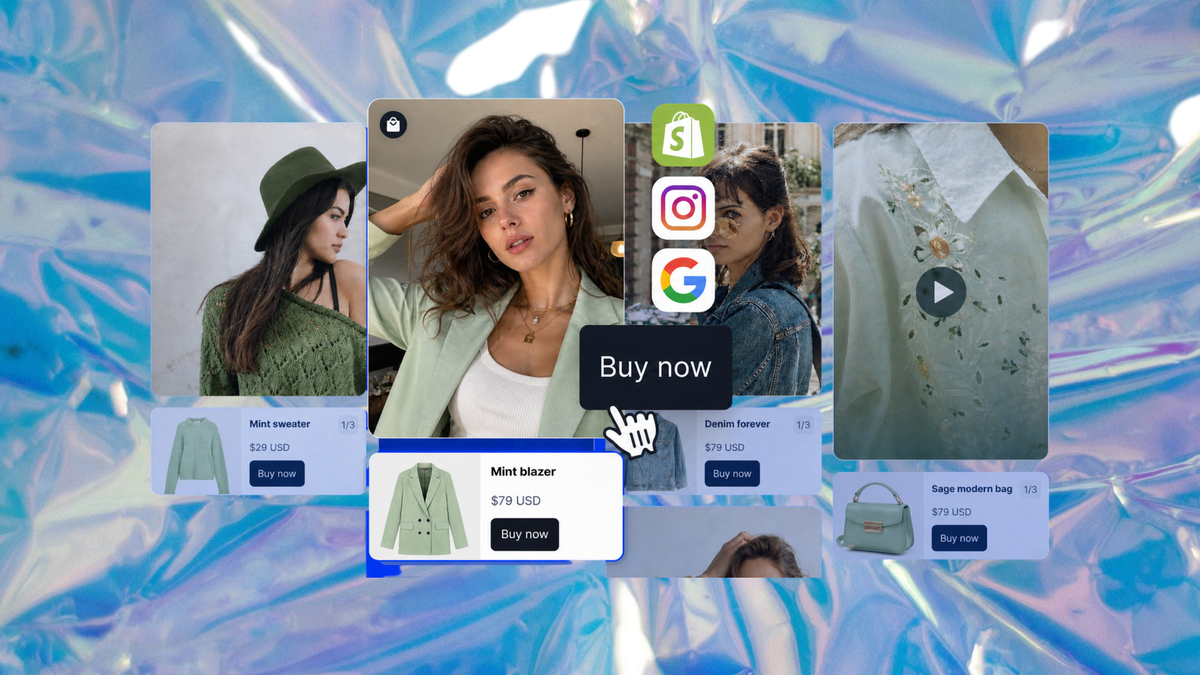
Product page images. You need photos that show the product in a real setting, on a real person, in a normal home. The job is answering the shopper's unspoken question: does this look like the photos suggest?
Ad creative. Different requirement. You need variety more than polish, and you need vertical video far more than you need photographs. A first ad test needs several genuinely different pieces of creative, not one good one.
Social proof on the homepage. A small number of strong images plus quotes.
Email. Photos with a story attached. Who the customer is, what they used it for.
Deciding this first changes what you ask for. "Send us a photo" produces something unusable roughly half the time. "Could you take a quick vertical video of you opening the box, ten seconds is plenty" produces something you can run.
Step Two: Ask at the Right Moment
Timing affects response rate more than almost anything else.
The delivery moment. The strongest window is the day the product arrives and the two or three days after. Interest is at its peak, and the product is novel. Most brands ask too late, once the item has become ordinary.
The first-use moment. For products with a delayed payoff, skincare, supplements, anything where results take time, the useful window is two to four weeks in, once there is something to say.
The repeat purchase moment. A second order is the clearest possible signal of satisfaction. Asking here has a high hit rate and almost no awkwardness.
For a new store the delivery moment is usually the one to build around, because it applies to every customer and requires no segmentation.
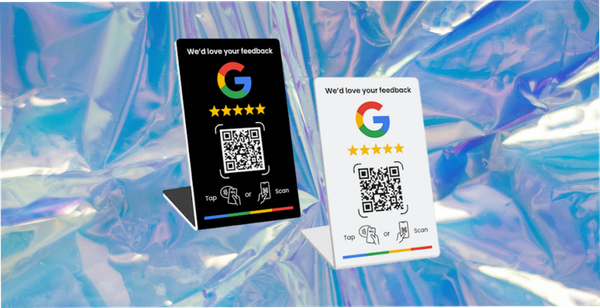
The mechanism can be simple. A card in the box with a QR code costs very little and reaches every customer at exactly the right time. For a store shipping small volumes, this is more effective than any email flow.
Step Three: Make the Ask Specific and Small
Vague requests get vague responses. The two variables that matter most are specificity and perceived effort.
Be specific about the content. Name the format, the length, and roughly what you want to see. "A photo of it in your kitchen" outperforms "share your experience" by a wide margin.
Keep the effort low. Ten seconds of vertical video. One photo. Two sentences. The bar has to be low enough that someone will do it while holding the product, because that is when they will do it or not at all.
Say what it is for. People are more willing when they understand the use. "We are a small brand and we use customer photos instead of stock photography" is a real reason, and early customers of a new brand respond to it.
Offer something. Not necessarily a discount. Early access, a small credit, entry into something, or genuine recognition. For a new store, being featured is often reward enough because the customer can see they are early.
Step Four: Sort Out Rights Before You Need Them
This is the step new stores skip and later regret.
There is a meaningful difference between UGC and CGC, and it matters most in exactly the situation a new store finds itself in.
User-generated content is what customers post publicly. A photo on Instagram, a TikTok video, a tagged story. You did not request it, you cannot predict it, and, critically, you do not hold the rights to use it in paid advertising. Reposting to your own feed is one thing. Running it as a Meta ad is a different question, and the FTC has tightened its guidance on how social proof is used in advertising.
Customer-generated content is submitted directly in response to a request, with rights clearance captured as part of the submission. The customer agrees, at the moment they submit, that the brand can use the content in marketing including paid media.
For a new store this distinction determines whether the sixteen pieces of content you collected can go into an ad account or only onto a product page. Getting it right at the start costs nothing. Retrofitting rights onto content collected informally is difficult and often impossible.
Step Five: Deploy It Immediately
Content that sits in a folder does nothing. For a new store the deployment sequence that produces the fastest return is fairly consistent.
Product pages first. This is where content most directly affects revenue, and where credibility gaps hurt most for an unknown brand.
Ad creative second. Once you have four or five distinct pieces, start testing. Variety matters more than quality at this stage because you are looking for which angle works, not optimising a winner.
Email third. Featuring a customer in an email does two jobs: it provides social proof to everyone else, and it makes the featured customer significantly more likely to buy again and contribute again.
Social last. Organic social has the worst return per hour for most new stores. Use it as a legitimacy signal rather than a growth channel.
How 82DASH Handles This
82DASH is a customer content platform. It collects rights-cleared photos, videos, feedback, and reviews from real customers, and makes that content usable across ads, email, product pages, and social.
For a new Shopify store the relevant part is that the collection, the rights clearance, and the reward are one flow rather than three tools.
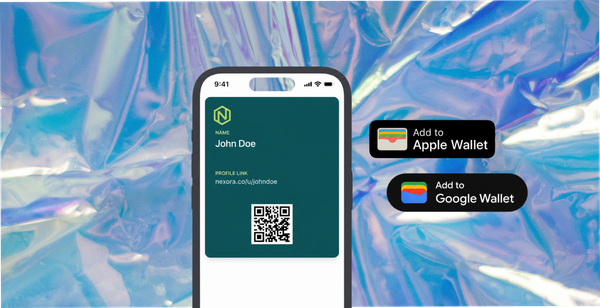
A request reaches the customer by QR code on packaging, a link after purchase, or an NFC tap. They submit a photo, video, or piece of feedback. Rights clearance is captured at the point of submission, so the content is usable in paid advertising immediately. The reward is delivered as a wallet pass in Apple Wallet or Google Wallet rather than a discount code buried in an email, which means the brand also builds a direct notification channel to a customer who has just demonstrated they are willing to participate.
That last part compounds. The customers who contribute early become the group you go back to, and each cycle strengthens the relationship rather than wearing it down.
There is a data point worth knowing when you are starting out: roughly 79% of customers who would share content about a brand will not do it publicly. They will submit directly, but they will not post. A new store waiting for Instagram tags is fishing in the small end of the pool.
Install 82DASH on the Shopify App Store
A Realistic First Campaign
For a store with fewer than 100 customers, this works:
Put a card in every box with a QR code and one specific request. Ten seconds of vertical video, or one photo in a real setting. Offer a small reward and say plainly that you are a new brand using customer content instead of stock photography.
Message your first thirty customers individually. Not a template, a real message. At this scale it takes an hour and the response rate justifies it.
Target ten usable pieces of content in the first month. That is enough for a product page refresh and a first ad test.
Then repeat with every new customer. The system runs continuously rather than as a one-off push, and by the time you have 500 customers you have a content library and a habit rather than a backlog and a problem.
Isabelle Simon is Communications Lead at 82DASH.
Frequently Asked Questions
How many customers do I need before running a UGC campaign?
Fewer than most guides suggest. With 40 to 60 customers and a personal ask you can realistically collect ten or more usable pieces of content, which is enough for a product page and a first round of ad creative. Small stores get higher contribution rates than large ones because the request can be personal.
What is the best way to ask new customers for content?
A card in the box with a QR code, timed to the delivery moment, reaches every customer at the point of peak interest and costs very little. For a store shipping low volumes this outperforms email flows.
Can I use customer Instagram posts in my Shopify ads?
Not without explicit rights clearance. A public post does not grant advertising rights, and FTC guidance on social proof in advertising has tightened. Content submitted directly through a flow that captures rights at the point of submission is what makes paid media use safe.
Do I need a Shopify UGC collection app to run this?
Not at the very start. With under 100 customers a card in the box and individual messages will outperform any automated flow. A UGC collection app becomes worth it once the manual version stops scaling, typically somewhere past a few hundred customers, or sooner if you need rights clearance captured automatically for paid advertising.
What type of content should a new store prioritise?
Vertical video, if you plan to run paid social. It is the format most likely to be usable as ad creative and the one most brands are short of. Photographs in real settings come second, mainly for product pages.
Further Reading
- FTC: guidance on endorsements and social proof in advertising
- Meta: creative guidance for paid social advertising
- TikTok: advertiser resources on native creative
- Bazaarvoice: research on customer photos and product page conversion
- Shopify: merchant resources on product pages and conversion