Hotel Guest Retention: How to Win Repeat Bookings
The stay was great. By Tuesday they have forgotten your hotel's name. Hotel guest retention is not a service problem, it is a follow-up problem.
Sunday morning. A couple checks out of your hotel after a wonderful long weekend. They tell the receptionist it was one of the best stays they've had. They mean it.
By Tuesday, they've forgotten your hotel's name.
Not because they're forgetful. Because life moves fast, and you gave them nothing to hold onto. No loyalty card on their phone. No reason to come back to you directly rather than going back to Booking.com when the next trip gets planned. No content from their stay that might resurface in their camera roll and remind them how good it was.
You got great feedback in person. You got nothing else.
This is the post-visit engagement problem, and it is what hotel guest retention actually comes down to: not the quality of the stay, but whether anything survives it. It is one of the most expensive blind spots in hospitality.
The numbers are stark
Hotel-specific retention data is thin, so the sharpest numbers in hospitality come from restaurants. The mechanism is the same in both: a good experience, no follow-up, no return.
70% of first-time diners never return to a restaurant. Not because they had a bad experience. Because nobody gave them a compelling reason to come back over every other option available to them.
The average restaurant retention rate sits at around 55% - well below the global benchmark of 75%. In hotels, the picture is similar: without active loyalty infrastructure, guests who loved their stay default to OTA searches for their next booking, and the algorithm serves up whoever bids highest - which is rarely the independent boutique they stayed at last time.
Meanwhile, 65-80% of restaurant revenue comes from repeat customers. Repeat business is the engine of profitability in hospitality. The economics are clear: keeping a customer is 5-7x cheaper than acquiring a new one. Every guest who doesn't return is a customer acquisition cost you'll have to spend again just to replace them.
The post-visit gap isn't just a marketing problem. It's a revenue problem.
Why most engagement attempts fail
Most hospitality businesses know this problem exists. Most attempt to solve it with the same tools - and get the same mediocre results.
Email. The most common attempt at post-visit engagement. Most re-engagement emails are never opened, so the majority of guests never see the message, let alone act on it. And that's assuming you collected a valid email address at all - which many hospitality businesses fail to do consistently.
Review request emails. Sent days after checkout when the emotional peak of the stay has passed. Response rates are low. And when guests do respond, the content ends up on TripAdvisor or Google - not with you.
Social media. You post. The algorithm decides whether your followers see it. Organic reach for business accounts is a small fraction of the follower count, and that fraction has been shrinking for years. The guest who loved their stay three weeks ago probably hasn't seen a single post from you since they left.
None of these are bad tactics. They're just insufficient for the problem they're trying to solve. Set side by side, the difference is not marginal:
| Channel | Open or view rate | Reach | Who owns the rights | Cost |
|---|---|---|---|---|
| Re-engagement email | Most are never opened | Only guests whose address you captured, and who still open | You own the list, but not the content | Low per send, high per address acquired |
| Review request | Low response, and sent days after the emotional peak | Whoever replies, minus everyone who forgets | The review platform, not you | Cheap to send, but the asset ends up on someone else's site |
| Organic social | Decided by the algorithm, not by you | A shrinking fraction of your followers | The guest who posted, unless you clear rights afterwards | Free to post, expensive to actually reach anyone |
| Wallet pass | Push notification lands on the lock screen | Every guest holding the pass, for as long as they hold it | You, when content is collected with rights cleared at submission | Per pass or per submission, and the channel stays open afterwards |
What the problem actually requires
Post-visit engagement requires two things that most hospitality businesses don't have.
A direct channel. Something that bypasses algorithms, doesn't depend on email open rates, and puts your message in front of the guest at exactly the right moment. Not through social media. Not through a third-party platform. Directly.
A reason to be on the guest's phone. Something that keeps you present in their daily life without requiring any effort from them. Not a loyalty app they'll never download. Something that's already part of how they use their phone.
Apple and Google Wallet passes solve both.
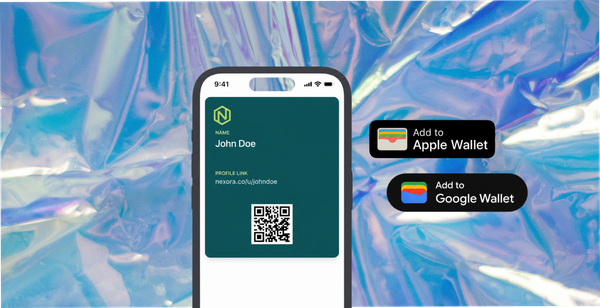
A wallet pass lives on the device your guests open dozens of times a day. It's visible every time they go to pay for something. It doesn't require an app. It doesn't get buried in an email inbox. And once a guest saves it, you can send push notifications directly to their lock screen - with open rates that far exceed email.
That's the direct channel. The question is how to get it into their wallet in the first place.
The content collection moment is the answer
Here's what makes this approach different from every other loyalty tactic.
You don't ask guests to sign up for a loyalty programme at the start of their stay. You don't add them to a mailing list they didn't ask for. You don't chase them with review requests days after they've forgotten most of the details.
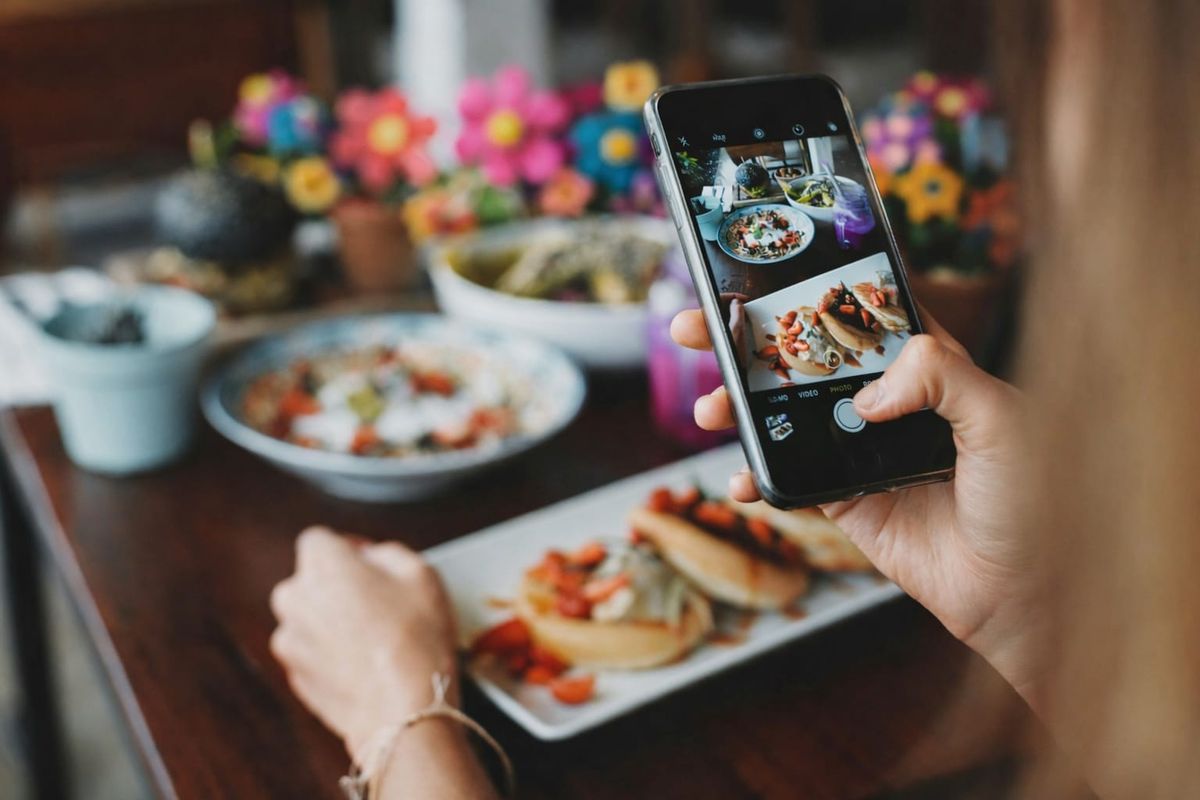
Instead, you give them a reason to engage at the peak of their experience - when the food was just served, when they're about to check out, when the night is still going. A QR code on the table, the receipt, the room card, the bar menu. They scan it. They submit a photo, a short video, or a few words about the stay through a quick form. It takes under a minute.
The reward lands instantly in their Apple or Google Wallet. Their loyalty pass is saved. You now have a direct communication channel, a piece of authentic rights-cleared content, and the beginning of a relationship that doesn't depend on them remembering to book direct next time.
You can nudge them when the time is right. A notification when a new seasonal menu launches. A returning guest rate timed to six weeks after their last visit. A "we'd love to have you back" message when a local event brings people back to the area.
The content side matters just as much
The post-visit engagement problem isn't just about bringing guests back. It's also about the content they created during their stay that you never captured.
Customer photographs and video tend to outperform polished brand creative in paid social, because they look like the feed they appear in rather than an interruption to it. 90% of consumers trust it more than traditional advertising. The photo of the hotel room at golden hour that a guest took on Saturday morning is more persuasive to a future booker than any professional photoshoot you commission.
The distinction that matters here is between two terms that get used interchangeably. UGC, user-generated content, is what guests post publicly on social platforms, which you then have to find and ask permission to reuse. CGC, customer-generated content, is what guests submit directly to you through a form, with usage rights cleared at the point of submission. The first is a discovery problem. The second is a collection problem, and it is the one you can design for.
But that content disappears unless you build a system to capture it.
The wallet pass moment is that system. The guest submits their content, receives their reward, saves their pass. You get the content, the loyalty relationship, and the communication channel - all from one interaction at the physical touchpoint where the experience is still fresh.
Where 82DASH fits in
82DASH is built for this problem. A QR code or NFC tap at any touchpoint opens a branded collection page - your logo, your ask, your reward. The guest submits in under a minute. Rights clearance is automatic. The wallet pass lands on their phone before they reach their car.
From that moment, you have everything the standard post-visit toolkit fails to provide: authentic content, a loyalty mechanism, and a direct channel that stays live for as long as the pass is on their phone.
The visit doesn't have to be the end of the relationship. It can be the beginning of it.
You can't build repeat business from guests you've already lost. The time to engage them is before they walk out the door.
Isabelle Simon - Communications Lead - 82DASH
Further Reading
- Hotel Guest Content: How to Turn Every Stay Into Authentic Marketing - 82DASH Blog
- How to Use Wallet Passes to Collect Customer Content After Every Visit - 82DASH Blog
- How to Create a Digital Loyalty Card for Your Hotel or Resort - 82DASH Blog
- State of Restaurant Guest Retention 2025 - Bloom Intelligence
- 60% of Restaurant Sales Are From Repeat Guests - Olo
- Customer Retention Statistics 2025 - ThinkImpact
- Restaurant Customer Retention Statistics - Restroworks
Further Watching
- r/restaurantowners - Reddit Community - real conversations about what brings customers back vs what doesn't
- r/Hotelier - Reddit Community - hotel industry discussions on retention, direct bookings, and loyalty
- Customer Retention Hospitality YouTube Search - strategies for keeping guests engaged after checkout