Lightspeed POS + Wallet Passes: How to Build a Complete Customer Engagement System
Lightspeed handles the transaction. It doesn't handle what comes after it - the customer opinion, the photo, the signal. Here's how to build a complete engagement system on top of Lightspeed using rights-cleared content collection and instant Wallet rewards.
Lightspeed is one of the most capable POS systems on the market. Restaurants, retailers, and hospitality businesses rely on it to run their operations - table management, inventory, multi-location reporting, the lot. It handles the complexity that simpler systems can't.
What it doesn't handle is what happens after the transaction closes. The customer pays, picks up their order, walks out. Lightspeed logs the sale. Nobody captures what that customer thought, felt, or photographed.
That's not a criticism of Lightspeed. It's a category gap. And it's where most businesses are leaving real money on the table.
The post-transaction blind spot
Every transaction carries data beyond the payment. The customer has an opinion about the dish, the service, the product. They might have taken a photo. They might be about to go home and post about it - or not mention you at all, depending on what the next 10 minutes look like.
Lightspeed captures: table turnover, covers, item sales, average spend, repeat visits.
Lightspeed doesn't capture: what that customer actually thought, what they photographed, how likely they are to come back, or what would tip them from occasional visitor to loyal advocate.
That's three or four genuinely valuable signals per transaction - missed every single time.
The businesses winning in 2026 are the ones treating customer content and feedback as infrastructure, not a bonus. Not a "nice to have if someone leaves a Google review." A systematic programme, built into the transaction flow, that collects photos, feedback, and signals at scale.
Why this matters more now than ever
Here's the truth: AI-generated content is flooding every platform. Every brand has access to the same generation tools. Every competitor can produce polished product shots in seconds. The result is a feed full of synthetic, interchangeable imagery that customers have learned to tune out.
Real customer content - photos of actual dishes, real hotel rooms, genuine retail experiences from genuine people - is becoming the scarce asset. It's not in any competitor's AI generator. It's unique to your business, your customers, your specific moment.
The data is consistent on this:
- Customer photos on product pages drive 74% higher conversion compared to pages without them, according to Salsify research.
- User-generated content delivers 161% higher conversion lift than brand content, per Bazaarvoice.
- Customer content generates 2.4x more engagement on social platforms than brand-produced material, according to Stackla.
Lightspeed merchants processing 80, 100, 200 covers a day have a vast, largely untapped source of this content sitting right in front of them. The question is whether they have a system to collect it.
What most Lightspeed businesses do instead
The current reality for most hospitality and retail operators looks like this:
They rely on organic social tagging. Customers post about their experience on Instagram or TikTok if they feel like it. Sometimes it happens. Mostly it doesn't - and when it does, there's no rights clearance, so you can't use it in paid ads.
They send post-visit email surveys. Low open rates, lower completion rates, and no photos. Useful for CSAT tracking, not for building a content library.
They run manual competitions. "Post a photo of your meal for a chance to win." It generates a brief spike, requires constant management, and produces rights-ambiguous content you can't safely repurpose.
They wait for Google reviews. Reviews come from your most loyal customers and your most upset ones. They don't represent the full experience, they arrive on a delay, and you can't use the content commercially.
None of this is a system. It's a collection of one-off tactics that require ongoing effort and deliver inconsistent results. And none of it produces a rights-cleared content library you can compound over time.
The system that actually works
The businesses building genuine content advantages are doing three things: they trigger collection at the right moment, they reward participation immediately, and they clear rights at the point of submission.
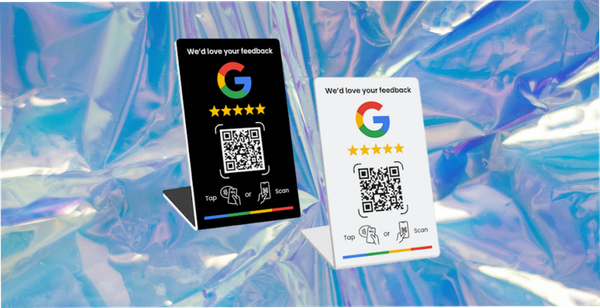
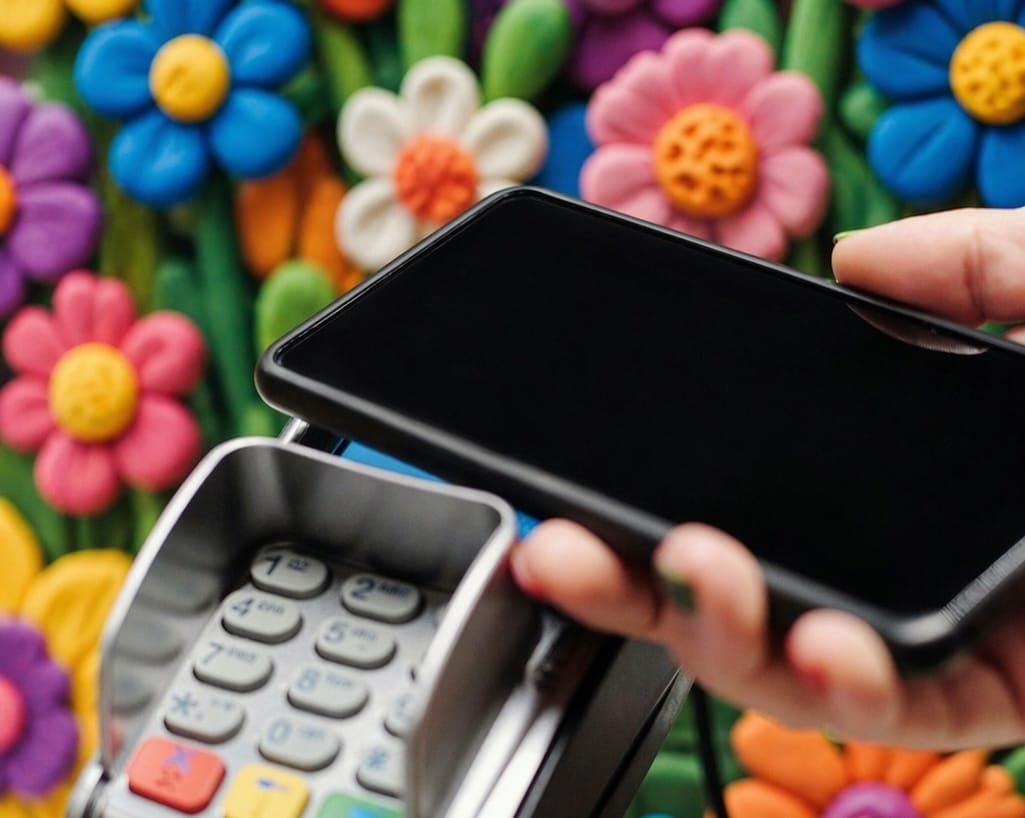
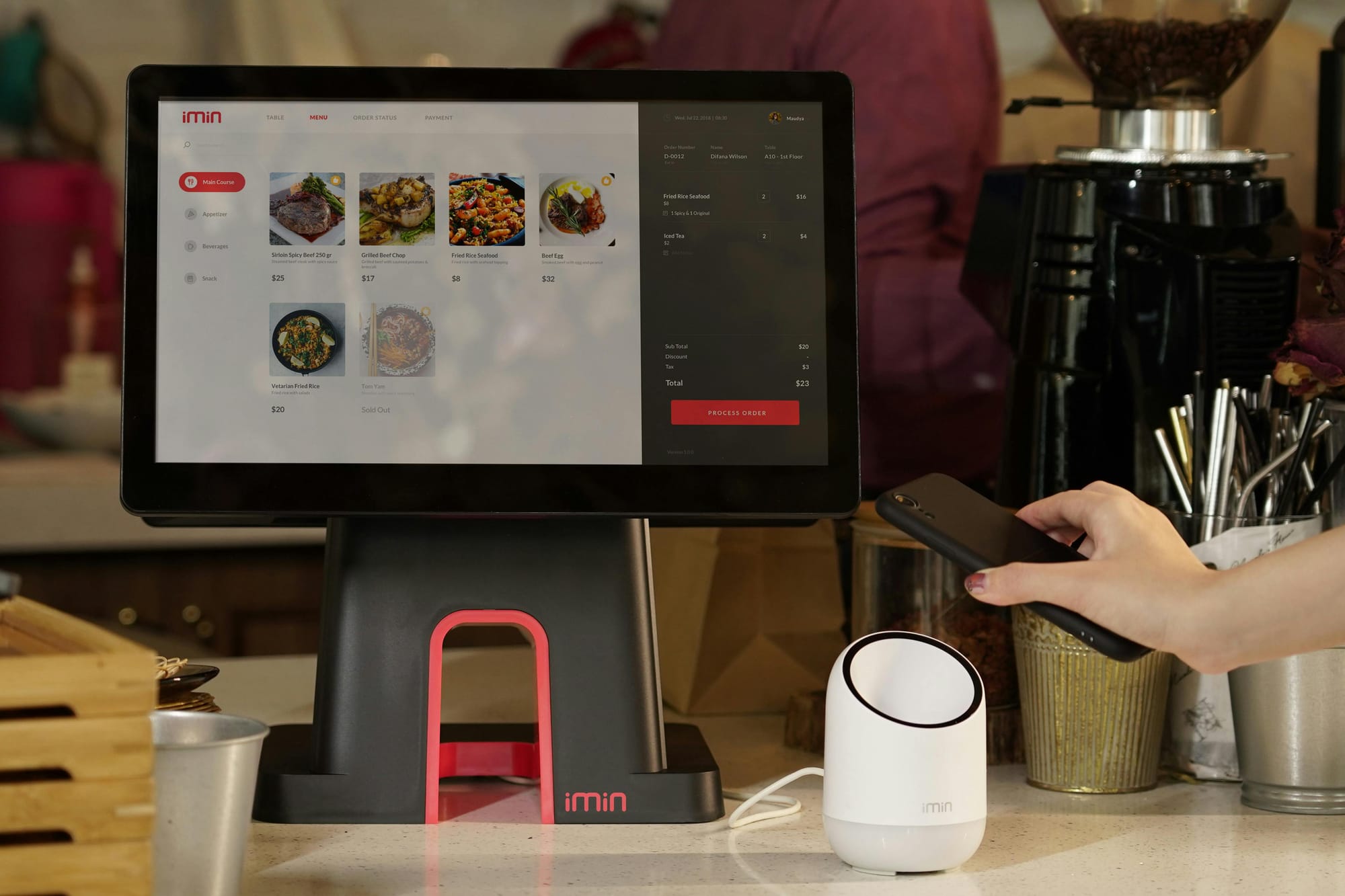
Trigger at the transaction. The collection request goes out right after the customer pays - while they're still in the moment, while the food is still in front of them, while the experience is fresh. A QR code at the Lightspeed terminal, an NFC tap on a nearby card, or a follow-up link in a receipt email. The customer sees it immediately, when their enthusiasm is highest.
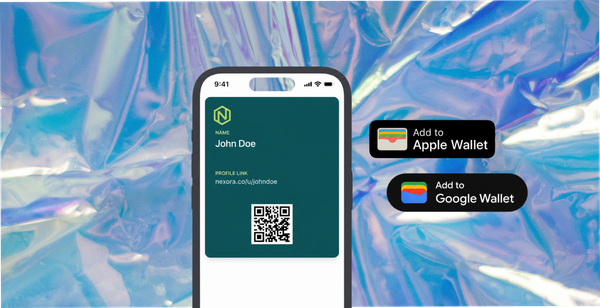
Make reward instant. The customer gets something tangible right away. Not a points balance they'll forget about. An Apple or Google Wallet pass lands in their phone - a discount, a free item on their next visit, early access to a new menu item. It's immediate, it's visible in their wallet, and it drives return visits.
Clear the rights automatically. At submission, the customer agrees to license the content. No ambiguous Instagram tags. No follow-up email asking permission. Clear rights from the start, usable in paid ads, website, signage, email - everywhere.
This is the flow that compounds. Every transaction becomes a potential content asset. Every asset compounds the library. The library becomes a structural advantage.
How 82DASH connects to Lightspeed
82DASH is built precisely for this gap. It connects to your Lightspeed setup and runs the collection-and-reward flow as a lightweight layer on top of the existing transaction infrastructure.
The practical setup:
- Connect 82DASH to your Lightspeed account.
- Configure a submission prompt - what you're asking for (photo, video, feedback, or combination), the reward type, and the trigger channel.
- Customers are prompted at the point of sale via QR code, NFC, or post-transaction email link.
- They submit content (or feedback) through a mobile-optimised form. Rights are cleared at submission.
- An Apple or Google Wallet pass lands in their phone immediately.
- You receive licensed content and timestamped feedback tied to that visit.
The library starts building from day one. A Lightspeed restaurant on 82DASH's Growth plan collects up to 400 photos and 200 videos per month. Within 90 days, that's a licensed asset library that would cost thousands in a traditional content shoot.
Submission channels: Meeting customers where they are
The highest collection rates come from offering multiple paths to submission, because different customers have different moments.
At the Lightspeed terminal or table: A QR code at the till or on a table card invites customers to submit immediately, while the moment is still live. Fast, low-friction, works for dine-in and retail.
Via receipt email: For businesses using Lightspeed's receipt email functionality, 82DASH injects a submission link into the post-transaction message. Receipt emails have some of the highest open rates of any commercial email - the customer is already engaged and the request is timely.
Online and post-visit: A persistent submission link on your website or in your social bio catches customers who want to share content after they've gone home, or who missed the in-venue prompt. Works well for hotel guests or retail customers who want to photograph products in their own space.
Running all three channels together maximises collection rates without adding complexity to the customer experience.
What you do with rights-cleared content
The value compounds the moment you start using it:
Paid social and display: Meta, Google, and TikTok ads running real customer photos consistently outperform studio alternatives on click-through rate and conversion. Your CPC drops. You're not paying for production - the reward was $5 off their next coffee. The ad spend goes further.
Google Business Profile: Authentic customer photos improve both ranking and click-through from local search. A restaurant with 50+ real customer photos on their Google Business profile outconverts competitors with stock shots. It's free visibility you're currently not extracting.
Lightspeed-powered email campaigns: Use real customer photos in your marketing emails. They outperform brand photography and you've already paid for them - with a Wallet reward that drove a repeat transaction.
In-venue displays: Display rotating customer photos in your venue. It tells the story of your community, it's real social proof, and customers who see themselves or their peers on screen are more likely to come back.
Press and wholesale: If you supply to other businesses or work with trade partners, real customer photos are more useful than brand shots. They communicate product quality in a way that designed imagery can't.
The revenue case is concrete. A Lightspeed operator on 82DASH's Growth plan at $82/month who collects 60 rights-cleared customer photos per month builds a $2,500+ ad creative library in a quarter. If those photos reduce CPC in paid social by even 15% - which is conservative relative to the benchmarks - the plan pays for itself many times over. The Wallet rewards drive return visits on top of that.
How Wallet passes change the loyalty equation
This is worth sitting with for a moment, because it's a meaningful shift.
Traditional loyalty in hospitality is a points balance. Buy 10, get one free. It works, but it has a ceiling. The customer only values the points once they're close to the threshold. Between redemptions, there's low engagement.
Wallet passes work differently. When a customer submits content and receives a Wallet pass, that pass sits in the wallet app on their phone - the same place as their boarding passes, their bank cards, their concert tickets. It's not a points balance they have to log in to check. It's a physical-feeling asset with a visible expiry date.
Research from Bond Brand Loyalty finds that customers with immediate tangible rewards are significantly more likely to return within 30 days compared to standard points programmes. The immediacy and visibility of the Wallet pass drives the behaviour.
For Lightspeed operators, this means: every content submission produces a return-visit trigger. The content collection and the loyalty loop are the same action.
A worked example: Mid-size restaurant, 80 covers a day
You run a restaurant on Lightspeed. 80 covers per day, Tuesday to Sunday. You set up 82DASH.
Week 1: QR code at the till pointing to a submission form. "Share a photo of your dish. Get 10% off your next visit to your Wallet." Approximately 8% of customers scan and submit. That's 6-7 submissions per day.
Month 1: You've collected around 160 submissions. Not all are usable photos - some are feedback, some are video. You have 80-100 usable customer photos. You start rotating the best ones into your Instagram posts. Engagement is noticeably higher.
Month 2: You add the submission link to your Lightspeed receipt emails. Submission rate climbs to 12-15%. You're now collecting 10-12 submissions per day. You run your first Meta ad with customer photos. CTR is up 22% on your previous brand creative. CPC drops.
Month 3: You have 400+ licensed photos. You refresh your Google Business Profile with the 30 best. You build a "Regulars" highlight reel on Instagram from real customers. You're extracting feedback data without running surveys - you know which dishes are photographed most, which are described most positively in the feedback forms, which times of day generate the most submissions.
Month 6: The content library is self-sustaining. You've spent $492 on 82DASH. You've reduced your ad production costs to near zero. Your paid social CPC is down. Your Google Business click-through is up. Your repeat customer rate has increased because Wallet redemptions are driving visits back.
This is not theoretical. This is the normal trajectory for businesses that install the system and run it consistently.
Isabelle Simon - Communications Lead - 82DASH
Frequently asked questions
Does Lightspeed have a built-in UGC or content collection tool?
No. Lightspeed's native offering covers POS operations, inventory, reporting, payments, and email receipts - but there is no native content collection, rights management, or Wallet reward functionality. That's the gap tools like 82DASH are built to fill.
Can I reward customers through Lightspeed?
Lightspeed has loyalty functionality for points-based programmes on some plans. It doesn't deliver Apple or Google Wallet passes, and it doesn't reward customers specifically for content or feedback. 82DASH handles that layer - it complements rather than replaces Lightspeed's built-in tools.
How do I collect customer photos from my Lightspeed restaurant?
The most effective method is a combination of at-terminal QR codes and post-transaction receipt email links. A QR code at the Lightspeed terminal captures customers while they're still in the moment. The receipt email link catches customers who miss the in-venue prompt. Both channels funnel into the same submission form.
What's Apple Wallet and why does it matter for hospitality?
Apple Wallet is the native wallet app on every iPhone - the same place users store boarding passes, tickets, and bank cards. Google Wallet is the equivalent on Android. Together, they're pre-installed on virtually every smartphone your customers carry. A reward delivered as a Wallet pass doesn't require the customer to download an app - it arrives in a place they already use daily. That's why Wallet passes have significantly higher engagement than traditional loyalty email.
How does rights clearance work with customer photos?
When a customer submits content through 82DASH, they agree to a licence at the point of submission. This means you receive the rights to use that content in marketing - paid ads, your website, email, signage, social - from the moment you receive it. There's no need for follow-up permission requests. This is the key difference between customer-submitted content and content collected via organic social tagging, where rights are typically ambiguous.
What does 82DASH cost?
82DASH's Growth plan is $82/month and covers up to 400 photos and 200 videos per month - the level most single-site hospitality operators need. The Starter plan at $50/month covers the core collection and feedback flow. The Pro plan at $120/month adds push notifications and higher volume allowances.
Further reading
How offline businesses sit on a content goldmine - and don't use it
Square POS + customer content: a UGC guide for hospitality
The difference between incentivising reviews and buying them
Best customer content platforms for hospitality businesses 2026
Why rewarding customers for photos and videos works better than bribing for social shares