Why Offline Businesses Are Sitting on a Goldmine of Customer Content (And Don't Know It)
79% of customers who take photos never share publicly. Here's how offline businesses capture that content before it disappears.

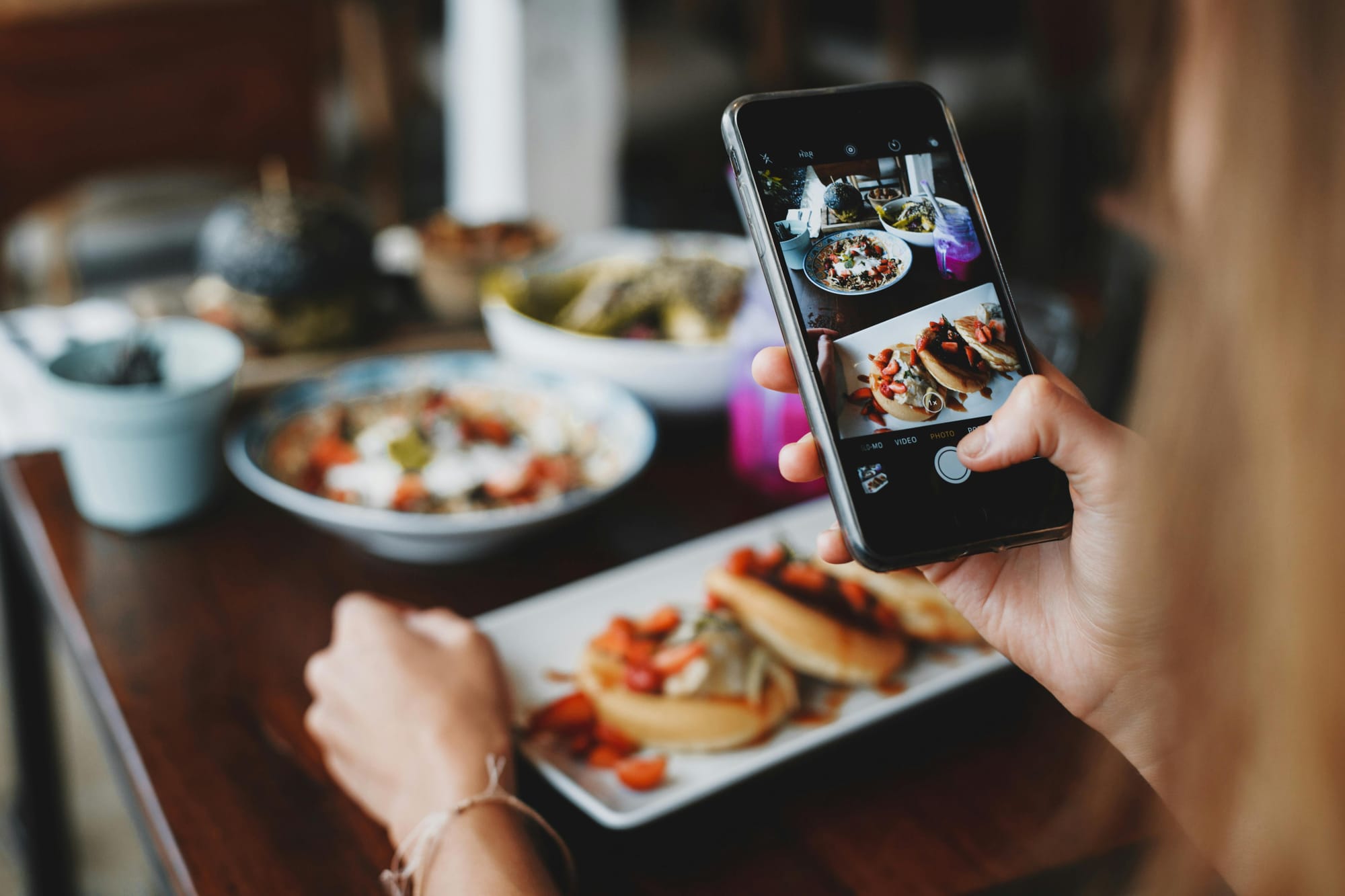
=There is a restaurant in your city spending $3,000 on a professional photoshoot this quarter. On the same street, their customers are sitting at tables with phones out, taking photos of the food, filming the atmosphere, capturing the moment before it disappears.
None of those photos will end up in the restaurant's ads. Almost none will reach the restaurant at all. A few will get posted on Instagram where the algorithm will show them to 5% of the poster's followers before burying them. Most will sit in private camera rolls, seen by a handful of friends, then forgotten.
The restaurant will publish the professional photos. Their customers will trust the user photos more. Both parties know this, and nothing changes.
The offline content paradox
Physical businesses have something digital-only brands will never have: real people having real experiences in a real place.
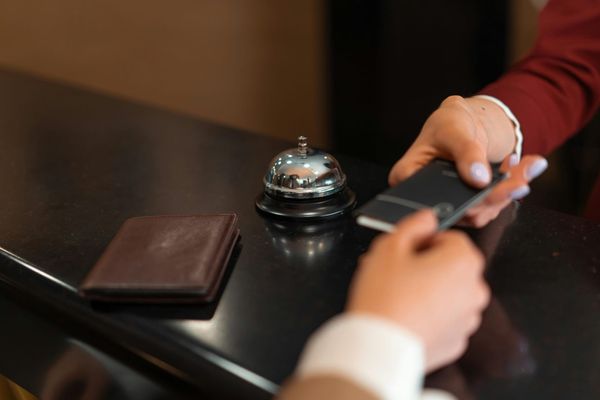
A customer eating at your restaurant isn't imagining what the food might taste like. They're tasting it. A guest staying at your hotel isn't wondering what the view looks like from room 304. They're standing at the window. The content opportunity is right there, in the moment, on their phone.
Real customer content generates 2.4x the engagement of branded content. 90% of consumers trust authentic customer content more than traditional advertising. Every piece of research on customer content says the same thing: real people, real moments, real experiences outperform everything you can produce in a studio.
Offline businesses sit in the middle of this content goldmine, every single day, and most leave it entirely un-mined.
Why it goes un-captured
The gap isn't enthusiasm. Your customers are taking photos. The problem is where those photos end up.
They stay private. The majority of customers don't post publicly. 79% of people who take photos during a positive experience never share them publicly - but most of them would share privately with the brand if someone made it easy. That's almost four in five customers creating content you could have, if you'd only asked in the right way.
They go to third-party platforms. The customers who do share post on Google, TripAdvisor, or Instagram. You get the signal - "great experience" - but not the asset. The photo ends up on someone else's platform, under someone else's terms. You can't use it in an ad. You can't put it on your website with confidence. You can't do anything with it except watch it sit there.
You don't have a system. A camera roll full of great food photography from your happiest customers doesn't arrive in your inbox because you never asked. Not because you didn't want to - because you never built the mechanism to collect it. "Tag us on Instagram" isn't a mechanism. It's an aspiration. 87% of ecommerce marketers say they prefer authentic customer images over AI-generated or model photography for conversion - but most businesses have no reliable way to collect them at scale.
What the goldmine actually contains
Every customer interaction generates potential content. But for offline businesses specifically, the content opportunity goes further than photos.
Photos and videos. The food on the plate. The hotel room at sunrise. The spa treatment room. The coffee art on a flat white. The ambience at peak service. All of it, being captured by customers who found it worth photographing. All of it sitting on their phones.
Authentic testimonials. The moment a guest tells you at checkout that the stay was one of the best they've had - that's a video waiting to happen. The customer who lingers at the table telling their friend about the tasting menu - that's a 30-second testimonial that would outperform any copy you could write. The gym member three weeks into their programme who just hit a personal best - that's a before/after story that sells memberships better than any ad.
Customer insight. What brought them in. What made the experience memorable. What they'd change. This is the qualitative signal that surveys try to capture and almost never do - because the forms arrive days later, when the experience has cooled. In the moment, when the food is still on the table and the feeling is still fresh, customers are willing to give you things they'd never bother typing into an email.
The AI reality that changes everything
Here's the shift that makes this urgent right now.
AI can generate a perfect product image. AI can write persuasive copy. AI can create brand videos that look professional and cost nothing. And AI is doing all of those things at scale, for every business in every sector, flooding every channel with content that looks polished but means nothing.
What AI cannot do is generate a photo of your restaurant taken by a real customer who was actually there. It cannot create a video of a hotel guest talking about why they're already planning their return. It cannot produce the slightly imperfect, obviously authentic, unmistakably real content that comes from someone who had a genuine experience.
The value of authentic customer content will only increase as AI-generated alternatives become ubiquitous. The businesses building libraries of real customer content now will have assets that no amount of AI spending can replicate. The businesses that don't are training their potential customers to ignore everything they publish.
For offline businesses - where the physical experience is the product - this is the most powerful advantage available. You have real experiences happening every day. You just need to capture them.
The moment that changes everything
There's a specific moment in every customer visit where the content opportunity is highest. The food has just arrived. The treatment has just ended. The guest is checking out after a stay they loved.
At that moment, the customer is at peak satisfaction. Their phone is close. Their willingness to share something authentic is higher than it will ever be again.
That's the moment to ask. Not in an email three days later. Not on a card buried in the welcome pack. Right there, when the feeling is still alive.
A QR code on the table card. An NFC tap point at the checkout counter. A receipt with a simple prompt. The submission takes under a minute - a quick photo, a 20-second video, two questions. And the reward lands instantly in their Apple or Google Wallet before they reach the car park.
One interaction. Real content captured. Rights cleared. Loyalty started.
Where 82DASH fits in
82DASH is built specifically for offline businesses that want to turn customer moments into content. A QR code or NFC tag at any physical touchpoint - table, counter, checkout desk, product display, packaging - opens a branded collection page. The customer submits a photo, a video, or answers a quick form. Rights clearance is built into the submission flow. The reward lands in their Wallet immediately.
The café doing NFC tap loyalty has a full guide on exactly how this works. The content that comes back - real people in real spaces with real products - is the library your paid advertising has been waiting for. Real customer content drives 4x higher click-through rates in ads than branded alternatives. Lower your cost per acquisition. Higher conversion rates. The system pays for itself.
No photoshoot budget. No influencer contracts. No AI prompts.
Just the content your customers were already creating, finally making its way back to you.
Your customers are generating the content you need.
The only question is whether you've built the system to receive it.
Isabelle Simon - Communications Lead - 82DASH
Frequently Asked Questions
Why don't offline businesses collect more customer content?
The main barrier is the absence of a system, not the absence of willing customers. Research shows 79% of people who take photos during a positive experience never share them publicly - but most would share directly with the brand if the ask was simple and immediate. Without a QR code, NFC tap, or receipt prompt at the right moment, that content stays on their phone.
What types of customer content can offline businesses collect?
Photos and short videos are the most common - food shots, room photos, product images, ambience captures. But offline businesses can also collect video testimonials, written reviews, NPS scores, and qualitative feedback through the same flow. With a platform like 82DASH, all of these can be requested in a single submission page and rewarded with one wallet pass.
How does real customer content compare to professional photography for marketing?
Real customer content consistently outperforms professional photography in paid advertising, on websites, and in social media. It generates 4x higher click-through rates in ads and is trusted more than branded content by 90% of consumers. The authenticity is the point - a slightly imperfect photo taken by a real customer in your space is more persuasive than a polished studio shot.
Can AI replace customer content for offline businesses?
AI can generate professional-looking images and copy, but it cannot produce a photo of a real customer in your actual space having a genuine experience. As AI-generated content floods every channel, real customer content becomes more valuable precisely because it cannot be replicated. Offline businesses that build libraries of authentic content now will have a compounding marketing advantage.
Further Reading
- NFC Tap-to-Wallet: How Cafés and Restaurants Are Replacing Paper Loyalty Cards - 82DASH Blog
- How to Use Wallet Passes to Collect Customer Content After Every Visit - 82DASH Blog
- Beyond Yelp and TripAdvisor: How Hospitality Brands Can Own Their Customer Content - 82DASH Blog
- The Consumer Content Report - Stackla
- UGC Statistics 2025 - inBeat Agency
- User-Generated Content Statistics - Bazaarvoice
- Social Commerce and UGC Statistics 2025 - Sprinklr
Further Watching
- r/restaurantowners - Reddit Community - independent operators discussing what actually brings in new customers
- r/smallbusiness - Reddit Community - real conversations about customer photography, content, and what converts
- Customer Content Marketing YouTube Search - practical examples of offline businesses using customer content effectively