Best Customer Content Platforms for Hospitality Businesses (2026)
As AI floods marketing channels, real customer content becomes rare and valuable. We review 6 platforms for collecting photos, videos, and feedback from hospitality guests - and what to prioritise in your choice.

As artificial intelligence floods marketing channels with lookalike content, something precious has become rare: authenticity. When a guest steps into your restaurant and photographs their meal. When a hotel visitor captures sunrise from their balcony. When a café regular posts a story of their morning ritual. That's real content - created by real humans, in real moments, inside your venue.
For hospitality businesses, this is the defining content opportunity of 2026. Your guests are your creators. Every service produces moments worth capturing. The infrastructure question isn't whether to collect this content - it's which platform makes collection, rights clarity, and reward distribution straightforward enough that it actually happens at scale.
This guide cuts through the noise. We'll look at what matters when choosing a customer content platform for hospitality, review the major contenders honestly, and help you match the right tool to your actual needs.
Why Customer Content Matters More in 2026
The data is clear and consistent.
Product pages with customer photos convert 74% higher than those without them. That's from Salsify's ecommerce benchmark. Customer-generated content drives 161% higher conversion rates compared to brand-created content, according to Bazaarvoice's consumer research. And 79% of people say user-generated content highly impacts their purchase decisions - Notso.
But here's what matters for hospitality specifically. Your competitors are scaling. Some restaurants now use AI to generate ambient shots of dishes. Some hotels are commissioning stock photography of guest experiences. Some cafés are running ads with professional models pretending to be regulars.
None of that converts like a real guest photo does.
Why? Because people can spot the difference. When someone sees an actual customer - not an influencer, not a model, not generated by Midjourney - they trust it more. They see themselves in it. They're more likely to book, visit, or return.
This is why rights-cleared customer content has become a competitive infrastructure. Hospitality businesses that systematically collect, own, and deploy photos and videos from their guests move faster than those relying on professional shoots. They spend less per acquisition. They convert higher. They build community.
The platform you choose either makes this systematic or makes it friction-heavy. The difference between these two states is enormous.
What to Look For in a Hospitality Content Platform
Before we review specific tools, here's what actually matters when evaluating:
Collection method. Can guests submit content via QR code, NFC tap, or a link? Does it work both in-venue (physical point of sale) and post-visit (via email or SMS)? QR codes are standard now - but the best platforms work offline-first and handle the reality that not every guest has their phone out mid-meal.
Rights clearance. This is the one most platforms skip. When a guest submits a photo, do you have written consent to use it in paid ads? On your website? In a press release? A platform that bakes rights capture into the submission flow is rare. Most leave this as an afterthought or external problem.
Reward mechanism. What do you give customers for contributing? A discount code? A loyalty point? A digital pass they can use immediately (Apple Wallet or Google Wallet)? The reward shapes participation rates dramatically. Immediate, tangible rewards outperform abstract ones.
Content types supported. Do you need just photos, or videos too? Written reviews alongside image uploads? Form-based feedback like NPS or custom surveys without requiring content upload?
Feedback capability. The best platforms don't just collect content - they collect insights. Can you ask for specific feedback alongside content submission? Can you run a quick NPS survey without asking for a photo?
Point of sale integration. Does it connect to your Shopify POS, Square, Lightspeed, or SumUp? Integration reduces friction. Manual workflows kill adoption.
Pricing for independents. Some platforms price for enterprise only. If you're a single-unit operator or small group, can you actually afford this monthly?
The Platforms: What's Available Now
82DASH
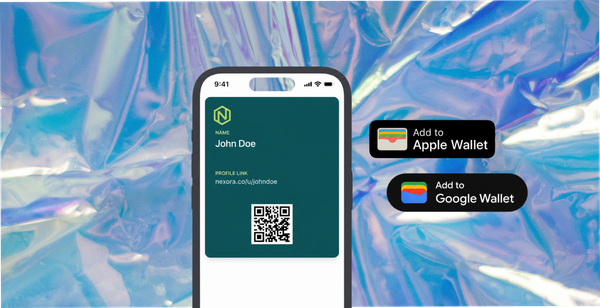
What it does: 82DASH handles three core functions in one platform. First, it collects photos and videos via QR code, NFC, or post-purchase links with explicit rights clearance built into the submission flow. Second, it collects form-based feedback - NPS surveys, custom questions, satisfaction ratings - without requiring content upload. Third, it delivers rewards via Apple Wallet or Google Wallet passes instantly or by threshold.
The platform works for physical venues (QR at checkout, on table tents, at the till) and online (post-purchase email links for delivery or takeaway orders, social media posts etc...).
What it does well: The combination is genuinely unusual. Most platforms do one thing - collection, or feedback, or reviews. 82DASH bundles content collection, rights clearance, structured feedback, and reward delivery into a single customer touchpoint. If you want customers to submit both photos and NPS feedback, and you want to reward them with an immediate digital pass, this is the most direct path.
The pricing is accessible for independent operators. The Starter plan at $50/month includes 200 image uploads, 200 form requests, Apple and Google Wallet rewards, and 2 campaigns per month. No app download required from customers - QR or link only.
What it doesn't cover: If you need comprehensive reputation management across review platforms, or if you're primarily focused on collecting written reviews rather than visual content, this isn't optimised for that. It's purpose-built for real customer content + feedback + reward, not for aggregating reviews from Google, Trustpilot, or elsewhere.
Who it's best for: Restaurant owners, hotel operators, and café chains who want to systematically collect guest photos, verify rights clearance, and reward participation - ideally in one flow. Particularly valuable if you're running paid ads and need to justify content rights.
Pricing: Starter $50/mo (200 image uploads, 200 form requests, 2 campaigns, Apple/Google Wallet reward), Growth $82/mo (400 image uploads, 200 video uploads, unlimited form requests, 8 campaigns, push notifications), Pro $120/mo (1000 images, 400 videos, unlimited campaigns, custom domain). 7-day free trial available.
Yotpo
What it does: Yotpo is a reviews and user-generated content platform with strong ecommerce roots but expanding hospitality presence. It collects reviews, photos tied to reviews, builds photo galleries, and handles SMS review requests.
What it does well: Yotpo is visually polished and has strong brand recognition in the UGC space. The photo gallery features are clean. If your primary goal is review aggregation with visual content attached, Yotpo's mobile-friendly review request flows are solid. The platform integrates with Shopify and Magento well.
What it doesn't cover: Rights clearance beyond implicit trust. Form-based feedback collection outside of reviews. Reward mechanisms beyond modest discounts. The pricing skews toward mid-market and enterprise, making it expensive for independent operators.
Who it's best for: Hospitality businesses primarily focused on review collection and want polished photo galleries alongside written testimonials. Better fit for online-first businesses or larger groups.
Pricing: Not publicly listed - typically enterprise sales model. Expect $200-1,000+ per month depending on scale.
Birdeye
What it does: Birdeye is a reputation management platform with strong multi-location capability. It aggregates reviews from Google, Trustpilot, Facebook, and others into one dashboard. It includes review request automation, feedback collection, and messaging features.
What it does well: If you operate multiple locations and need centralised control over your online reputation, Birdeye excels here. Review request automation is solid. The dashboard gives a real-time view of how you're perceived across platforms. Integration with major review sites is comprehensive.
What it doesn't cover: Customer content collection (photos, videos) in the way a dedicated platform does. It's reputation management, not content collection and monetisation.
Who it's best for: Multi-location hospitality operators, hotel groups, and chains who need reputation monitoring and review request automation across many venues. Less relevant for single-unit independents on a tight budget.
Pricing: Public pricing not listed. Enterprise sales model - expect $300-2,000+ per month depending on location count and feature tier.
Podium
What it does: Podium is a messaging and review platform focused on local service businesses. It combines SMS messaging, review requests (primarily to Google), and live webchat into one platform.
What it does well: SMS review requests are their forte - they've built genuine expertise in driving review submission via text. For local businesses trying to improve Google review volume and star rating, this is relatively efficient. The messaging functionality integrates well with local marketing workflows.
What it doesn't cover: Content collection (photos and videos) or structured feedback forms. It's review-focused, not content-focused. Rights clearance isn't part of the model.
Who it's best for: Hospitality businesses primarily concerned with driving Google reviews and need SMS integration for messaging. Less relevant if your goal is collecting visual content or structured feedback.
Pricing: Publicly listed starting around $100-300/month. Pricing scales with automation features.
Trustpilot
What it does: Trustpilot is a transparent review platform used by millions globally. Businesses collect reviews, customers see aggregated ratings, and Trustpilot maintains a directory function.
What it does well: Trustpilot is the most recognised review platform globally. Being listed there carries weight. The transparency model - customers control their reviews, businesses can't delete them - builds trust. If your customers already trust Trustpilot, collecting reviews there is a logical choice.
What it doesn't cover: Structured content collection (photos and videos submitted separately from reviews). Form-based feedback beyond written reviews. Rewards or incentives. POS integration. It's a review platform first.
Who it's best for: Hospitality businesses where your customer demographic actively uses and trusts Trustpilot. Hotels in particular often benefit from Trustpilot presence because many guests check it before booking.
Pricing: Free tier available (basic features). Premium plans start around $50-200/month depending on features and location count.
Loox
What it does: Loox specializes in photo reviews - customers submit photos alongside written reviews. It was built primarily for Shopify ecommerce but has expanded to hospitality use cases, particularly for venues with online ordering, delivery, or takeaway.
What it does well: If your hospitality business has a strong Shopify or ecommerce presence, Loox integrates tightly with that ecosystem. Photo review collection is streamlined. The mobile experience is clean.
What it doesn't cover: Form-based feedback outside of reviews. Structured surveys or NPS. Reward mechanisms. In-venue collection (QR codes, NFC). It's optimised for post-purchase email flows, not for point-of-sale.
Who it's best for: Restaurants or cafés with significant online ordering, delivery or takeaway volume who want to collect customer photos post-order via email. Less relevant for dine-in experiences or cash-based transactions.
Pricing: Pricing not publicly listed - typically enterprise sales or commission-based for Shopify apps.

Why Rights Clearance Matters More Than You'd Think
Here's a scenario that plays out in real time across hospitality businesses.
A guest photographs their meal and uploads it to your platform. You love the photo. You add it to your website homepage. Then you decide to run it in paid ads on Instagram.
Do you have the legal rights to do that?
Most platforms don't address this question at all. They collect content and assume the submitter implicitly grants permission. Legally, that's shaky ground. If you're running paid ads, you want explicit, written consent. Some platforms (including Yotpo and Podium) handle this loosely. Fewer make it non-negotiable.
This matters because:
- Paid ad performance is real revenue impact. Customer photos outperform brand content in paid ads. If you can't use them at scale, you lose the advantage.
- You could face legal risk. If a customer disputes your use of their photo, do you have documentation? A signed consent form? Most platforms don't provide this.
- It affects your confidence. If you're unsure whether you own the rights to content in your own system, you'll use it less.
A platform that bakes explicit rights capture into the submission flow removes this friction and risk. When a customer submits content, they're explicitly granting rights at that moment - documented, timestamped, in your system. That's the standard you should expect.
The Revenue Case: How Content Impacts Your Bottom Line
Every platform you evaluate should be assessed against a simple question: does this help me acquire customers more cheaply, convert more of the ones I have, and keep them coming back?
Acquisition: Authentic customer photos in paid ads reduce cost-per-click and improve click-through rate. If you can harvest 50-100 rights-cleared photos monthly and use them across seasonal campaigns, your ad spend efficiency improves measurably. That's the difference between profitable and unprofitable ad spend at scale.
Conversion: Customer photos on your website - on your booking page (for hotels), on your menu or takeaway ordering page (for restaurants), on your "meet the space" section (for cafés) - drive higher conversion. Combine that with collected feedback (reviews, ratings) and you're moving visitors to customers more efficiently.
Retention: A loyalty reward delivered via Apple Wallet or Google Wallet - a pass that entitles them to a discount or free item on their next visit - drives repeat behaviour. You're not just collecting content, you're earning permission to reach customers again.
The platform that handles all three - content collection, feedback, and reward delivery - multiplies the commercial effect.
How to Get Customers to Actually Submit Content
The best platform in the world sits idle if customers don't use it. Here's what moves the needle:
Make it physically present. QR codes at the table, on receipts, on the till - visible, easy. Link via email or SMS post-visit works but requires customers to remember.
Offer a clear, immediate reward. "Submit a photo and get 15% off your next visit" (delivered as a mobile pass) works better than "submit a photo and we might feature you on Instagram." Immediate beats aspirational.
Keep the submission flow short. One photo. One question maximum. If you need their email, ask it last. Three taps to submit is the ceiling.
Use it across your marketing. When customers see their photo on your website, or in a paid ad, or on your Instagram, they feel valued. They tell others. Submission rates increase.
Measure and share the results. "We've collected 500 photos from guests this month" signals to the next customer that others are doing this. It normalises participation.
asda
FAQs
What's the difference between a review platform and a content collection platform?
Review platforms aggregate written or star-based feedback from customers and typically syndicate it across multiple review sites (Google, Trustpilot, Facebook). Content collection platforms harvest photos, videos, and structured feedback directly from customers into your owned system.
A review platform excels if your goal is reputation monitoring and driving review volume. A content collection platform excels if your goal is to own visual content and use it in your own marketing (website, paid ads, email).
Many hospitality businesses benefit from both - a review platform for reputation management, a content platform for content creation.
Do I need rights clearance to use customer photos in ads?
Legally, yes. If you're running paid ads using customer photos, you want explicit written consent. Implicit consent (the assumption that uploading to your platform grants permission) is legally uncertain.
A platform that captures explicit consent during submission protects you. If a customer later disputes your use, you have documentation. If you're serious about using content in paid channels, this matters.
How do I get more customers to submit content?
Three levers work: visibility (make it obvious at point of sale), incentive (reward participation with something tangible), and social proof (show others that customers are doing this). The best platforms combine all three - QR code at the table, immediate digital reward on submission, and visible use of content on your website and social channels.
What's the best way to collect content from hospitality guests?
QR codes at point of sale (checkout, table tent, till) work best for dine-in venues. Post-purchase email links work for delivery and takeaway. The platform you choose should support both. Submission should take under 60 seconds total - one photo, optional comment, one form question maximum. Reward should be instant and visible in the customer's digital wallet (Apple Wallet or Google Wallet pass).
How much should I expect to pay for a customer content platform?
Independent operators can find solid tools starting at £50-80/month. Mid-market pricing (multi-location, enterprise features) typically runs £200-1000+/month. Before committing, validate that your team will actually use it and that the integration with your POS (if needed) is straightforward. The cheapest tool unused costs more than a higher-priced tool that becomes core workflow.
The Right Tool Depends on Your Priority
If your hospitality business needs to generate Google reviews and monitor reputation across review platforms, Birdeye or Podium are proven. If you need a widely recognised review destination where customers can share experiences, Trustpilot. If you operate primarily online with Shopify, Loox.
But if you need to systematically collect rights-cleared customer photos, ask for feedback alongside content, and reward customers with a digital pass in one integrated flow - if you want to use that content in paid ads without legal friction - the gap is narrower. Read our deeper guides on how restaurants can collect customer content and turn every hotel stay into authentic marketing for implementation specifics.
The strongest marketing strategy combines both approaches: a review platform for reputation, a content collection platform for content. But if you're starting with one, choose based on what your business is optimising for right now. The difference between collecting reviews and collecting content is the difference between managing perception and owning it.