Restaurant Loyalty Platforms with Apple and Google Wallet Integration: Compared
Loyalty apps see 10 to 20% adoption, paper punch cards go unredeemed, and wallet passes skip the download entirely. Here is how to compare restaurant loyalty platforms with wallet integration.
Restaurant loyalty has an adoption problem that nobody in the category likes discussing. Roughly two thirds of restaurants now run some form of loyalty programme, and a large majority of those programmes underperform, usually for the same handful of reasons: the rules are too complicated, the reward takes too long to earn, the staff were never trained on it, and the mechanism requires the customer to do something they will not do.
That last point is where digital wallet integration changes the maths. A loyalty programme that lives in Apple Wallet or Google Wallet skips the app download entirely, which removes the single biggest point of failure.
This guide compares the types of platform available, sets out what to check before choosing, and covers what wallet integration does and does not solve.
From r/restaurantowners: "Yes, the best loyalty is a good product. But with that said if you want data on how YOUR guests behave around your food, what type of demographics you appeal to as well as a treasure trove of other useful data, loyalty programs absolutely can be beneficial."
Both halves of that are right, and the second half is the part platform comparisons usually miss. The reward is what gets a guest to accept the card. What the card is actually worth to you is the connection it creates afterwards: who your regulars are, how often they return, and whether you can reach them at all once they have left.
That reframes the platform question. The realistic options for most independent restaurants are paper, an app, or a wallet pass, and each fails differently.
Why Wallet Beats Both Apps and Paper
Apps. Standalone restaurant loyalty apps typically see adoption in the 10 to 20% range for independents. The customer has to find it, download it, create an account, and remember to open it. Each step loses people. For a chain with hundreds of locations the economics can still work. For a single site or a small group, they rarely do.
Paper punch cards. Cheap and immediately understandable, which is why they persist. The failure mode is that a large share are never redeemed, industry estimates commonly put this near half, because the card is lost, forgotten, or left in a coat pocket. A card the customer cannot find is a card that generates no return visit.
Wallet passes. Reported adoption rates for wallet-based loyalty sit far above app adoption, generally in the 60 to 75% range in vendor data. Treat the specific figures cautiously, since most come from platforms selling the category, but the mechanism explains the direction: adding a pass is one tap, there is no account creation, and the card cannot be lost because it lives next to the customer's payment cards.
The other structural advantage is notification. A wallet pass can push to the lock screen. A paper card cannot, and an app can only if the customer both installed it and left notifications on.
What to Look for in a Platform
The category is crowded and the differences that matter are not always the ones vendors lead with.
Both Apple and Google. Some platforms handle Apple Wallet well and treat Google Wallet as an afterthought. Roughly half your customers are on Android. Check that both are genuinely supported rather than nominally listed.
POS integration. This is the practical make-or-break. If staff have to manually record a stamp on a tablet while a queue forms, the programme will quietly stop being used. Check integration with your actual POS, whether that is Toast, Square, Lightspeed, or something else, and confirm it is a real integration rather than a Zapier workaround.
Enrolment mechanism. How does a customer get the pass? QR code on the table, on the receipt, on a window sticker, or an NFC tap. The friction here determines adoption more than any feature on the comparison page.
Push notification controls. Segmentation, scheduling, and frequency limits. A platform that only allows broadcast messaging to everyone with a pass will burn the channel within a few months.
Pricing structure. Per location, per pass, per notification, or flat. Per-pass pricing looks cheap at launch and becomes expensive precisely when the programme succeeds.
What happens beyond stamps. Most platforms in this category do loyalty and nothing else. Whether that matters depends on what you want from the channel, which is worth deciding before you shortlist.
The Reward Structure Question
Before choosing a platform it is worth deciding what the programme actually rewards, because this is where most restaurant loyalty fails and no software fixes it.
The points problem. Points and tiers were borrowed from airlines and grocery, where purchase frequency is high enough to make accumulation meaningful. A customer who visits a restaurant once a month will not accumulate enough to feel rewarded before they forget the programme exists. Complexity gets added, friction goes up, and the behaviour does not change.
What works better for most independents. A simple, visible, short-cycle reward. Buy nine, get the tenth. Something achievable within a few visits, where progress is legible at a glance on the pass.
The visit frequency reality. If your customers visit weekly, a stamp card works. If they visit twice a year, no loyalty structure will change that, and the value of the pass is the communication channel rather than the reward mechanic.
That last case is worth sitting with. For a restaurant with infrequent visitors, the pass is not really a loyalty card. It is a way of staying in contact with someone who otherwise disappears after they leave, and the reward is the reason they accept it.
What Wallet Loyalty Does Not Fix
Being straightforward about the limits saves money.
It does not fix a staff training problem. If the team does not mention the programme, adoption stays low regardless of the technology. The single highest-impact variable in most restaurant loyalty programmes is whether staff bring it up at the counter.
It does not fix a bad reward. A poorly judged offer delivered efficiently is still a poorly judged offer.
It does not create frequency where there is none. A destination restaurant visited twice a year will not become a weekly habit because of a digital card.
It does not automatically give you customer content. This is a distinction most operators do not notice until later. A loyalty pass tracks visits. It does not, by itself, collect the photos, videos, and reviews that most restaurants actually need for marketing.
The Content Gap
Most restaurants have the same marketing problem, and it is not loyalty.
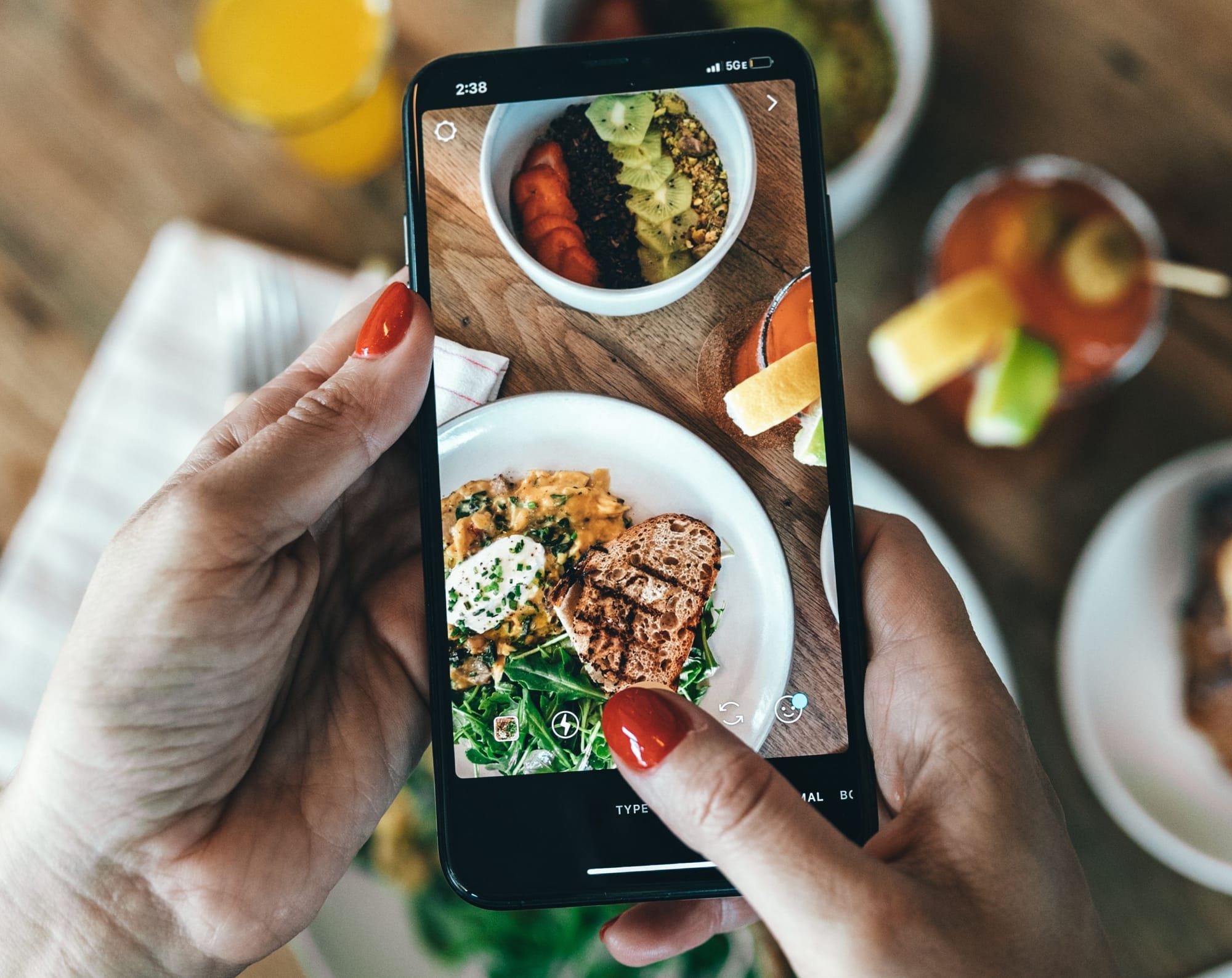
They need a steady supply of images and video showing real people enjoying the food, in the room, at the table. What they usually have is a professional shoot from two years ago and whatever the guests happened to post publicly.
The public content route has a structural ceiling. Guests who post are a minority, and their content belongs to them rather than to the restaurant, which means using it in a paid campaign is a rights question rather than a repost. Around 79% of customers willing to share content will not do it publicly at all.
A wallet pass is the natural mechanism for closing that gap, because the pass is already on the phone and the reward structure already exists. The question is whether the platform issuing the pass can also collect content, or only stamps.
How 82DASH Approaches This
82DASH is a customer content platform rather than a loyalty platform. It collects rights-cleared photos, videos, feedback, and reviews from real customers, and uses wallet passes as the reward and communication layer.
For a restaurant the flow is straightforward. A QR code on the table, the receipt, or an NFC tag prompts the guest to share a photo, a short video, or feedback. Rights clearance is captured at the point of submission, so the content can run in paid social rather than only being reposted. The reward arrives as a pass in Apple Wallet or Google Wallet, and that pass becomes the channel for the next request.
The result is a system doing two jobs at once. The guest has a reason to return, and the restaurant has a growing library of real content from real guests that it holds the rights to use. Feedback collection, including NPS, runs through the same flow, which means service issues surface before they become public reviews.
It works alongside a dedicated loyalty platform rather than replacing one. If you need complex tier management, a loyalty specialist will do that better. If what you need is content and a direct channel, with a simple reward attached, this is the shape that fits.
For restaurants on Lightspeed or Square, the integration handles the transaction side. For everyone else the QR and NFC flow works without touching the POS.
Making the Decision
A practical order of operations.
Start with the reward, not the platform. Decide what a guest earns and how quickly, based on how often they realistically visit.
Then check POS integration against your actual system, and confirm both Apple and Google Wallet are properly supported.
Then decide whether you want loyalty only, or loyalty plus content collection. This determines which category of platform to shortlist and is much harder to change later.
Then check pricing at the volume you would have if the programme worked, not at launch volume.
And whichever platform you choose, train the staff. It remains the variable with the largest effect on whether any of this produces a return.
Isabelle Simon is Communications Lead at 82DASH.
Frequently Asked Questions
Do restaurant loyalty wallet passes work on both iPhone and Android?
They should. Apple Wallet covers iOS and Google Wallet covers Android, and any serious platform supports both. Some vendors treat Google Wallet as secondary, so confirm rather than assume, given roughly half your guests will be on Android.
How does a guest add a loyalty pass without downloading an app?
They scan a QR code or tap an NFC tag, and the pass is added to the wallet software already built into their phone. There is no download and no account creation, which is why adoption is substantially higher than for standalone loyalty apps.
Can a wallet loyalty pass collect photos and reviews from guests?
Only if the platform is built for it. Most loyalty platforms track visits and stamps and nothing more. Content collection with rights clearance is a different function, and worth deciding on before choosing a platform.
Can a small business run an Apple or Google Wallet loyalty card?
Yes, and the economics suit small operators better than large ones. A wallet loyalty card needs no app build and no development work, so a single site or small group can run one at a cost that would never justify a custom app. Both Apple Wallet and Google Wallet support this through platform providers rather than direct integration.
Why do most restaurant loyalty programmes fail?
Usually four reasons: rules that are too complicated, rewards that take too long to earn, staff who were never trained to mention it, and a mechanism that requires an app download. Wallet integration addresses the last one, and the other three remain operational problems.
Further Reading
- Apple Wallet: loyalty and membership pass documentation
- Google Wallet: pass platform for loyalty programmes
- National Restaurant Association: industry data on loyalty programme adoption
- Toast: restaurant POS platform and integration documentation
- Square: POS and loyalty integration resources