cgc
Customer Content vs Studio Shoots: The Real Cost and ROI Comparison
Studio photography costs $25 to $250 per image before hidden costs. Customer content costs a reward. Here is where each one actually performs and how to split the budget.
cgc
The creator economy is worth $250 billion and its returns are flattening. A second model is forming alongside it: pay the customers who already bought. Here is how the approaches differ and which fits what.
apple-wallet
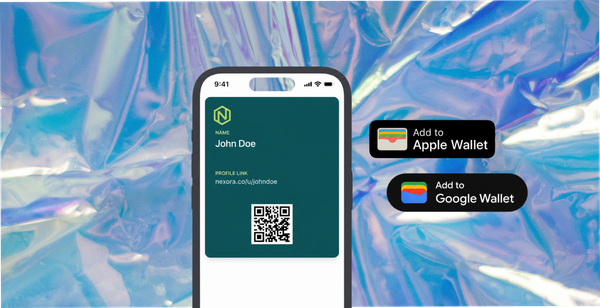
Your best customers are identifiable in the data but unreachable in practice. A superfan wallet pass gives them a card in their pocket and gives you a direct channel nobody else controls.
apple-wallet
Wallet pass notifications reach customers on the lock screen without an app install or email deliverability problem. Here is how the channel works, what it is good for, and how to build a programme without losing your audience.
restaurants
Loyalty apps see 10 to 20% adoption, paper punch cards go unredeemed, and wallet passes skip the download entirely. Here is how to compare restaurant loyalty platforms with wallet integration.
shopify
Most UGC advice assumes you already have customers. Here is how to run a content campaign with 60 orders, and why small stores get higher contribution rates than large ones.
Content Marketing
Shopify content marketing doesn't have to mean producing everything yourself. Here's how to build a strategy around customer content that compounds over time.
shopify
Most Yotpo alternatives replace the review part. If what you actually need is a customer content library for ads and email, that's a different tool entirely.
apple-wallet
You don't need a development team to issue Apple Wallet and Google Wallet passes. Here's what wallet pass SaaS platforms actually do, and how to choose the right one.
shopify
Fairing is great for post-purchase surveys. If you also need customer photos, rights-cleared content, and a reward layer, here's what to use instead, or alongside it.
Events produce great content moments. Here's how to build a capture system that turns every event into a library of rights-cleared customer content, before, during, and after.
The economics of most Shopify stores depend on what happens after the first order. Here is what the post-purchase window offers, which channels drive repeat purchases, and how loyalty and content collection work as retention mechanics.
Apple Wallet loyalty cards install in one tap, require no app download, and reach almost every cardholder with push notifications. Here is how to connect them to your Shopify store.
Organic UGC and paid UGC are not the same thing. They perform differently, cost differently, and serve different purposes. Here is how to run both in parallel - and what each one is actually for.
Email open rates for Shopify brands sit at around 20%. Wallet pass push notifications reach approximately 99% of cardholders - no app download required. Here is how to set them up.
Asking customers for content once, manually, is a campaign. A flow that runs on every order cohort, at the right moment, with automatic reward delivery is a content library. Here is how to build one.
A genuine reward changes review and UGC response rates from 1-3% to 15-30%. Here is what you are allowed to offer, how much to pay, and why delivery format matters more than most brands realise.
Customer photos outperform brand creative in Meta ads - but most brands can't collect enough of them, and the ones they do collect arrive without the rights documentation needed to run them commercially. Here is how to fix both.
A discount code in a DM creates no lasting connection between a brand and the creator promoting it. A wallet pass does. Here is how brands use wallet passes to run ambassador programmes, deliver creator rewards, and keep their influencer network engaged without the operational overhead.
As AI-generated content floods every channel, human generated data - the authentic record of real customers having real experiences - is becoming scarcer and more valuable. Here is what it is, why it matters, and how brands collect it systematically.
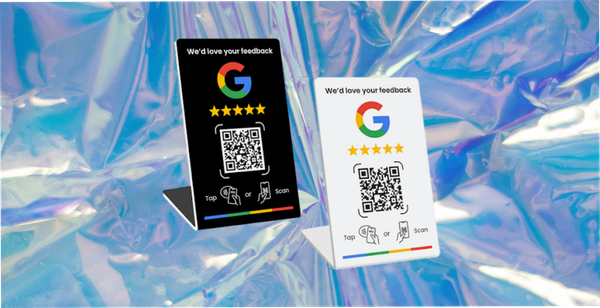
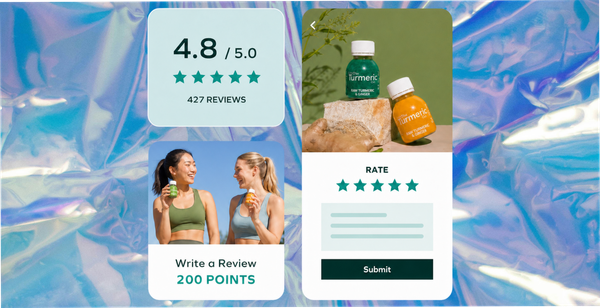
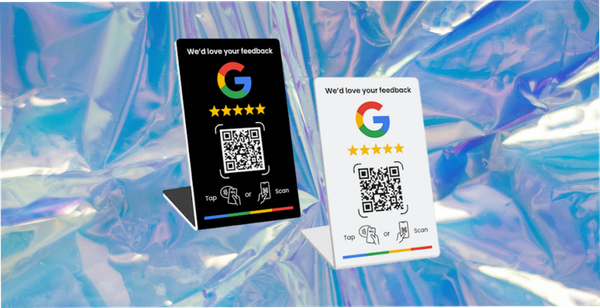
Most brands capture a fraction of the reviews available to them - not because customers won't write them, but because the ask is wrong. Here is what the right timing, prompt, and incentive look like.
The bottleneck in most customer content programmes is not the product or the audience - it is the request. Here is what a content brief that actually generates submissions looks like, and why "share your experience" produces almost nothing.