NFC Tap-to-Wallet: How Cafés and Restaurants Are Replacing Paper Loyalty Cards
Paper stamp cards live in drawers. NFC tap-to-wallet loyalty cards live on phones. Here's why cafés and restaurants are making the switch.
You've seen the stamp card. You've probably given out thousands of them.
The little card that lives in a wallet behind seven other little cards. The one that gets stamped five times and then sits forgotten in a kitchen drawer for three years. The one that can't tell you anything about who's holding it, when they last visited, or whether they're ever coming back.
Paper loyalty cards had a good run. They've had their time. And for most of the hospitality businesses that still use them, they're delivering a fraction of the results they should be - because the technology that replaced them is already in your customers' pockets.
The contactless shift is already here
Your customers are already tapping. They're not reaching for cards at the till any more - they're holding up their phone.
67% of all transactions in the UK are now contactless. In the US, NFC-based contactless payments represent around 58-65% of in-store digital transactions. Globally, 71% of consumers now prefer contactless payments over traditional methods - up from 62% in 2022. And by the end of 2025, an estimated 78% of smartphone users globally will have at least one digital wallet installed.
The behaviour is already there. The infrastructure is already there. The only question is whether your loyalty programme has caught up with the way your customers actually use their phones.
What NFC tap-to-wallet actually means for a café
Here's the mechanic, simply.
Near Field Communication - NFC - is the same technology your customer uses to pay with their phone. An NFC tag is a small chip, about the size of a coin, that can be embedded in a card, a sticker, or a countertop display. When a customer holds their phone near it, it triggers an action instantly.
For a loyalty programme, that action is simple: the loyalty pass opens on their screen. They tap to save it to their Apple or Google Wallet. Done. No app download. No account creation. No friction.
Compare that to the paper stamp card experience: they hand you a piece of card, you stamp it, you hand it back, it goes into their bag, they forget about it, and you've gained nothing except a slightly worn card that might resurface in six months.
The NFC tap gives you a loyalty relationship in ten seconds. The paper stamp gives you a square of card that lives in a drawer.
The stamp card is the beginning, not the point
Here's where most digital loyalty implementations miss the opportunity.
They digitise the stamp card and stop there. Ten taps equals a free drink - same mechanic, just on a phone screen instead of a piece of paper. That's an improvement, but it's not the transformation.
The transformation is what you can do once the card is in their wallet.
Push notifications. Once a customer saves your wallet pass, you can send messages directly to their lock screen. A quiet Tuesday offer. A new seasonal menu. A "you're two stamps away from a free coffee" nudge at exactly the right moment. No email open rate to worry about. No algorithm deciding whether they see it. Direct, immediate, and at zero cost.
Real-time updates. The card in their wallet reflects the actual state of their loyalty account. Stamps appear automatically. Rewards upgrade when they're earned. You can change the offer on the card remotely without them needing to do anything - useful for seasonal promotions or limited-time incentives.
Content collection in the same moment. An NFC tap that saves a loyalty card can also prompt a customer to submit a photo or short review as part of the process. One interaction at the counter - content submitted, loyalty pass saved, direct channel opened. Three outcomes from a single tap.
Why this matters commercially
70% of global consumers prefer wallets that integrate loyalty and rewards programmes. That preference is already expressed in the way they pay - they want the loyalty programme to be in the same place as their payment card.
The café that gives them that - friction-free, on their phone, in the wallet they already use - wins the repeat visit over the café that hands them a paper card that will probably end up in the bin.
Real customer content also matters here. 85% of consumers say they turn to visual content from real people over branded alternatives when making decisions about where to go. An NFC collection point that captures a quick photo from a happy customer - the morning coffee, the favourite corner table - builds the content library that paper loyalty cards never could.
Loyal customers don't just come back more often. They spend significantly more per visit than new customers and refer others at a higher rate. The loyalty programme pays for itself many times over - but only if people actually use it. The ones that live on a phone get used. The ones that live in a drawer don't.
What it looks like in practice
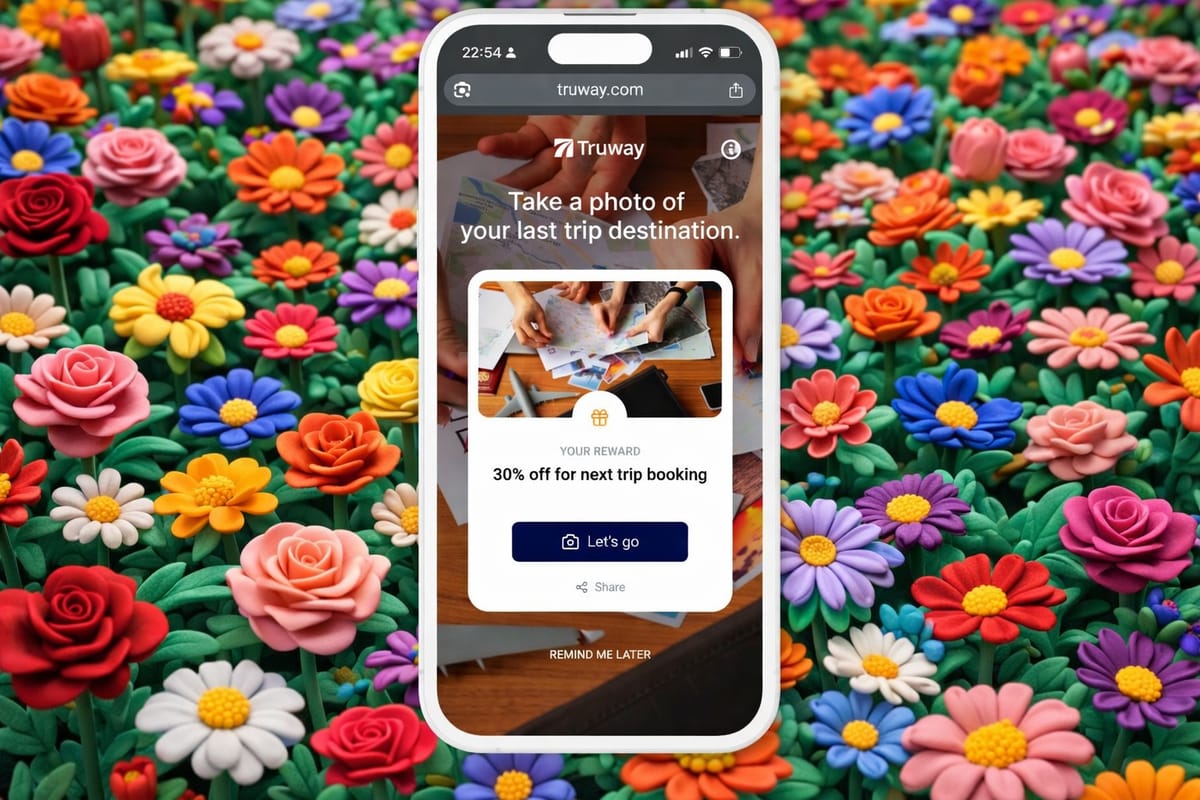
A small café group adds an NFC tag to their counter display and a QR code to every receipt - covering customers who tap and customers who scan. Either path opens the same branded page. The customer submits a quick photo of their order. Instantly, a digital stamp card appears in their Apple or Google Wallet.
Ten stamps later, they get a free drink. But long before they get there, the café has been sending them Tuesday morning offers, new menu notifications, and occasional "we haven't seen you in a while" nudges. The stamp card is the beginning of the relationship, not the end of it.
The paper stamp card never could do any of that.
Where 82DASH fits in
82DASH gives cafés and restaurants NFC-enabled collection points, QR codes, and branded wallet pass delivery - all without a developer or a complex technical setup. A customer taps or scans. They submit a photo or review. Their loyalty card lands on their phone. The push notification channel is live from that moment.
Content collected. Loyalty started. Direct channel opened. One interaction.
No paper. No drawer. No forgotten card.
The stamp card had a good run. Your customers' phones are ready to replace it.
Isabelle Simon - Communications Lead - 82DASH
Further Reading
- Google & Apple Wallet Passes for Restaurants: The Complete Guide - 82DASH Blog
- How to Create a Digital Loyalty Card for Your Hotel or Resort - 82DASH Blog
- How to Use Wallet Passes to Collect Customer Content After Every Visit - 82DASH Blog
- NFC Payment Statistics 2025 - CoinLaw
- Loyalty Cards in Apple & Google Wallet - Badge
- UGC Statistics - inBeat Agency
- Customer Retention Statistics 2025 - ThinkImpact
Further Watching
- r/cafe - Reddit Community - independent café operators sharing what works for repeat business and loyalty
- r/restaurantowners - Reddit Community - discussions on what loyalty programmes actually drive repeat visits
- NFC Loyalty Cards YouTube Search - practical setup guides for NFC wallet passes in hospitality